What Is the Difference Between a Licensed Plumber and a Handyman?

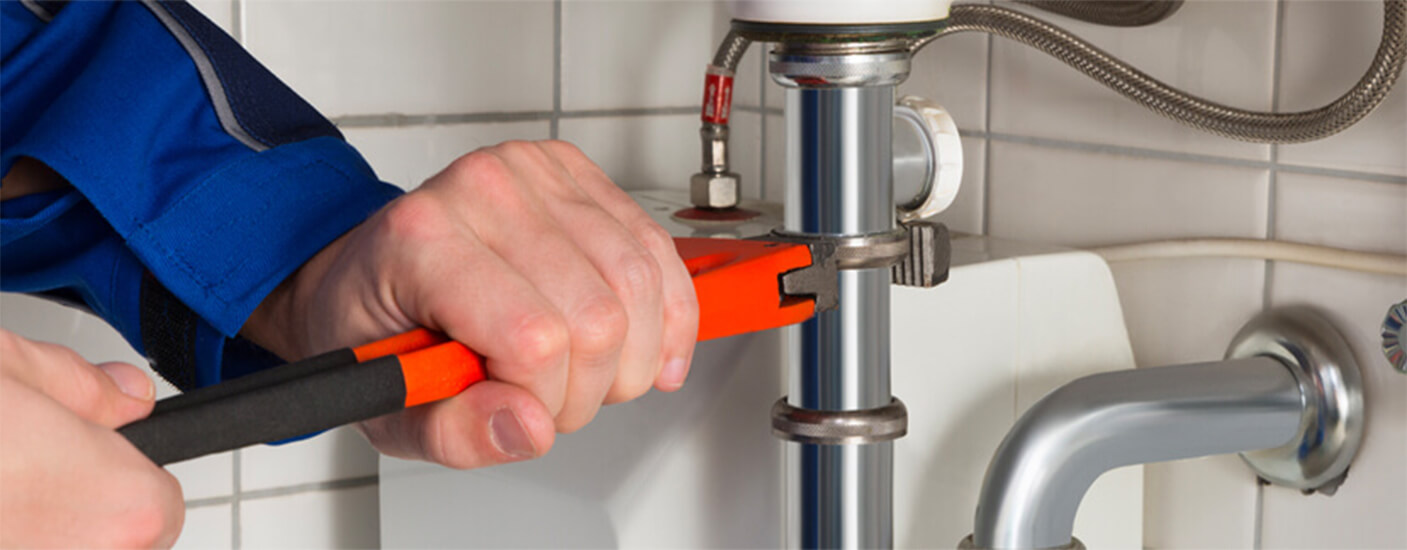
Plumber using an adjustable wrench on a pipe under a sink, emphasizing plumbing maintenance and repairs.

It is essential for property owners to connect with both licensed plumbers and handymen. When maintenance issues arise, they need to be taken care of quickly. However, different jobs require different technicians. Certain jobs may not be suitable for a handyman. Read on for more differences between plumbers and handymen.

Licensed Plumbers Are Certified

Almost all states require certification for plumbers. This ensures that the worker is knowledgeable in their field and can perform the tasks safely. Hiring a certified plumber gives you peace of mind that they really know what they’re doing.

A Handyman Performs a Variety of Jobs

While plumbers work on a very specific aspect of your home, the plumbing system, a handyman works on many different parts of the home. This includes general lawn maintenance, small appliance repairs, and exterior repairs, for example. However, their knowledge tends to be limited when it comes to larger or more complicated issues with plumbing.

Licensed Plumbers Have a Higher Cost

A final major difference is the cost of services. Because of a plumber’s depth of expertise and professional licensure, their cost tends to be higher than that of a handyman. You pay more for peace of mind and a job done right.

A licensed plumber and a handyman are better suited for different jobs. Find a plumber who is best for your home’s needs.

Why You Need a Water Softener in Your Arizona Home

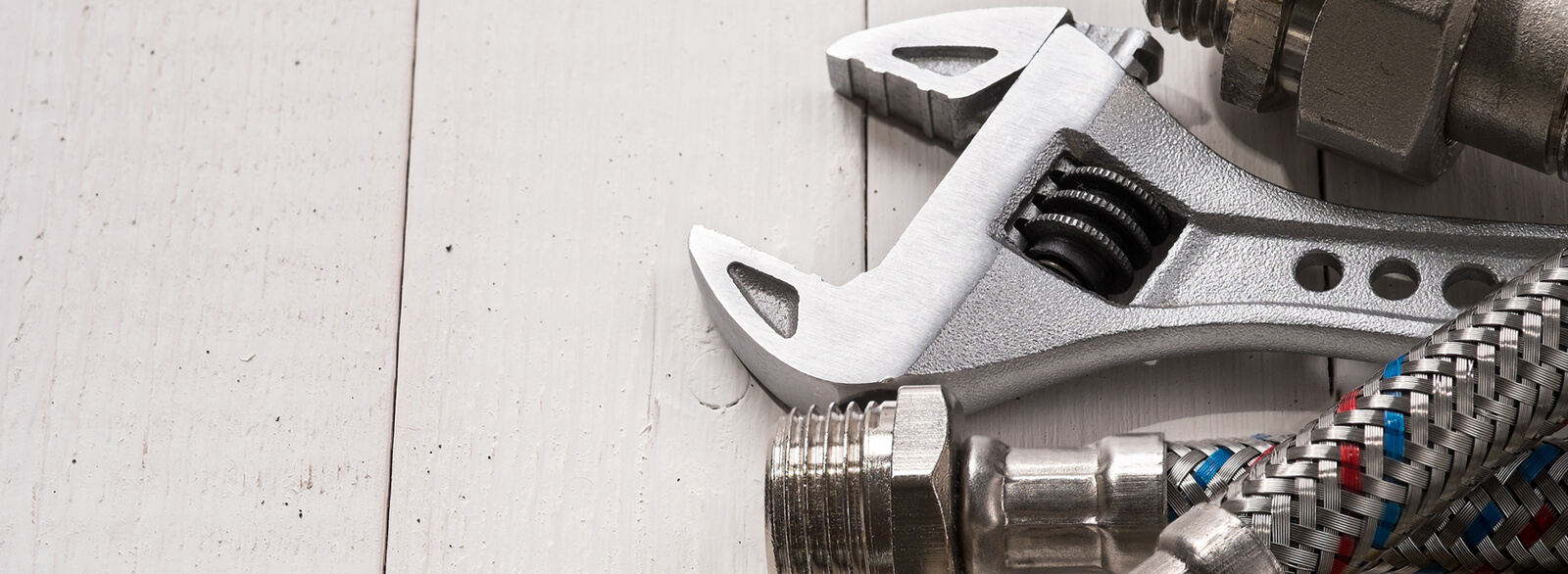
Plumbing tools including a wrench and metal fittings on a wooden surface, relevant to water softener installation in Arizona homes.

Whether you’re new to Arizona or have lived here for years, you might not worry too much about our hard water. It may seem harmless at first, but hard water can lead to expensive and bothersome issues over time. Let’s look at the causes of hard water in Arizona and how water softeners may help.

Why Do So Many People Have Water Softeners in Arizona?

Because we get so little rain here in Arizona, the Colorado River and underground aquifers are our main water sources. As water comes into contact with the calcium carbonate-rich land, the water picks this and other minerals up, creating hard water.

How Can a Water Softener Benefit Me?

Water softeners dramatically reduce the harmful mineral levels in your water and offer many benefits in the process, such as:

  • Extended life of your water heater, dishwasher, and other appliances
  • Lower energy bills and fewer plumbing repairs
  • Improved skin and hair texture
  • Reduced spots, streaks, and buildup on dishes, sinks, showers, and bathtubs
  • Longer life of clothing

Second Opinion Plumbing Installs Water Softeners!

As full-service plumbers living in and serving the entire Phoenix valley, we know a thing or two about the benefits of water softeners. We offer quality products and installation services at prices lower than our competition. To experience the Second Opinion Plumbing difference, call us today at (480) 365-9555 or send us a message online to schedule a free consultation.

How To Properly Unclog a Drain With a Licensed Plumber

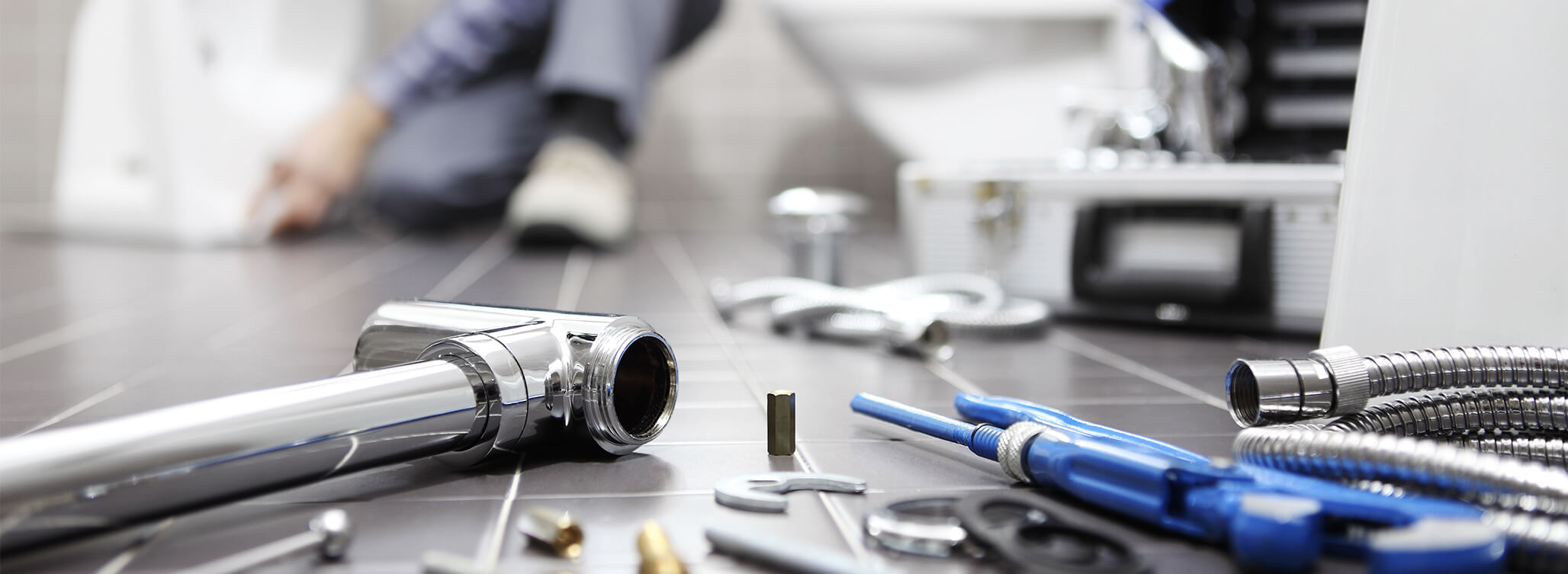
Plumbing tools and equipment on the floor with a plumber working in the background, emphasizing the importance of hiring experienced plumbers for quality service.

While you may be tempted to use a chemical drain cleaning option to get rid of that annoying clog or speed up a slow drain, it’s not the best or safest method for maintaining your pipes or your health. You can try a hand-crank snake or sink plunger, but tough clogs might prove impossible to remove, and, more importantly, neither of these options is a long-term solution to the problem.

Professional Drain Cleaning Methods

A trained plumber uses various techniques to attack clogs and grime in drains. One approach, hydro-jetting, cleans the inside of your drainpipe while it destroys any existing clogs. Your plumber inserts a hose with a 360° directional nozzle to blast high-pressure water through the pipe, clearing away any debris that could cause clogs later.

Your plumber might also use a motorized drain auger to power through difficult clogs. Similar to a drain snake (in fact, you’ll hear them referred to as “motorized drain snakes”) are powerful versions of the familiar tool. The long metal coil, operated by a motor, drills down to and breaks up the clog.

For the fastest and longest-lasting drain cleaning services, it’s always best to contact the licensed plumbers at Second Opinion Plumbing for a free estimate. They’ll help you eliminate the debris interfering with your drains’ operation and get everything running smoothly again.

The 3 Most Common Reasons For Your Expensive Water Bill

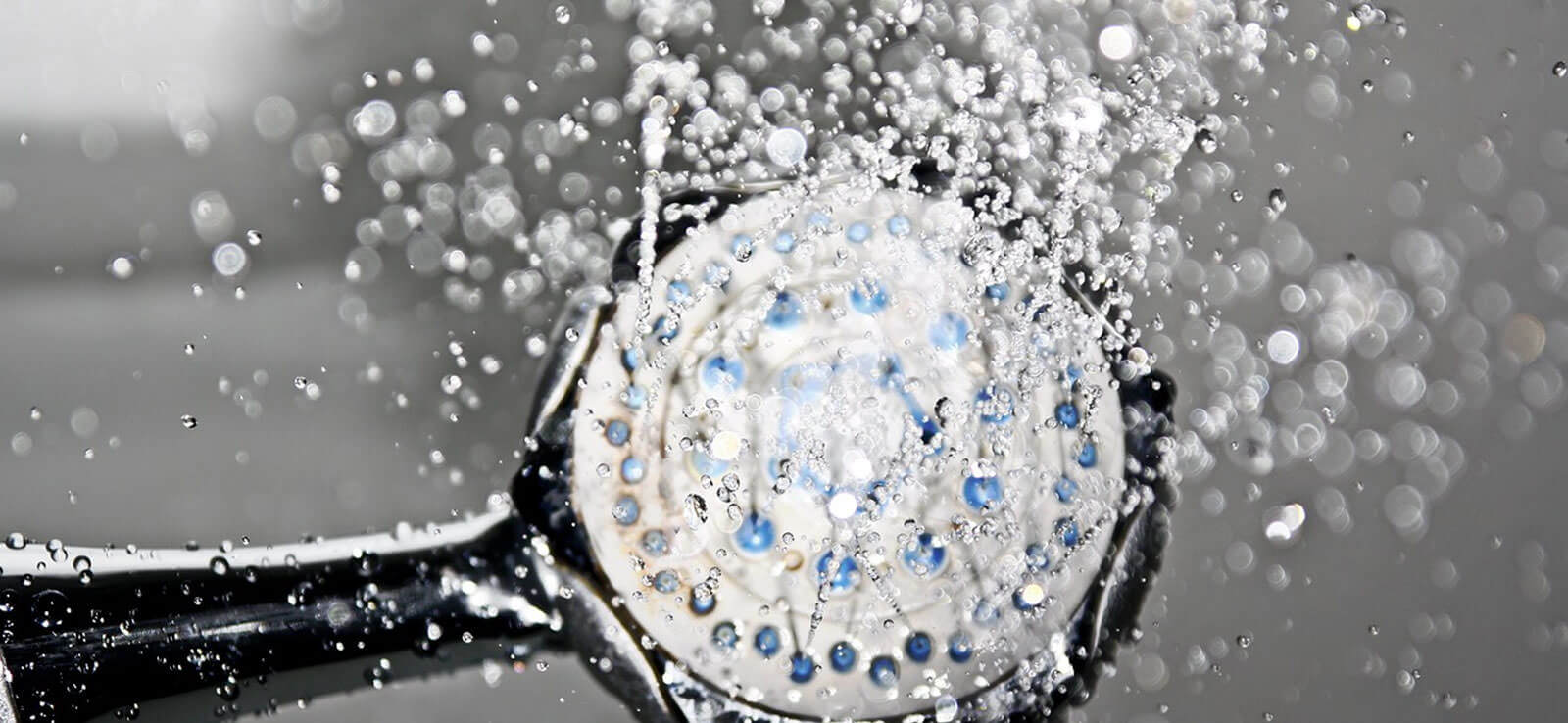
Showerhead with water spraying, illustrating the benefits of water softeners in reducing hard water issues.

When you get your mail and open up your water bill, you may feel shocked at the amount you owe. If you notice a sudden jump in what you are paying for water, you could wonder if there is another explanation, such as a water leak.

Top Reasons For a Higher Water Bill

Different Seasons and Temperatures

When the season changes and the air around your house heats up or cools down, you may naturally use more water for growing plants or taking warm showers. Due to this, your water bill could change several times throughout the year.

Potential Leaks

Struggling with a rising bill and no sign of any other changes? You could have a water leak or hairline crack in your toilet that causes your bill to increase even when you are not actively using water. A steadily dripping faucet can lead to massive amounts of wasted water if it continues to drip while you are out of the house and unaware of a water leak.

Changing Habits

Getting a new houseguest or changing your daily schedule can lead to a surprising amount of differences in how you use water. Whether that means you take more showers or use your washing machine more often, being aware of your habits can help you figure out why your bill is different.

Contact Second Opinion Plumbing for more information about what to do after a leak.

Properly Securing a Toilet Is Crucial in a Second Story Home

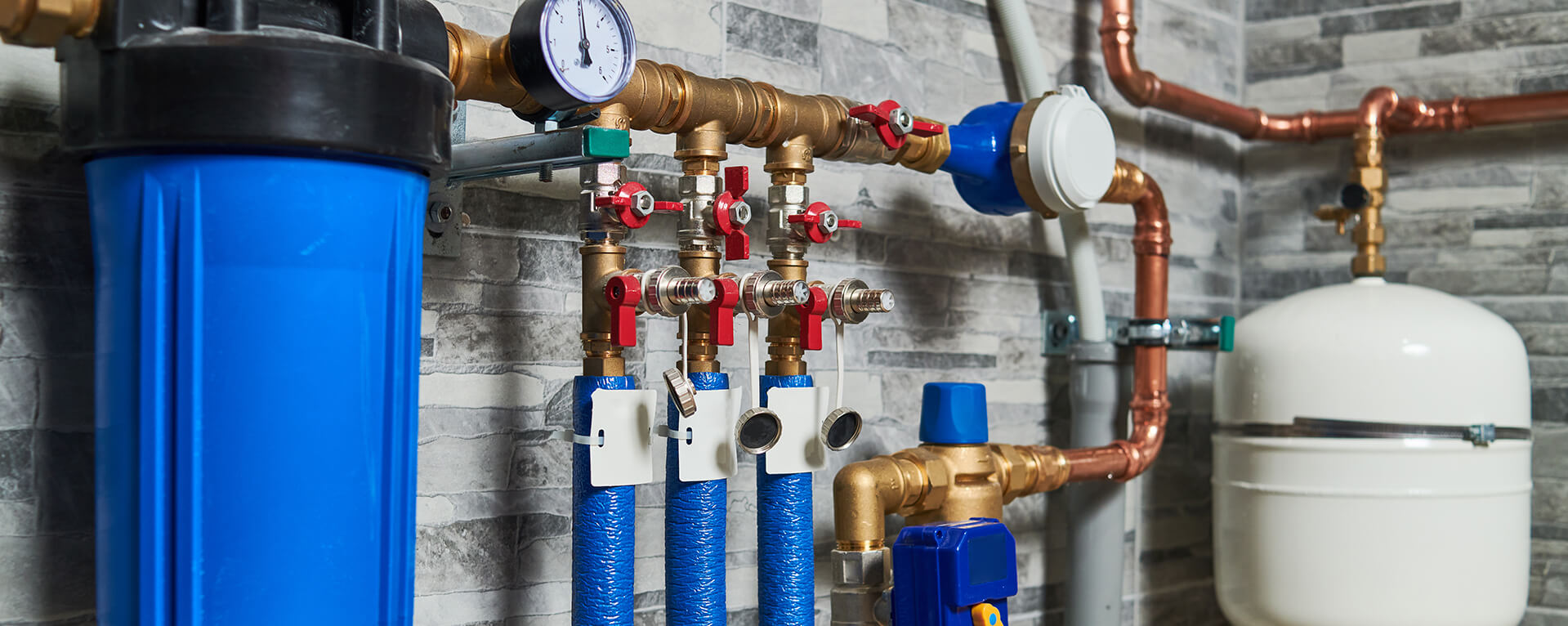
Plumbing system components including blue water filters, pressure gauge, and copper pipes, illustrating proper installation for preventing leaks in homes.

Homeowners need to take every reasonable precaution to prevent plumbing issues that can lead to major damage. Improper toilet installation is one of the most common causes of preventable damage. Taking steps to avoid this type of problem is especially important if it would foreseeably cause damage to a residence below yours and make you incur costly liability.

What Happens After Improper Installation?

If a toilet is not correctly tied into a drain line, every flush will cause it to leak waste water. Toilet installation that does not create a secure seal to the floor can also cause leaks. Also, a wobbly toilet can degrade the wax ring that should be forming a seal and end up making a slow leak.

What Are the Consequences of Second Story Toilet Leaks?

If you do not see evidence of a leak on your bathroom floor, the water may be running directly into the ceiling of the unit below yours. Either gradually or suddenly, enough water will saturate the drywall to make it buckle and fall. In fact, extensive structural damage from a slow leak could cause a toilet to fall through the floor.

Contact Second Opinion Plumbing for professional assistance with your second floor toilet installation. Our experienced plumbers can help with new installations and replacements, preventive maintenance, or active leaks.

Why You Should Leave the Plumbing Work to the Professionals

Plumbing tools and equipment on the floor with a plumber working in the background, emphasizing the importance of hiring experienced plumbers for quality service.

Doing your own household repairs can be satisfying, but there are some tasks you shouldn’t try to do yourself. Work that requires expertise, such as plumbing, should be left to professionals for good reason. Here are a few of the reasons why you should reach out to local plumbers when you experience issues with your home’s plumbing system.

Benefits of Calling a Professional Plumber

Professional-Grade Equipment

One significant reason to rely on the services of a plumber is that they have access to professional-grade equipment. A plumber has hydrojet equipment, drain snakes and even pipeline camera systems. Many of these items would be cost-prohibitive to acquire personally.

Vast Experience

Another reason to call a professional is the vast experience that a plumber brings to the job. While you may have to spend hours tracing a problem to determine its cause, a plumber can often evaluate the symptoms and pinpoint the issue simply from experience. This can save you a lot of time and effort while ensuring that the problem is fixed quickly.

Cost Savings

Calling professional plumbers from the start can save you needless expenses as a result of errors, additional broken components, and complications that may arise due to your lack of experience with plumbing repairs.

Contact Second Opinion for free estimates and expert workmanship!

Getting Rid of Hard Water With a Water Softener

Showerhead with water spraying, illustrating the benefits of water softeners in reducing hard water issues.

Hard water is damaging to your plumbing, your appliances, your clothes and even your skin. If you struggle with hard water deposits in your home, you might consider looking into water softeners. A water softener can reduce the mineral content in your water to prevent deposits and residual damage, but you need to get the right one.

Have Your Water Tested

Before you choose a water softener, have your water tested to determine what minerals you’re dealing with and in what concentration. That way, you can select a softener that’s sufficient.

Consider Softener Capacity

You also need to consider how much water you use at any one time in your house. Your family’s routine water demand will also determine which water softeners you should consider based on the flow rate and capacity. Make sure you choose a softener that can keep up.

Understand the Maintenance

When you invest in a water softener, you have to maintain the system. For example, an ion exchange softener needs salt added periodically and most systems will also need to be flushed or cleaned on a regular basis. Make sure you know how much care and maintenance your softener will need.

If you’re ready to say goodbye to your home’s hard water troubles, visit Second Opinion Plumbing for more information about residential water softeners.

Why One Plumbing Quote May Not Be Enough

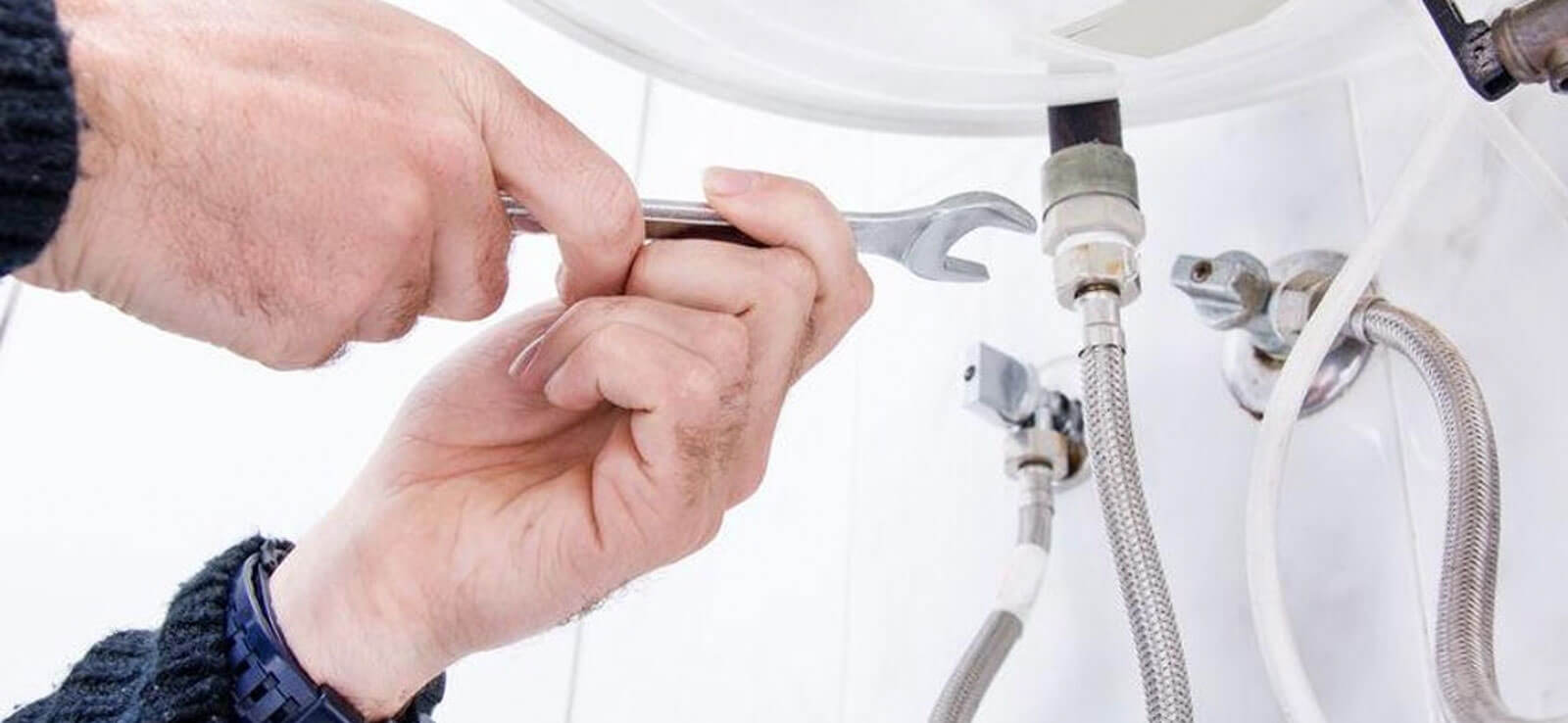
Plumber using a wrench to repair water supply connections under a sink, emphasizing plumbing expertise and maintenance.

In theory, two qualified plumbers would approach your plumbing problem in a similar way and charge a similar price. In reality, there are some very good reasons why it’s not always a good idea to assume plumbers are all the same and just go with the first quote you get.

Reputation and Professionalism

The truth is that not all plumbing firms are created equally, and it isn’t always easy for you as a homeowner to know which ones to trust. Your first step is to ask if any of your friends and neighbors know anything—good or bad—about the plumber quoting your job. If you can’t find much information on them, getting a second opinion on your plumbing is strongly advised.

Apart from what you’ve heard about a plumber, pay attention to what your own eyes and ears tell you. Do they look and act professional? Do they guarantee their work? If you can’t give a firm “yes” to these questions, that’s reason enough to seek a second opinion from a different firm.

Avoiding Scams and “Fly-By-Nights”

Too many homeowners get taken in by plumbers who are either not what they pretend to be or are just too inexperienced to be relied on for big jobs. You know you need a second opinion whenever you see these red flags:

  • Personnel and vehicles look unprofessional or poorly equipped
  • Shows no consideration for your time and money
  • The price seems really high for the amount of work
  • Won’t give you a detailed estimate

Your home and your budget deserve respect. If you need a second opinion on your plumbing project, contact Second Opinion Plumbing today.

Avoid Excessive Bills: Why Hire a Plumber With Experience

Plumbing tools and equipment on the floor with a plumber working in the background, emphasizing the importance of hiring experienced plumbers for quality service.

If you call the plumber, the odds are you aren’t thinking about what may happen if the professional tries to scam you. Likewise, you may not worry too much about whether the professional may make mistakes. To avoid problems, only seek out experienced plumbers.

Less Chance of Injury

Injuries can happen in the plumbing industry. An amateur plumber may easily harm him or herself. Additionally, without experience, plumbers have a higher likelihood of not understanding how to finish the job without damage. You could spend more money to repair destroyed pipes because of a mistake the supposed professional made.

More Knowledge and Experience

Experience matters in most businesses. When working with experienced plumbers, odds are they have seen everything that you may throw at them. You do not have to worry about them not knowing how to complete a job. An experienced plumber understands how to handle various situations safely. Always looks for testimonials and a history of working with the public. The more experience a person has, the more trustworthy he or she may be.

When you have an experienced plumber, you are less likely to have to deal with people who may want to scam you or that cannot perform the repairs correctly. Contact Second Opinion Plumbing for answers to your questions or receive an in-home estimate.

How To Detect A Slab Leak?

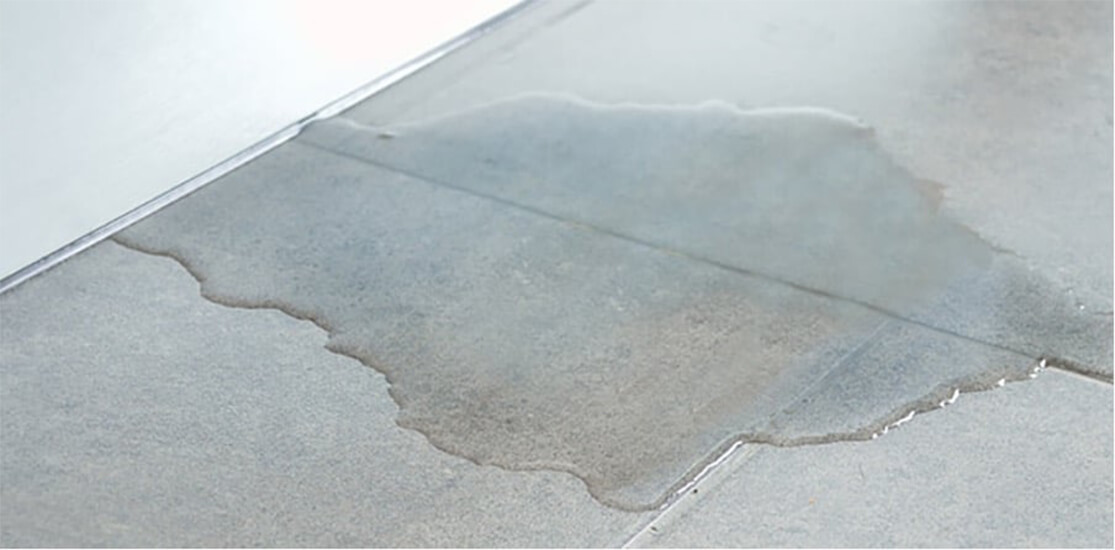
Water pooling on concrete floor indicating potential slab leak issue in home.

“If there is one problem that homeowners should be aware of, it is a slab leak. These sorts of leaks are hidden agents that cause havoc by leading to mould growth and foundation damage.”

WHAT IS A SLAB LEAK?

A slab leak’ is a fresh water leak that occurs in the pipes inside the poured foundation. A leak can occur for a variety of reasons, including electrolysis, corrosion, c-flux, or old soldering that causes corrosion to pipes inside the walls or roof surface. Quality of water will also cause havoc with time.

How Do Slab Leaks Happen?

The major causes of slab leaks are foundation shifts and pipe deterioration over time. Since copper pipes often pass through the foundations of older homes, they are more vulnerable to slab leaks. If copper pipes are not replaced after around 50 years, they tend to deteriorate, resulting in sewage and main line leaks.

A slab leak can often remain unnoticed for extended periods of time. As a result, your foundation will be damaged, as well as other serious damages. The leak is usually on the hot water pipe.  For example, Hot water leaks can occur as a result of the continual expansion and contraction of the pipes over time. However, cold water leaks can also occur, but they are obviously less common. Many leaks under your home’s foundation are discovered when you observe ‘hot spots’ on the floor.

As a result, you must understand how to detect a slab leak before it causes major structural damage.

Spots on the floor

A spot does not always indicate a dried paste that spilled on the floor a few days ago. It might indicate something serious, such as a leaky slab. Spots indicate that the hot water lines running below the slab are fractured or have holes in them. Warm spots are common because hot water promotes corrosion owing to chemical reactions on the pipe. A hot patch on the floor might also indicate a leaky valve on the bathroom sink or shower along the slab.

Raised “Dome” In the Floor

If the leak is serious enough and continues for a long enough period of time, you may observe damage to your flooring in the form of loops in the shape of the floor. The formation of a “dome,” or lifted spot in the floor, is a common event after severe water damage. While the appearance of a dome in your floor might help you pinpoint the area of the leak, it also indicates that serious damage is being done to your home’s foundation.

Sound of Water running on the Walls

The sound of flowing water in your walls is a sure sign of a slab leak. Close any running taps in the house and listen to any sounds coming from the walls to see if this is the problem. See the water meter on the wall. If you observe the pointer running, this indicates that there is a secret running source, which might be a slab leak.

Increased Water Bills

Your water bill may sometimes increase for no apparent reason. If your usage rate is consistent and you observe a sudden spike in water bills, you should look into it further since it might be a slab leak.

The majority of leaks occur inside the slabs, making them difficult to locate and notice with the human eye. A rising water bill indicates that you are either using more water or that there is a leak somewhere in your house.

Low Water Pressure

Debris in the water, defective valves, mineral build-up in the pipes, and water leaks are all major causes of low water pressure. If all other possibilities have been explored, the low water pressure is most likely due to the slab leak. Determine all water points in your home to figure out the exact reason of low water pressure. Run the water to identify the low-pressure areas.

General Problems Around the House

Aside from foundation issues, slab leaks cause plenty of other problems around the house. Cracks in the walls and flooring, as well as general odours throughout the compound and within the home, are indications of such issues. Inform your repair expert about any other issues to help him or her in determining the best repair method.

What to Do If You Suspect a Slab Leak?

“When leakage occurs under your home’s concrete slab, identifying the location isn’t always simple.”

There are destructive and non-destructive ways for locating an under slab leak. Shovels and drillers are examples of destructive tools. Electromagnetic amplifiers and electromagnetic pipe locators are examples of non-destructive tools.

If you are sure that there is a slab leak, you must consider your repair alternatives. You may either hire a foundation repair specialist or a regular plumber. Once the leak has been identified, the plumber can decide if re-plumbing or replacing the line is the best choice. If the pipe is severely damaged or if it is outdated, you may need to replace the entire pipe. This involves removing the entire flooring, jackhammering the concrete slap, and gaining access to the pipe. This procedure is both costly and inconvenient.