7 Tips to Hiring a Plumber in an Emergency

plumber

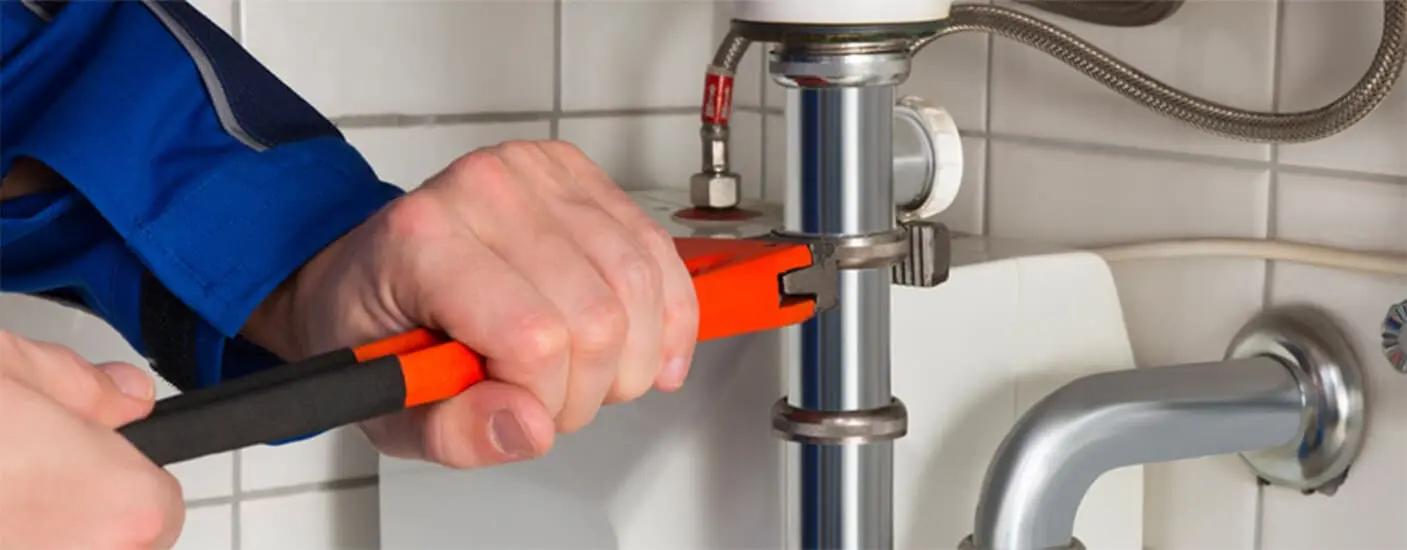
Every household will suffer without a functional plumbing system. Dripping faucets, clogged drains, or water heater issues are common plumbing issues that may cost time and money. In such situations, people should hire plumbers for repair. Their service is essential to deal with plumbing emergencies. These problems are capable of even flooding the house when not dealt with promptly. Emergency plumbers possess the required skill set to diagnose and fix the issue before it causes major inconveniences. And there are many ways to find reliable plumbers who can assist during plumbing emergencies.

Why should I hire emergency plumbers?

Timing is essential for any plumbing problems. Especially for emergencies, handling the issue as quickly as possible will prevent disastrous consequences. Timely plumbing job is of the essence, so people should hire emergency plumbers. The professionals have the time, resources, and energy to fix the problems as quickly as possible. This speedy repair pays off in the long run.

Next, most homeowners aren’t well-versed in repairing plumbing systems. They will not even have the right tools to fix dripping faucets or showerheads. When a plumber is hired, people be rest assured that they get the necessary tools for the job. An added bonus is that they get save money on buying any new tools or materials.

Professionally experienced plumbers can find the root of a problem. They will check the connected pipes to find water leaks, clogs, or bursts. Professionals even check for problems in the broken water heaters. They investigate the situation and devise countermeasures before finding the ideal solution.

There are plumbing repairs that homeowners can handle on their own. However, they cannot ensure that the work will hold up over time. Professionals guarantee results because of their experience and skills. Plumbers can certify that the job is finished in the right manner and some may even offer a warranty. This makes for a huge benefit for homeowners.

The most important reason to hire emergency plumbers is safety. In DIY repairs, people have the risks of electrical hazards, mold development, and other problems. In addition to safety, plumbers also have policies to keep every member of the family as safe as possible.

What are the best tips to hire plumbers?

Tips 1 : The first and foremost tip to hiring emergency plumbers is to ask for recommendations. People can ask for suggestions from their neighbors or even family members. A plumber trusted by peers is sure to deliver the best quality of service. Moreover, a locally reputed plumber can reach the house as quickly as possible.

Tips 2 : Next, homeowners should consider the experience of plumbers. Professionals with long-term experience in plumbing services will make fewer mistakes. As a result, they are more cost-efficient than novices. Experienced plumbers will also effortlessly handle the repairs and reduce the hassle for their clients.

Tips 3 : Another important tip to consider is the license of plumbers. Working with professionals without any credentials can be a huge mistake. People can check for the credentials of plumbers by searching on the internet or social media. Make sure to inspect the paperwork and their background before hiring a plumber.

Tips 4 : People need a plumber who can provide immediate assistance for their problems. They shouldn’t have to wait the next morning to use the toilet or shower. Check for the location of the plumber’s office and calculate the time it takes to reach the house. Hence, look for professionals who provide services around the clock.

Tips 5 : The equipment the plumber use is essential to fix the problem quickly. Some plumbers are known to use top-end equipment for repairs, while others only provide substandard tools. Proper equipment is also essential to save money in the long run because repairing inferior equipment will not offer longevity.

Tips 6 : The next crucial tip to consider is the response time of plumbers. Bad technicians will not respond to calls quickly. They won’t even show up at the door during emergency repairs. Additionally, a professional that shows up four hours late can be trusted for such emergency situations. Response time is key to ensuring a higher quality service for clients. Professionals who value this factor are reliable for all repairs.

Tips 7 : Lastly, the cost is the most critical decision factor of all. An expensive plumbing repair may not be ideal, especially when struggling with other commitments. People should find affordable services from all available options. Plumbers may provide estimates based on the details of equipment and labor cost. Homeowners can also research for quotes to find reasonably priced services.
7 Tips to Keep Your Home’s Plumbing Healthy

plumbing repair

Water damage can be devastating in many ways. It can lead to major disasters and huge financial losses. Water can destroy furniture, electronics, and other valuables in the house. Hence, handling plumbing issues promptly will save homeowners from lots of hassles. However, water damage isn’t the only concern for people, because even a dripping faucet can prove to be an expensive repair. Moreover, there are other concerns that result in wasting thousands of gallons of water each year. The following are some tips to maintain the home’s plumbing system.

1. Running toilet 

Every homeowner will experience running toilets at some point in their life. This problem refers to a toilet that constantly runs even when not in use. Diagnosing this issue can be a bit tricky because they are a lot of causes this to occur. Most importantly, running toilets may drive up the utility bills. Homeowners can fix a running toilet by themselves if they have the necessary tools like pliers or hacksaws. First, test the flapper with the stick and replace a broken flapper. Then, check the fill valve for any signs of a leak and replace it with the new fill valve.

2. Cleanliness 

Over time, the toilet jets get accumulated with bacteria and mineral buildup. People should keep their toilets clean with maintenance steps once per week. This will keep things running smoothly by getting rid of harmful bacteria and germs. Most importantly, it will avoid any risks of health concerns. The best way to keep the toilet clean is to brush once or twice a day. People can use vinegar as a cleaning agent to remove germs and refresh the part. Moreover, vinegar helps to break down the residue sedimented over time. Moreover, people may even use hydrogen peroxide to disinfect their toilets.

3. Garbage disposal 

Some households have the habit of disposing of their garbage in drains. This could clog the plumbing network and cause the drain to overflow. Some things shouldn’t be dumped into the drain. People can use garbage disposal tools to get rid of wastes and junk. Starchy foods like rice and vegetable peels also lead to clogs because they expand in the pipes. Other things include oils and grease that turn solid and become hard to clean. Experts suggest homeowners to cold water when they are disposing of garbage into the drain. The cold water helps to move items through the plumbing network by avoiding buildup.

4. Clogs 

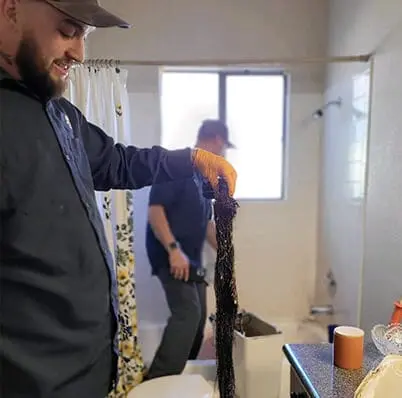
Debris like soap and hair can also clog up drains. These items accumulate over time and cause significant damage to the pipes. Main homeowners prefer a quick fix for their clogs and use chemicals to get rid of the buildup. The best way to fix clogs is using plungers or drain snakes. Tough clogs can also be removed with p-traps that help to clean the buildup of debris. In severe cases, make sure to call professionals. They have the right tools and skills to get rid of clogs. They also avoid any expensive utility bills.

5. Seasonal fixes 

Winterizing plumbing networks is a practice that is beneficial in multiple ways. Water in the pipes will expand when the temperature drops. It will even block the water distribution when the water turns into solid. People need to have a device that monitors the temperature in the plumbing network and makes necessary changes to maintain the ideal levels. They can even use foam insulations to cover exterior pipes and have them sealed. If the individuals are planning for a vacation, they should take precautionary measures. Keep the thermostat around 60 degrees to avoid any pipe bursts.

6. Water pressure 

Maintaining an ideal water pressure level is essential to prevent any problems. Sudden drops in water pressure indicate a clogged pipe. Too much pressure can lead to bursts in the piping network. People should get a pressure gauge from a nearby home improvement store and screw the tool right onto the outside faucet. The typical level of water pressure should be 40 and 80 psi. When there are exceptions in this standard level, it means the pipe may suffer from extreme wear and tear. One way of avoiding this issue is by installing a pressure-reducing valve. The tool helps to regulate water pressure and prevent any problems.

7. Annual checkups 

The best way to keep the plumbing system healthy is to ensure annual checkups. Most services offer this annual maintenance service to prevent issues related to faucets, toilets, drains, or water pressure. A seasoned professional can maintain the health of the pipes and ensure optimal performance.

Top 6 Reasons Why Your Faucets Are Leaking

faucet running

Leaky faucets are a problem for many homes and businesses. It is quite common around households, as people struggle to fix the leaking faucet. In some cases, the problem will be exacerbated. Every year, households waste about 10,000 gallons of water due to dripping faucets.

Some individuals may overlook leaks, but dripping faucets will damage a house in many ways. Moreover, it is an annoying problem that may lead to many underlying issues. Hence, people should identify the problem as quickly as possible and avoid any disastrous troubles.

What Causes Faucets To Leak?

Leaking water causes utility bills to skyrocket. People may notice a sudden spike in their monthly bills which will cost them money in the long run.

1. Worn-out O-ring 

In a plumbing system, cartridges control the flow of the water. It is a valve placed in primary connections. O-rings are small rubber discs attached to the stem screws. These rubber rings hold the handle of faucets in place. Therefore, leaking sinks may indicate that there is a problem with O-rings. Worn-out or damaged discs allow water to overflow from the faucet.

2. Damaged cartridge 

If the leak is originating from the faucet’s end, it indicates a damaged cartridge. The entire set can get corroded over time when it comes in contact with water. People should replace the damaged cartridge to prevent any leaks. One must make sure to replace the cartridge set with an identical cartridge.

3. Corroded valve 

The valve set connects the faucet and spout. After many years, the buildup of water sediments will corrode valve sets. This causes a leak and leads to more disastrous problems. People can avoid this problem by regularly cleaning their valve set. Make sure to hire professionals with specialized training to fix a corroded value.

4. Washers 

Another common reason for leakage is damaged washers. The friction between metal parts in the plumbing system will wear out the washers. Faucet leaks indicate that there is a damaged washer in the system. Occasionally, incorrectly installed washers will also have poor compression and cause leaks.

5. Loose parts 

Modern faucet sets will have many small parts that may wear out over time. This problem affects the efficiency of systems and causes leakage. Loose parts should be addressed quickly and replaced to avoid more problems. Call professionals and replace them with loose parts with new seals.

6. Water pressure 

Faucets tend to drip during certain times. Water pressure is another common concern for this problem. High water pressure is the culprit for leaks in the daytime. In such cases, homeowners should hire professionals to evaluate the leakage and determine the underlying cause of an issue. They can fix the home’s water pressure.

How to fix a leaky faucet? 

Repairing leaky faucets should be done as soon as possible to save money on water bills and other damages. People should identify the cause of a leak and call for professional help. The plumbers are equipped with tools and resources to fix the problems. In some cases, people may even choose DIY repairs.

What Are The Different Types of Faucets

First, people should find out the type of faucet they have in their bathroom or kitchen. There are different types of faucets, like single-handle and modern pull-down or a twisted ball faucet. Based on the type of faucet, the repair steps will vary.

Step-By-Step Leaky Faucet Repair

Once the main water supply has been shut off, make sure to shut off any individual valves and turn on the faucet to drain any remaining water in the sink.

After this step, unscrew the faucet handle with an Allen wrench or hex key. Make sure to use a flat screwdriver to remove the top screw cover. The Phillips Head screwdriver is suitable for all types of faucets. Once the screws are removed, the faucet can be separated from the main installation. People should remove the faceplate and separate the handle from the wall. Unscrew any metal sleeves from the valve with a locking clip.

The faucet stem is found in most old-fashioned-style bathrooms. This part helps to regulate the flow of hot and cold water in the bathroom. Loosen the packing nut in the handle assembly and set aside the part. Pull the cartridge from the main assembly and gently set it apart.

After knowing the cartridge and stem type, it becomes easy to find the replacement part. However, people should contact the faucet manufacturer and have their recommendation to replace the part. Reattach the cartridge or stem in the assembly and align the new faucets correctly.

Remember to contact Second Opinion Plumbing for all your faucet plumbing needs.

6 Common Plumbing Problems and How to Avoid Them

drain clog

A plumbing system is one of the most important components of a house. It delivers fresh water to the premises and removes wastewater with the help of drainage. When these functions halt, the household is sure to face undesirable consequences.

Plumbing issues are common due to various factors. Fixing these problems is a challenging and time-consuming task that is not suitable for everyone. Most importantly, not every situation will benefit from DIY repairs.

Hence, it is vital to hire experienced plumbers to work on the problems and avoid serious complications.

What are the dangers of plumbing repairs? 

Fixing plumbing issues is a dangerous task. It puts the technician’s life at risk, along with some health complications. Most commonly, natural gas leaks are the major contributor to such problems. Excessive inhalation can lead to life-threatening issues. Another common hazard is temperature and pressure. When a valve is faulty, it will cause the water heater to explode. High-temperature explosions can leave the technicians with burns and scars. In addition to natural gas and temperature changes, sewer gases like methane and carbon dioxide cause poisoning and asphyxiation.

Common plumbing problems & how to avoid them 

1. Clogged drains 

It is easy to spot a clogged drain or toilet. The water will back up instead of draining normally. In some cases, it may even overflow. Clogged drains are caused by small objects that block the pipe. These solid items include small toys, shampoo lids, or even hair. Since these items cannot move through, they may block the water in the pipe. People can use plungers to remove the clog. This simple tool is effective for both toilets and drains, as it creates suction to remove the solid item. Instead of plungers, people may even use plumbing snakes to dislodge blockages.

2. Leaking pipes 

The most common plumbing problem in households is leaking faucets or pipes. Dripping pipes result in the waste of both water and money. Each year 3000 gallons of water are wasted because of leaks. This problem is caused if the seal of the tap is damaged, dislodged, or even stiffened. Once damaged, the washer will not be able to provide a tight seal. As a result, small amounts of the water drip. To fix this issue, individuals should replace broken or deteriorated washers with the help of specialty tools. It is essential to contact a professional if the damage is extensive.

3. Water heater 

Another common plumbing problem is a faulty water heater appliance. People may notice dripping water, discolored water, or abnormal noise from the heater unit. These are the signs of a problem, and people should troubleshoot as soon as possible. Water heater problems are caused by mineral deposits that accumulate over time. This sediment will also cause strange noises regularly. In such cases, drain the tank and flush out the sediment. If the problem still persists, homeowners should call professionals to replace their water heater unit.

4. Low water pressure 

Depending on the cause, low water pressure will occur suddenly and get worse over time. People will find it difficult to take shower or rinse clothes with low water pressure. Therefore, the priority is getting the normal water pressure back. A water main break will affect water pressure and even cause leaks within the home. In such cases, people should check the water meter and check for leaks. If dirt build-up is causing the low pressure, unscrew the ends of faucets and soak them in vinegar overnight to remove the build-up. People can also install a filtration system to avoid mineral build-up in the future.

5. Running toilets 

There are many different types of toilet plumbing problems. But, the most overwhelming problem of all is a running toilet. It wastes water and causes strange sounds frequently. This problem is caused by a damaged flapper valve. Other potential causes include a loose-fill tube or imbalanced floats. In such cases, people should check each component and find the problem quickly. They should adjust the float and check the chain attached to the flapper. Ensure that there are no tangles in the internal tank components. People can buy toilet repair kits are available at home improvement stores.

6. Sewer line problems 

In simple terms, sewer lines take back the wastewater. And any problems in the function will lead to sewer clogs. People should call a professional plumber and clean the lines to remove blockages. In the worst-case scenario, the entire sewer line should be replaced.

Tenant Improvement Bathroom Installation

Whether you own or manage one rental property or multiple, you know that a beautiful bathroom can attract more interested tenants as well as higher rent, and a working bathroom is simply a must when someone is occupying your property.  Staying on top of tenant bathroom maintenance and repairs can be time-consuming but neglecting it can be extremely costly which is why you want to install and maintain a tenant bathroom that you can be proud of and that is easy to maintain which is why having a reliable professional plumber is essential!

When it comes to tenant bathrooms, there are a few priorities that every owner or manager should have – functionality, cleanliness, and aesthetic appeal. Your tenant bathroom improvements may include new fixture installation, sewer cleaning, sewer repair, clogged or malfunctioning toilets, water pressure problems, drain cleaning, and leak detection. If interested in or considering a bathroom remodel, a professional plumber can evaluate your existing bathroom and, using their experience and knowledge, help you design a bathroom that is both functional and appealing in accordance with today’s standards and preferences.

Having a functional and beautiful bathroom is incredibly important in the world of rental properties.  Tenants expect their living space to be habitable at a minimum, and having a beautiful and efficient bathroom is icing on the cake for both them and you. When your tenant’s bathroom plumbing works correctly and efficiently, you will save money on utilities as well as prevent larger and more costly problems from arising.  Have peace of mind and happy tenants with a beautiful and fully operational tenant bathroom by hiring professional plumbers for your tenant bathroom improvement and maintenance service needs.

What are the steps in bathroom installation?

A bathroom makeover is an easy way to attract more tenants. However, landlords should consider various factors before actually starting this project. First, they should take time to plan out the process and decide on a budget. It is essential to control the expenses, as it should provide positive returns over long term. In that sense, work with a professional to plan out an average total cost for a bathroom installation or renovation. Most landlords may opt for DIY projects. But, they should not settle for this choice without any prior experience or renovation skills. There are many ways to approach a bathroom installation project.

For instance, people should find the best color schemes for this bathroom and plan it ahead in time. Make sure to test the new color in an existing space to avoid any expensive reworks later. Another important consideration is replacing appliances and fixtures. They may opt to install a new sink or replace existing ones. It is vital to consider the project time and budget to make this choice. More importantly, find out the location of electrical wiring and plumbing pipes before doing renovation. Location of these utilities is crucial to avoid expensive repairs and ensure a seamless installation process.

Demolish

The first step in any bathroom installation is demolishing the existing ones. It gives people the space to work freely. Start by removing old or stained drywalls using pry tools. Make sure to wear safety goggles and other protective gear when working on demolish. One should also arrange for dumpster services to haul the garbage from the site. Dust control is another vital consideration during demolition. Finally, work on the vanities, mirrors, floor tiles, and bathroom cabinets. It is always better to remove the baseboards and have them reinstalled to get the new tile flooring.

Installation

Once the demolition process is finished, landlords can start on the installation of their new fixtures. Shower replacements or tub installations should be arranged, along with the current tubs. Moreover, check for signs of rotting woods in the subfloor and have them replaced promptly. Water damage is another sign that floorboards need a new reinstallation. Once the base works are done, one can focus on installing new fixtures for their bathroom. For most parts, this work is best left to professionals. They have the best tools and resources to renovate the bathroom and install new lighting features. It is also essential to replace the power outlets of there are any damages.

Cleaning

After all the works are completed, it is now time to haul the junks with the use of dumpsters. Landlords should understand the local guidelines for removing garbage and should stay compliant with them to avoid any heft penalties.

Improve Your Home’s Air Quality with an Air Filtration System

You may not realize it, but your home’s air quality is incredibly important. Most people just assume that the air inside their home is clean and pure because it is produced by their air conditioner but the reality is – it’s often the exact opposite.  Without proper ventilation and air filtration, your home’s air quality could be dramatically impacting your health, as the EPA reports, “Americans, on average, spend approximately 90 percent of their time indoors, where the concentrations of some pollutants are often 2 to 5 times higher than typical outdoor concentrations.” It is important to have your air quality evaluated and/or have a professional install an air filtration system in your home if you are concerned about optimizing your air quality and your health.

One of the biggest ways having an air filtration system installed will impact your health is your breathing.  Whether you have allergies, asthma, or any other health concerns, the quality of your home’s air will heavily influence your ability to breathe easily and comfortably at home. There are different types of air filtration systems to meet your budget and unique needs.

The most efficient way to filter your home’s air is to install an air filtration system directly in your return-air ductwork. This type of filter passively traps particles so that air can pass through with far fewer contaminants. Home air filtration systems remove allergens, smoke, dust, contaminants, and other harmful particles, allowing cleaner air to pass through which will reduce respiratory issues significantly.

How to choose an air filtration system?

Installing air filters is essential to get a clean indoor environment. The pollutants from the outside will lead to many problems like respiratory troubles and allergies. It will also lead to a number of ailments.

Since air purifiers are the best way to clean indoor air, it should choose a filtration system capable of removing pollen and dust. This also helps to maintain a healthy environment by removing pet residues, ragweed, and mold spores. If people have allergies, they should buy machines designed for providing allergy relief. These machines will have more than one filters to remove allergens. Moreover, smoke purifiers can remove fireplace soot and other fumes that impose respiratory conditions. People with chemical sensitivities also get beneficial results with these specifically designed filtration systems.

When people are choosing air filtration systems, they should consider the square footage of their room. These machines can manage symptoms related to allergies and asthma when the household consists of patients. Moreover, evaluate the air change per hour rates to find out how much it can filter considering the entire volume of air in the space. Especially for asthma-sufferers, these systems would provide clean air with four times per hour than other systems. It also thoroughly cleans the air for removing any microscopic allergens collected from the outside. Hence, consider the air changes per hour size to find whole-house models.

Features

After evaluating the type and size of an air filtration system, they should pay attention to any special features. These unique features are vital for ensuring the best energy savings and utility bills. Make sure to visit any store nearby and talk with the salesperson. They can explain the features in details to help customers make an informed decision. For instance, the Energy Star-rated machines can help to save money and conserve energy. Moreover, people want filtration systems with smartphone features. This provides the ease of use to get real-time updates, including alarm indicators, remote controls, filter change indicators, and fan speed controls.

Installation factors

There are many ways to install air filtration systems. People may need purified air in many rooms. If they have to cater for the needs for patients, portable filtration systems are the ideal choice. Moreover, the convenience of investing in additional units in the room should also be considered. Hence, popular choices for air filtration systems must be evaluated. It ensures clean air for every room by working with existing HVAC systems. As a result, this machine can deliver heated air, cooling, and ventilation for the home. Research online to find installation factors and make a choice.

Maintenance

The primary type of maintenance needed with air filtration systems can ensure optimal performance for many years. Consult with professional technicians, depending on the size and type of a machine to find out maintenance needs. If necessary, consider prompt filter replacements for added convenience.

Get Pure Drinking Water in Your Home with Reverse Osmosis

It is no secret that we have notoriously “hard” water in Arizona. What that means is that we have a higher concentration of minerals in our water, as well as other things like chemicals, contaminants, and impurities.  Those minerals then make their way into things like your laundry machine, dishwasher, shower, bath, sinks, and yes – even our drinking water.  Every home in Arizona could benefit from having a professional install a reverse osmosis system.

A reverse osmosis water filtration system will provide your home with the clean, great tasting water that you want. When you buy water bottles, you are buying water that has been through a commercial reverse osmosis system and ThoughtCo describes how reverse osmosis works in homes, “In order to understand reverse osmosis, it helps to first understand how mass is transported via diffusion and regular osmosis. Diffusion is the movement of molecules from a region of higher concentration to a region of lower concentration. Osmosis is a special case of diffusion in which the molecules are water and the concentration gradient occurs across a semipermeable membrane…Reverse osmosis occurs when the water is moved across the membrane against the concentration gradient, from lower concentration to higher concentration. To illustrate, imagine a semipermeable membrane with fresh water on one side and a concentrated aqueous solution on the other side. If normal osmosis takes place, the fresh water will cross the membrane to dilute the concentrated solution. In reverse osmosis, pressure is exerted on the side with the concentrated solution to force the water molecules through the membrane to the freshwater side…Reverse osmosis is different from simple membrane filtration because it involves diffusion and is affected by flow rate and pressure.”

As the water passes through the membrane, all contaminants and minerals are removed, leaving you with incredibly pure drinking water. You can say goodbye to buying plastic water bottles that are bad for the environment and expensive and enjoy the purest water possible, readily available at all times, in your home.

How to setup a reverse osmosis system

There are a myriad of ways to filter the drinking water of a household. However, some of these methods have their unique downsides that could lead to disastrous consequences. Reverse osmosis is one of the effective solutions to get pure drinking water for a home. This method involves removing ions, molecules, and other harmful contaminants from the drinking water using different types of filtrations. It can even remove heavy metals like lead from the water. This system is also clean and easy to maintain when compared with other systems. It is also less expensive than ultraviolet disinfectant systems that are effective in killing pathogens.

The process of installing a reverse osmosis treating system in a home involves several steps. It is an under-counter unit installed beneath the kitchen where there is a need for cooking and drinking water. The unit consists of four or five filtration canisters to remove different contaminants. Additionally, there is a tank to hold the purified water. The installation process is quite straightforward when compared to other methods.

First, people to plan the installation process. They should make sure the availability of space under the kitchen sink before purchasing a reverse osmosis system. Measure the dimensions of available space by considering the size of tank and filters. Moreover, consider the cold water source of a house to purchase an adapter tee. It is installed above the shut-off valve to provide water to the RO system.

Next, double check that the filter and storage tanks fit under the kitchen sink. Fitting tests are essential to understand the need for adjustments to the drain and water supply pipes. In case of any adjustments, people should call professional plumbers to work on the system. Homeowners can also install their RO systems in remote locations like utility rooms or garage. This may require more work to install, along with the need for additional tubing and connector components.

Once the above step is finished, mount the filter assembly system in the marked locations. Use a level to ensure that the unit is straight. There should also be some room left for maintenance works. After this step, screw the handers and set the assembly on its position.

The last step involves connecting the water line, drain pipe, and other tubing to the reverse osmosis assembly. Use tee connectors to fit each pipe into the provided slip washers. A pressure test concludes this process.

Are Your Pipes Silently Corroding?

plumbers tools

Though new home builds frequently use things like plastic and concrete pipes because they are resistant to corrosion, many existing homes still have metal pipes in their homes.  Metal pipes are not inherently bad, but they are more susceptible to corrosion so there may be additional precautions you need to take to prevent this from happening. Corrosion is not just a concern because your pipe could break and cause leaks and other damage – if the pipes that supply your drinking water corrode, it can become dangerous for your health because contaminants from corrosion could get into the water you drink.

Common causes of residential pipes corrosion include using excessive amounts of hot water, high levels of calcium or some other minerals in your water, low pH levels, water pressure that is too strong, and oxygen levels in your water that are too high. There are a few different ways to prevent or delay pipe corrosion. Prevent stagnant water from sitting in pipes for too long, don’t allow rust build up in your hot water heater from the anode or anywhere else because iron deposits from rusty pipes cause corrosion, use a water softener, monitor water pressure, and have your water evaluated.  You may need to add things like chlorine or phosphates to better support your plumbing.  If you are unsure if you have pipe corrosion or need to make any changes to prevent corrosion, consult a reliable plumber who can evaluate your plumbing and provide experienced recommendations or services that may help extend the life of your plumbing.

How to prevent corrosion in pipes?

Homeowners lose thousands of dollars in amount due to metal corrosion in every year. Aside from expensive repairs, corrosion also comes with dangers like safety hazards, personal injuries, and even halting water supply.

When it comes to plumbing pipes, metals draw electrons from one another. This exchange of electrons causes galvanic corrosion. As a result, the metal gets galvanic corrosion and becomes weaker overtime. This natural cause will affect the structural integrity of the entire property. One way of preventing metal-to-metal contact is insulation wear pads.

Friction can take a toll on metals and triggers corrosion. The crevice corrosion is most common around houses with old installations. Using a restraint helps to avoid crevice corrosion in metal pipes. People can also use clamps, U-bolts, and vibrations to minimize corrosion.

Lack of cleaning causes bacterial buildup in pipes. The microbiologically induced corrosion may cause the structure to become weak and affect the quality of water. Individuals must clean their pipes regularly. They can use sulfides and biocides to keep the pipes clean. Microbial inhibitors are another effective cleaner for maintenance needs.

Protective coatings and linings can prevent corrosion in joints and beams. Galvanization also offers such protection from corrosive agents on iron, steel, and aluminum pipes. If one wants to prevent bacteria from accessing gaps and crevices. Metal protection prevents any long damage in pipes.

High water pressure also causes corrosion in metal pipes. Homeowners should resolve inconsistent pressure in this piping system as soon as possible. This also means dealing with high stress edges before it develops into corrosion. If necessary, make sure to hire professional technicians for extensive corrosion problems.

What are the best ways to repair corroded pipes?

The first step in repairing corroded pipes is planning ahead. Especially with old plumbing pipes, quick repairs could avoid the need for expensive replacements. Homeowners should get their tools ahead of time and fix broken edges. Get a specialty of supply parts to avoid any disastrous floods.

The second tip involves cutting off the water supply to the entire house before conducting any repairs. One must test and confirm that the water is completely shut down by checking all the values. Any negligence mistakes may damage metal parts and lead to more stressful situations.

Homeowners perform mechanical and chemical cleaning to remove accumulated bacteria in crevices. Calcium lime and rust remover are excellent cleaners to clean faucets. It is essential to soak the cleaners and repeat the applications to accumulated debris that could be removed through mechanical cleaning steps.

One must use stuck fasteners to remove loose connections. This tool will also help to stabilize the plumbing structure and reduce torque in edges. Locking pliers may also offer a satisfactory solution in fixing damaged pipes. Locking wrenches help to deal with plumbing fixtures and old systems with severe corrosion problems.