
Ways to Help Prevent the Toilet From Clogging
Few frustrations compare to a clogged toilet and the anxious rise of water in the bowl. The good news: most toilet clogs are preventable with a few consistent habits. This guide highlights simple steps that reduce the chance of a toilet clog, protect sewer pipes from a clogged sewer line, and minimize the need for emergency drain cleaning. Put these practices in place to keep plumbing reliable and bathrooms stress‑free.
Be Careful About What Gets Flushed
 A toilet is designed for only two things: human waste and toilet paper. Treating the bowl like a trash bin is one of the fastest ways to create a clogged toilet or contribute to a sewer line clog. Many everyday items don’t break down, linger in bends, and can accumulate into blockages that require professional drain cleaning.
Common offenders include:
- Paper towels and facial tissues: these stay intact when wet and do not dissolve like toilet paper, creating dense plugs.
- Baby wipes, makeup wipes, and cleaning wipes: even those labeled “flushable” often remain intact long enough to form an obstruction in sewer pipes and can worsen a clogged sewer line.
- Feminine hygiene products and diapers: absorbent materials swell with moisture, frequently causing an immediate toilet clog in the trapway.
- Cotton swabs, dental floss, and hair: small items tangle and net other debris, gradually building a blockage that can migrate into the main sewer line.
A small, lidded trash can beside the toilet solves most disposal temptations. Keeping non‑flushable items out of the system protects the fixture, reduces the likelihood of a clogged sewer line, and helps the household avoid avoidable drain cleaning costs.
Use Less Toilet Paper
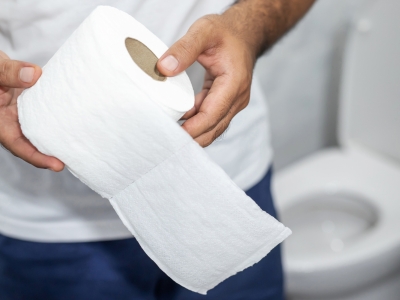 Excessive toilet paper is one of the most frequent causes of a toilet clog. Large wads expand when saturated and can wedge firmly in the trap or the first few feet of sewer pipes. Smarter use keeps the system clear without sacrificing hygiene.
Practical habits include:
- “Fold, don’t wad.” Folding uses fewer sheets and creates a flatter profile that moves more easily through bends.
- Break up disposal. If extra cleaning is needed, a mid‑flush prevents sending a single heavy bundle down the line at once.
- Choose readily dissolving paper. Lightweight single‑ or double‑ply toilet paper typically breaks down faster than ultra‑thick varieties that linger longer in pipes.
If modest amounts of toilet paper still lead to recurring slow flushes or partial blockages, a deeper obstruction may already be present. In that case, professional drain cleaning can restore full flow and prevent repeated clogs that appear to be paper‑related but originate farther along the sewer line.
Prevent Sewer Line Clogs
Repeated toilet clogs can signal a main‑line problem rather than a fixture issue. When a sewer line clog forms, wastewater reverses into the lowest drains—often a toilet or floor drain—causing system‑wide backups. Preventive habits and timely checks help protect the property from a clogged sewer line and costly water damage.
Common contributors include:
- Tree roots: roots naturally seek moisture and can enter small joints or cracks in older sewer pipes, restricting flow.
- Grease and fats: poured down sinks, these substances cool and solidify, coating the interior and trapping solids that follow.
- Aging or shifting lines: older materials and ground movement can create sags or fractures that collect debris and narrow the passage.
Practical prevention includes keeping grease out of drains, disposing of wipes and other non‑dissolving items in the trash, and scheduling periodic camera inspections—especially on lots with mature trees near the sewer line. Early detection of root intrusion or developing obstructions allows targeted cleaning before a major sewer line clog develops.
When telltale patterns arise—multiple toilets backing up at the same time, gurgling in one fixture when another runs, or foul odors from drains—professional help is the safest option. Licensed technicians can inspect the sewer line with a camera, then select the appropriate clearing method: a motorized auger (drain snake) to break through compacted debris or light roots, or hydro jetting to scour grease and scale from the pipe walls and restore interior diameter. If inspection reveals structural defects, localized repairs can prevent repeat issues and protect the property from a larger failure.
Consistent habits—limiting what enters the bowl, using toilet paper sensibly, and acting early on signs of main‑line trouble—go a long way toward preventing a clogged toilet and keeping the entire drainage system reliable. When in doubt, timely drain cleaning and inspection can stop a small problem from becoming a household‑wide backup.
About Second Opinion Plumbing
Second Opinion Plumbing is a respected owner-operated plumbing company offering same-day service from experienced plumbers in Gilbert and the surrounding areas. Call them today for straightforward pricing on clogged toilet repair in Gilbert, AZ.
)
Distribution Links +
- https://smb.magnoliastatelive.com
- https://smb.natchezdemocrat.com
- https://smb.albertleatribune.com
- https://smb.andalusiastarnews.com
- https://smb.lobservateur.com
- https://smb.alexcityoutlook.com
- https://smb.americustimesrecorder.com
- https://smb.americanpress.com
- https://smb.oxfordeagle.com
- https://smb.vicksburgpost.com
- https://smb.bluegrasslive.com
- https://smb.clantonadvertiser.com
- https://smb.demopolistimes.com
- https://smb.elizabethton.com
- https://smb.jessaminejournal.com
- https://smb.kenbridgevictoriadispatch.com
- https://smb.luvernejournal.com
- https://smb.troymessenger.com
- https://smb.clemmonscourier.net
- https://smb.harlandaily.com
- https://smb.irontontribune.com
- https://smb.state-journal.com
- https://smb.thecoastlandtimes.com
- https://smb.theinteriorjournal.com
- https://smb.thetidewaternews.com
- https://smb.winchestersun.com
- https://smb.farmvilleherald.com
- https://smb.smithfieldtimes.com
- https://smb.suffolknewsherald.com
- https://smb.cordeledispatch.com
- https://smb.thepostsearchlight.com
- https://smb.valleytimes-news.com
- https://smb.lowndessignal.com
- https://smb.theleesvilleleader.com
- https://smb.prentissheadlight.com
- https://pr.walnutcreekmagazine.com
- https://pr.thembnews.com
- https://pr.timesofsandiego.com
- https://pr.norwoodtownnews.com
- https://pr.franklintownnews.com
- https://pr.naticktownnews.com
- https://pr.omahamagazine.com
- https://pr.hollistontownnews.com
- https://pr.columbiabusinessmonthly.com
- https://pr.holladayjournal.com
- https://pr.sandyjournal.com
- https://pr.valleyjournals.com
- htv10.tv
- central.newschannelnebraska.com
- metro.newschannelnebraska.com
- southeast.newschannelnebraska.com
- northeast.newschannelnebraska.com
- plattevalley.newschannelnebraska.com
- panhandle.newschannelnebraska.com
- rivercountry.newschannelnebraska.com
- lifestyle.mykmlk.com
- lifestyle.3wzfm.com
- lifestyle.southernsportstoday.com
- lifestyle.thepodcastpark.com
- lifestyle.680thefan.com
- lifestyle.xtra1063.com
- lifestyle.953hlf.com
- lifestyle.rewind1019.com
- lifestyle.us983.com
- lifestyle.countrylegends1059.com
- lifestyle.967wshv.com
- lifestyle.1045thedan.com
- lifestyle.kbew98country.com
- lifestyle.kccrradio.com
- lifestyle.capitalcityrock.com
- lifestyle.current943.com