
Why Is My Water Cloudy: Top Reasons & What To Do About It

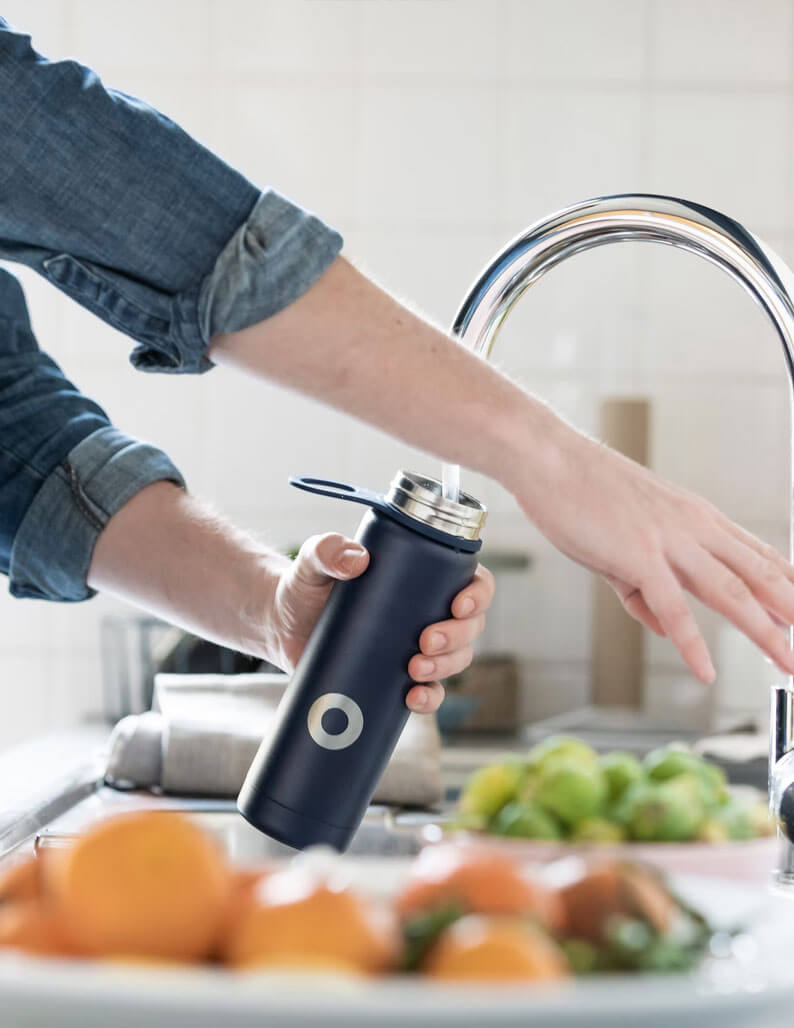
Person filling a reusable water bottle at a kitchen sink, surrounded by fresh fruits and vegetables, emphasizing clean drinking water and healthy living.

Every homeowner deals with plumbing problems at some point. Some plumbing problems are straightforward – for example: if there is a leak, you turn off the water, find the source of the leak, and then have the leak repaired. But, other plumbing problems can be a bit more confusing. If you have noticed that you have cloudy water coming out of your faucets, you may be wondering what is happening and how to fix it.

Cloudy water, also known as “milky” or “white” water, can have a few different causes. For this reason, it is important that you contact an experienced plumber to assess the cause and ensure it is properly repaired.  

Most Common Reasons for Cloudy Water

  1. Air bubbles: Sometimes, water appears cloudy due to the presence of air bubbles. This often happens when there is a sudden change in water pressure, such as when you turn on a faucet or flush a toilet. Although this can be understandably concerning at first glance, it’s usually not harmful and will clear up on its own within a few minutes.
  2. Sediment: Another common cause of cloudy water is the presence of sediment in your water. This can happen when there is a buildup of minerals or other particles in your water supply. Over time, this buildup can accumulate in your pipes and eventually make its way to your faucet. To fix this issue, you likely need to have your pipes cleaned (or if pipes are damaged, they may need to be replaced). Additionally, installing a water filtration system may help.
  3. Water temperature: If you notice cloudy water only when you run hot water from your faucet, the issue may be related to your water heater. Over time, minerals build up in the bottom of your water heater if not routinely drained and this buildup can cause cloudy water. Flushing your water heater can help remove these minerals and improve the quality of your water (and as a bonus, it extends your water heater’s lifespan and improves its efficiency).
  4. Chemicals: It is rare, but in some cases, cloudy water can be caused by the presence of chemicals in your water supply. This can happen if there is a nearby chemical spill or if your water supply has been treated with chemicals. If you think this is the case, contact your local water authority for guidance.

How To Fix Cloudy Tap Water

If you’re experiencing cloudy water, it’s important to determine the cause so you can take the appropriate action. An experienced plumber can help you identify the problem and provide guidance on how to fix it. Remember, your water supply is one of the most important resources in your home, so it’s essential to keep it clean and safe.

Get Pure Drinking Water in Your Home with Reverse Osmosis

It is no secret that we have notoriously “hard” water in Arizona. What that means is that we have a higher concentration of minerals in our water, as well as other things like chemicals, contaminants, and impurities.  Those minerals then make their way into things like your laundry machine, dishwasher, shower, bath, sinks, and yes – even our drinking water.  Every home in Arizona could benefit from having a professional install a reverse osmosis system.

A reverse osmosis water filtration system will provide your home with the clean, great tasting water that you want. When you buy water bottles, you are buying water that has been through a commercial reverse osmosis system and ThoughtCo describes how reverse osmosis works in homes, “In order to understand reverse osmosis, it helps to first understand how mass is transported via diffusion and regular osmosis. Diffusion is the movement of molecules from a region of higher concentration to a region of lower concentration. Osmosis is a special case of diffusion in which the molecules are water and the concentration gradient occurs across a semipermeable membrane…Reverse osmosis occurs when the water is moved across the membrane against the concentration gradient, from lower concentration to higher concentration. To illustrate, imagine a semipermeable membrane with fresh water on one side and a concentrated aqueous solution on the other side. If normal osmosis takes place, the fresh water will cross the membrane to dilute the concentrated solution. In reverse osmosis, pressure is exerted on the side with the concentrated solution to force the water molecules through the membrane to the freshwater side…Reverse osmosis is different from simple membrane filtration because it involves diffusion and is affected by flow rate and pressure.”

As the water passes through the membrane, all contaminants and minerals are removed, leaving you with incredibly pure drinking water. You can say goodbye to buying plastic water bottles that are bad for the environment and expensive and enjoy the purest water possible, readily available at all times, in your home.

How to setup a reverse osmosis system

There are a myriad of ways to filter the drinking water of a household. However, some of these methods have their unique downsides that could lead to disastrous consequences. Reverse osmosis is one of the effective solutions to get pure drinking water for a home. This method involves removing ions, molecules, and other harmful contaminants from the drinking water using different types of filtrations. It can even remove heavy metals like lead from the water. This system is also clean and easy to maintain when compared with other systems. It is also less expensive than ultraviolet disinfectant systems that are effective in killing pathogens.

The process of installing a reverse osmosis treating system in a home involves several steps. It is an under-counter unit installed beneath the kitchen where there is a need for cooking and drinking water. The unit consists of four or five filtration canisters to remove different contaminants. Additionally, there is a tank to hold the purified water. The installation process is quite straightforward when compared to other methods.

First, people to plan the installation process. They should make sure the availability of space under the kitchen sink before purchasing a reverse osmosis system. Measure the dimensions of available space by considering the size of tank and filters. Moreover, consider the cold water source of a house to purchase an adapter tee. It is installed above the shut-off valve to provide water to the RO system.

Next, double check that the filter and storage tanks fit under the kitchen sink. Fitting tests are essential to understand the need for adjustments to the drain and water supply pipes. In case of any adjustments, people should call professional plumbers to work on the system. Homeowners can also install their RO systems in remote locations like utility rooms or garage. This may require more work to install, along with the need for additional tubing and connector components.

Once the above step is finished, mount the filter assembly system in the marked locations. Use a level to ensure that the unit is straight. There should also be some room left for maintenance works. After this step, screw the handers and set the assembly on its position.

The last step involves connecting the water line, drain pipe, and other tubing to the reverse osmosis assembly. Use tee connectors to fit each pipe into the provided slip washers. A pressure test concludes this process.