Commercial Leaks Threaten Your Business – Recognize Signs of Water Line Damage

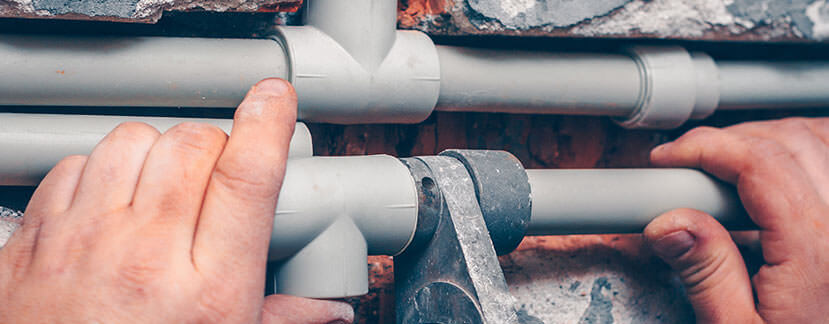
Hands working on PVC pipes during a commercial water line repair.

Hands working on PVC pipes during a commercial water line repair.Running a successful business is no easy task and the last thing you need is a plumbing disaster. Water line damage can lead to leaks that may lead to costly repairs, increased water bills, and potential disruptions to your daily business operations. Because of this, it is crucial to recognize the signs of commercial water line damage and have an experienced plumber address them promptly.
Signs of Commercial Water Line Damage:

  1. Higher water bills: If you notice a sudden spike in your water bills without any known change in water consumption, it could be a sign of a hidden leak in your water line.
  2. Visible signs of water damage: Water line leaks frequently result in visible signs of water damage such as stains on walls, ceilings, or floors, as well as warping or bubbling in these areas. The presence of wet spots or musty odors may also be a sign of water line issues.
  3. Pooling water in one or more areas: Puddles or pooling water in unexpected areas, both inside and outside your commercial property, can be a sign of a water line leak. If you notice these pools keep coming back or never leave, despite your best efforts to eliminate them, it’s time to have a plumber evaluate your water line.
  4. Banging, bubbling, or whistling sounds: Unusual sounds coming from your plumbing system, such as banging, bubbling, or whistling may be a sign of water line damage. These sounds often result from water pressure irregularities caused by leaks or other issues within the water line.

Keep your eyes and ears peeled for signs of water line issues and address them as soon as they arise. In doing so, you will save your business from potential disruptions, unnecessary expenses, and long-term damage to your property. If you are uncertain about your commercial water line, contact Second Opinion Plumbing.

2 Home Slab Leak Repair Options

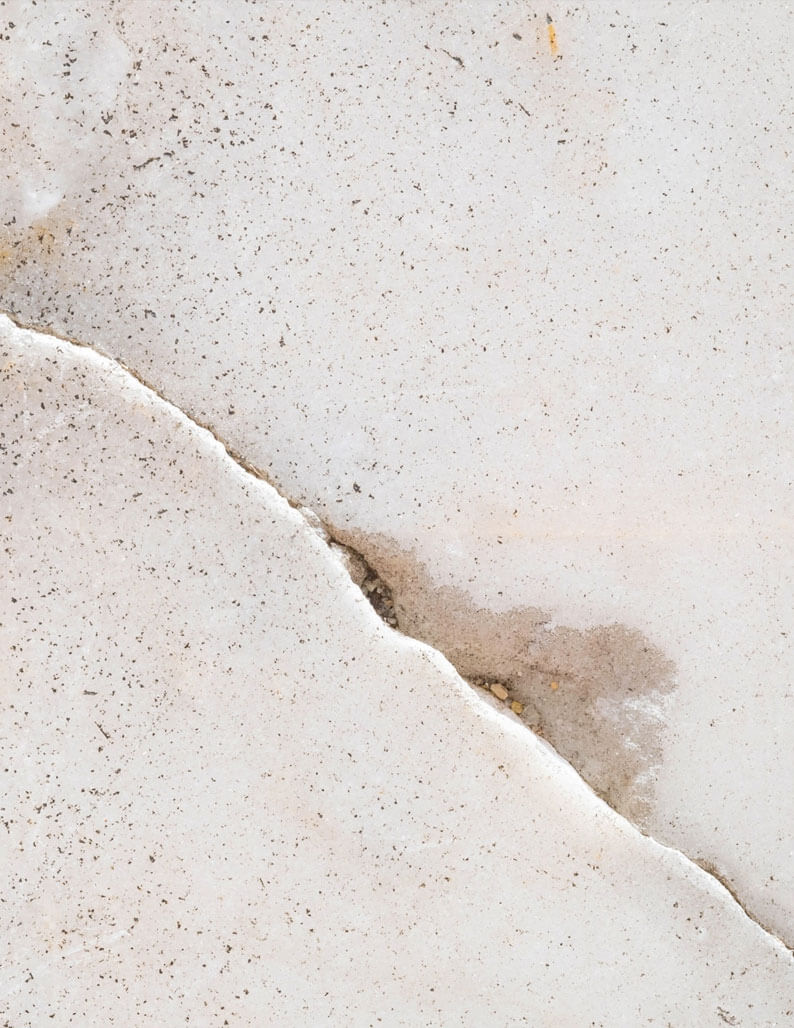
Cracked concrete slab with visible water seepage, illustrating potential slab leak issues related to plumbing problems.

Cracked concrete slab with visible water seepage, illustrating potential slab leak issues related to plumbing problems.Simple plumbing leaks are a headache but discovering a slab leak in your home can be a homeowner’s worst nightmare. The damage caused by hidden leaks beneath your home’s foundation can be significant and need to be treated as soon as possible to avoid extremely costly repairs. It is important to know the signs of slab leaks so that, if you notice any, you can hire a professional plumber to discuss slab leak repair options and address the issue quickly. 

Common Slab Leak Indicators:

  1. Increase in your water bill: A sudden, unexplained spike in your water bill could be a sign of a hidden leak beneath your foundation.
  2. Signs of mold and mildew: If you see or smell signs of mold it is a sign that there is excess moisture. There could be various reasons for this, but one potential reason is that it could be caused by a slab leak.
  3. The sound of continuously running water: If you hear the sound of water running even when all taps are turned off, it may be a sign of a slab leak.
  4. Discoloration in drywall: Stains or discoloration on your walls, especially near the baseboards, is a common sign of water damage caused by a hidden leak.
  5. Discoloration in flooring: Warped, discolored, or buckling flooring may be a result of water seeping up through a slab leak.
  6. Wet/spongy feeling in carpeting: If your carpet feels damp or spongy and you haven’t spilled anything, it could be from water seeping from a slab leak.
  7. Foundation cracks: Any visible cracks in your foundation walls or floors may be the result of a slab leak compromising the structural integrity of your home.

If you think you have a slab leak, it is essential that you contact an experienced plumber immediately. Once the issue has been identified, there are two common home slab leak repair options to discuss with your plumber.

2 Home Slab Leak Repair Options

  1. Demo the Concrete and Patch the Pipe
    • The slab leak repair option involves demolishing the concrete slab where the leak is located and patching the damaged pipe. While this may seem like a straightforward solution, it is not always the best choice because there are various potential complications. Because the damaged section of the pipe is repaired while the rest of the old pipe remains in place, there is a risk of the pipe developing more leaks in the future. Another reason homeowners may not choose this option is because demolishing the concrete slab can lead to collateral damage, requiring the repair or replacement of the flooring. Your home’s flooring material may have been discontinued which makes it challenging to find a match. 
  2. Reroute a New Line
    • The second slab leak repair option involves rerouting a new plumbing line to bypass the old, damaged pipe. This is often preferred because it reduces the odds of another leak occurring. With this method, the new pipe is run through alternative paths, such as walls, attics, or open ceilings, avoiding the need to disturb the concrete slab. By choosing to reroute the line, the damage is typically limited to the drywall. This makes repairs more manageable and less disruptive to your home. 


Understanding the Slab Leak Detection & Repair Process

Cracked concrete slab with visible water seepage, illustrating potential slab leak issues related to plumbing problems.

Cracked concrete slab with visible water seepage, illustrating potential slab leak issues related to plumbing problems.Some plumbing leaks are easily detectable nuisance that involves a simple fix. But others, like slab leaks, are harder to detect and demand expert professional plumbing repair. Although slab leak detection can be tricky, there are some telltale signs that something may be wrong and needs to be investigated. If you notice a sudden increase in your water bill, signs of mold and mildew, discolored drywall, discolored flooring, foundation cracks, musty smells, the sound of water running, or a wet/spongy feeling in your carpeting, it could be the result of a slab leak. 

Detecting a slab leak can be tricky and an inexperienced plumber without adequate knowledge and sophisticated tools can wind up causing quite a bit of damage in the process of leak detection and repair. Digital water leak detection is a sophisticated modern technology that works by using an amplifier to hear sounds typically associated with a leak. This enables your plumber to more accurately pinpoint the location of leaks, minimizing digs and damage associated with detection and repair. 

Once the source of the leak has been detected, your plumber has two options for repair. One or both options may be covered by your insurance depending on your policy and the cause of the leak.

Slab Leak Repair Options:

  • Demo & Patch
    • One option is to demo the concrete at the source of the slab leak, patch the pipe, and repair the area. The trouble is that this option is not always a long-term solution as the pipe may develop more leaks and the damage caused to your flooring may necessitate flooring replacements and other cosmetic repairs. 
  • Reroute & Bypass Plumbing
    • With this option, your plumber will reroute a new line through your walls, attic, or open ceilings, depending on your home and preferences. This option bypasses the old pipe and only results in minor drywall repairs. 

Don’t Ignore These Common Signs of a Plumbing Leak

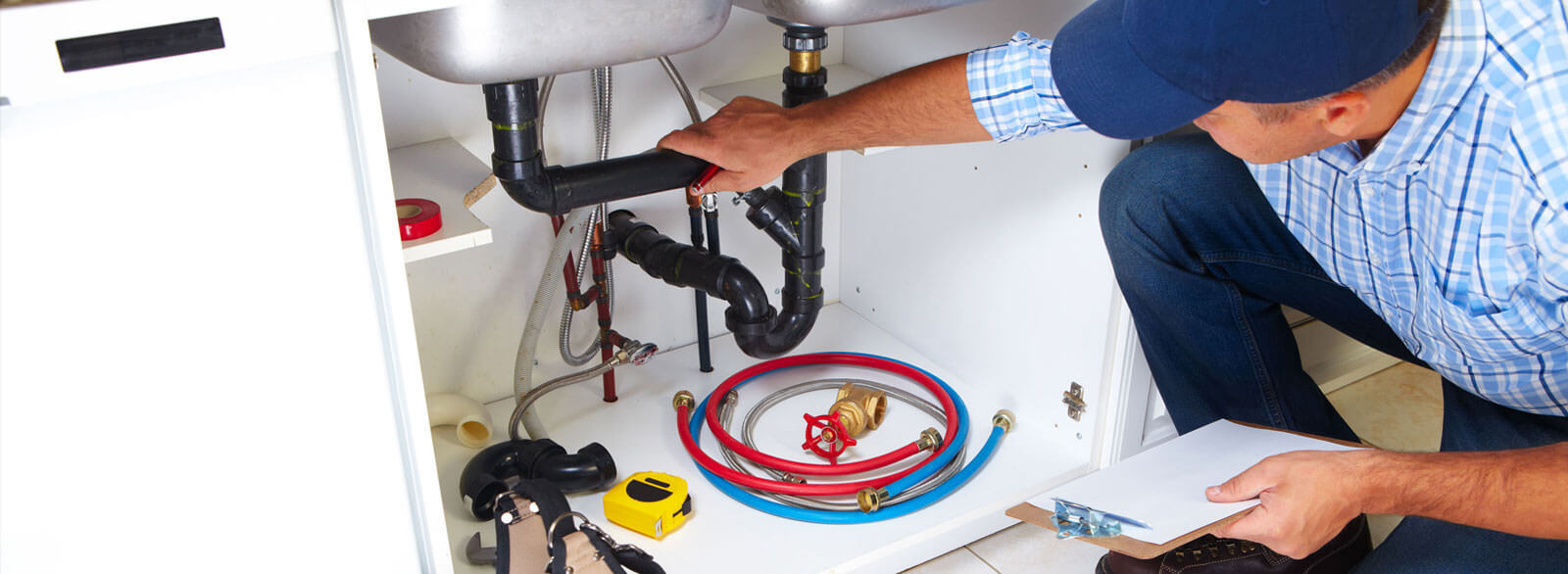
Plumber inspecting under sink plumbing with tools and hoses, emphasizing leak detection and repair services.

Every homeowner dreads finding a plumbing leak but many leaks go undetected for longer than they should, causing dangerous and costly damage. Some plumbing leaks are very obvious but others are more subtle. Often, homeowners may not notice tell-tale signs of a leak until it is too late and the damage is significant. Professional plumbers not only know the signs to look for, but they also have sophisticated professional tools that can help detect hard-to-find plumbing leaks such as leaks under your home’s slab.

Common Signs You Have a Plumbing Leak

High Water Bills

A higher-than-normal water bill is one of the most common signs you have an undetected leak. If you see a particularly high water bill or start to see that your water bills are consistently increasing, you may have a leak inside your walls or under your concrete slab.

Other common symptoms of a plumbing leak include:

  • signs of mold and mildew (small and/or visual)
  • hearing the sound of running water, discolored drywall and/or flooring
  • wet/spongy feeling carpet
  • foundation cracks.

When you notice any of these signs, it is important to find the source and repair it as quickly as possible. 

Slab Leak Repair Options

High-quality professional plumbers like Second Opinion Plumbing have special leak detection tools including line locators and digital sound locators. If something like a slab leak is detected, one repair option is demoing a portion of the concrete and patching the pipe, however, this is not an optimal repair because more leaks could develop over time. For an optimal, more long-lasting repair, rerouting a plumbing line is often recommended because it will cause minimal damage to your drywall and your homeowner’s insurance may even cover the costs.

Why Call a Professional Plumber?

If you are concerned you have a plumbing leak, don’t wait! Water damage rapidly grows and can cause costly and dangerous damage – speak to a professional plumber to learn more about leak detection and repair options for your home! Call Second Opinion today!

Why Plumbers Use Sewer Cameras To Detect Leaks

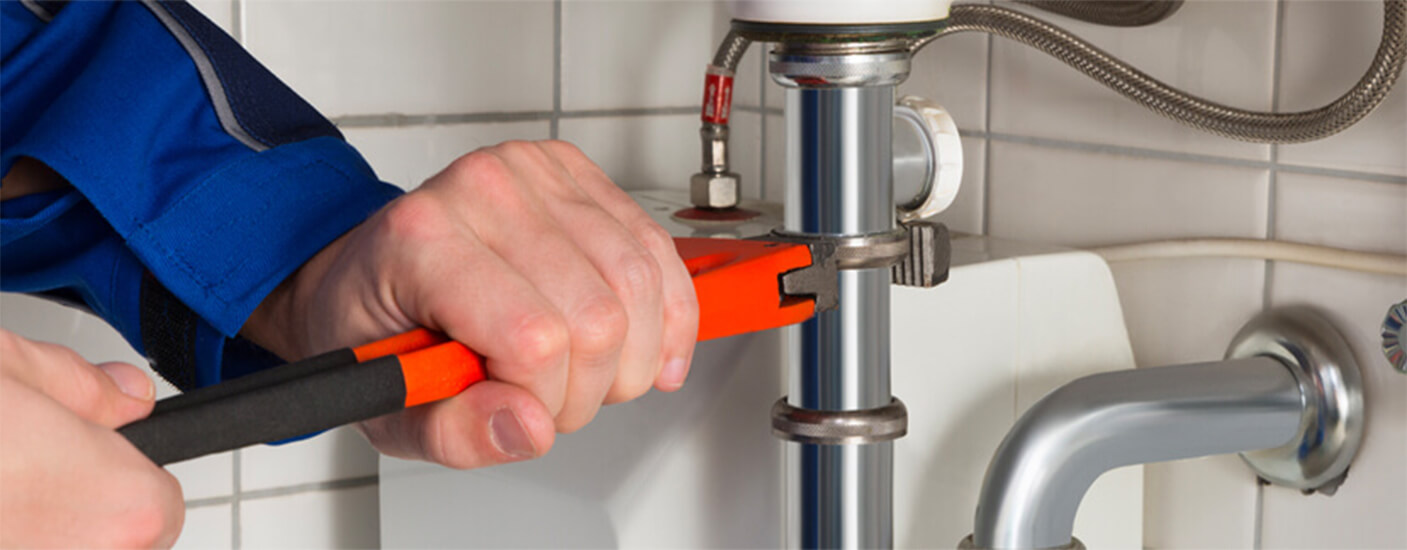
Plumber using an adjustable wrench on a pipe under a sink, emphasizing plumbing maintenance and repairs.

Plumbing leaks can be complex, challenging issues to resolve, especially when you are not sure where the problem is. Many plumbers rely on sewer cameras for plumbing leak detection because of the level of information that these cameras provide. Here are a few of the reasons why sewer cameras are so beneficial for finding leaks in your plumbing system.

Reduces Excavation Needs

Without sewer cameras to identify the location of a leak, plumbing contractors often have to excavate the entire plumbing line to find the problem. This is time-consuming, costly and destructive to the property. Sewer cameras allow plumbing professionals to locate a leak and target the excavation to only the affected area instead of the entire span of the pipes.

Provides Plumbers With a Clear Image of the Damage

Sewer cameras allow your plumber to see what’s actually happening inside your plumbing lines. The images transmitted from the camera provide clear details of any deterioration, blockages and cracks in the lines so that the leaks can be quickly and effectively addressed.

Sewer cameras are less disruptive and more accurate when you’re trying to locate the source of a leak. Visit Second Opinion Plumbing today for more information about sewer line repair and other plumbing services that they can offer for your home.

Avoid Excessive Bills: Why Hire a Plumber With Experience

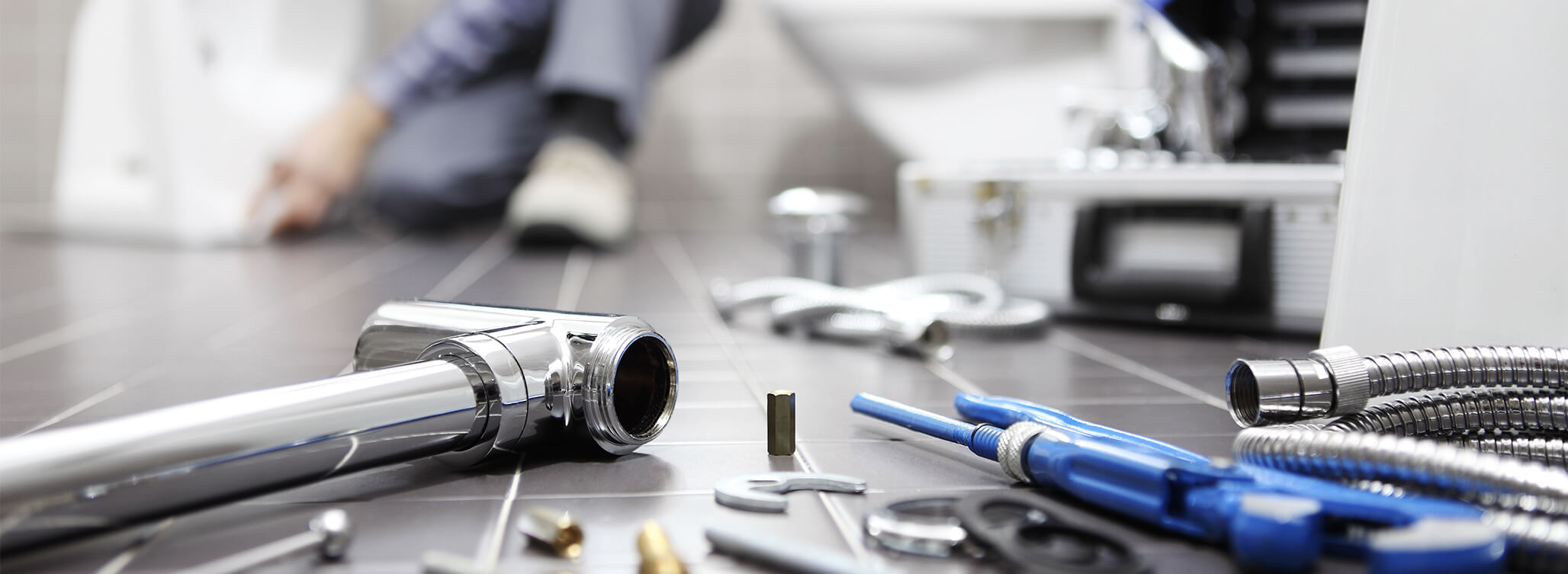
Plumbing tools and equipment on the floor with a plumber working in the background, emphasizing the importance of hiring experienced plumbers for quality service.

If you call the plumber, the odds are you aren’t thinking about what may happen if the professional tries to scam you. Likewise, you may not worry too much about whether the professional may make mistakes. To avoid problems, only seek out experienced plumbers.

Less Chance of Injury

Injuries can happen in the plumbing industry. An amateur plumber may easily harm him or herself. Additionally, without experience, plumbers have a higher likelihood of not understanding how to finish the job without damage. You could spend more money to repair destroyed pipes because of a mistake the supposed professional made.

More Knowledge and Experience

Experience matters in most businesses. When working with experienced plumbers, odds are they have seen everything that you may throw at them. You do not have to worry about them not knowing how to complete a job. An experienced plumber understands how to handle various situations safely. Always looks for testimonials and a history of working with the public. The more experience a person has, the more trustworthy he or she may be.

When you have an experienced plumber, you are less likely to have to deal with people who may want to scam you or that cannot perform the repairs correctly. Contact Second Opinion Plumbing for answers to your questions or receive an in-home estimate.

How To Detect A Slab Leak?

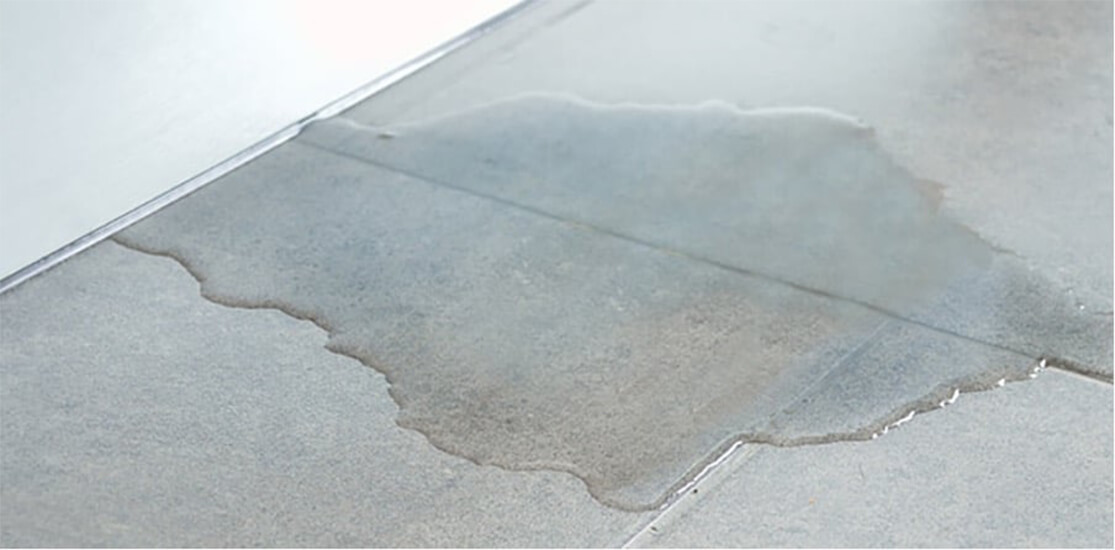
Water pooling on concrete floor indicating potential slab leak issue in home.

“If there is one problem that homeowners should be aware of, it is a slab leak. These sorts of leaks are hidden agents that cause havoc by leading to mould growth and foundation damage.”

WHAT IS A SLAB LEAK?

A slab leak’ is a fresh water leak that occurs in the pipes inside the poured foundation. A leak can occur for a variety of reasons, including electrolysis, corrosion, c-flux, or old soldering that causes corrosion to pipes inside the walls or roof surface. Quality of water will also cause havoc with time.

How Do Slab Leaks Happen?

The major causes of slab leaks are foundation shifts and pipe deterioration over time. Since copper pipes often pass through the foundations of older homes, they are more vulnerable to slab leaks. If copper pipes are not replaced after around 50 years, they tend to deteriorate, resulting in sewage and main line leaks.

A slab leak can often remain unnoticed for extended periods of time. As a result, your foundation will be damaged, as well as other serious damages. The leak is usually on the hot water pipe.  For example, Hot water leaks can occur as a result of the continual expansion and contraction of the pipes over time. However, cold water leaks can also occur, but they are obviously less common. Many leaks under your home’s foundation are discovered when you observe ‘hot spots’ on the floor.

As a result, you must understand how to detect a slab leak before it causes major structural damage.

Spots on the floor

A spot does not always indicate a dried paste that spilled on the floor a few days ago. It might indicate something serious, such as a leaky slab. Spots indicate that the hot water lines running below the slab are fractured or have holes in them. Warm spots are common because hot water promotes corrosion owing to chemical reactions on the pipe. A hot patch on the floor might also indicate a leaky valve on the bathroom sink or shower along the slab.

Raised “Dome” In the Floor

If the leak is serious enough and continues for a long enough period of time, you may observe damage to your flooring in the form of loops in the shape of the floor. The formation of a “dome,” or lifted spot in the floor, is a common event after severe water damage. While the appearance of a dome in your floor might help you pinpoint the area of the leak, it also indicates that serious damage is being done to your home’s foundation.

Sound of Water running on the Walls

The sound of flowing water in your walls is a sure sign of a slab leak. Close any running taps in the house and listen to any sounds coming from the walls to see if this is the problem. See the water meter on the wall. If you observe the pointer running, this indicates that there is a secret running source, which might be a slab leak.

Increased Water Bills

Your water bill may sometimes increase for no apparent reason. If your usage rate is consistent and you observe a sudden spike in water bills, you should look into it further since it might be a slab leak.

The majority of leaks occur inside the slabs, making them difficult to locate and notice with the human eye. A rising water bill indicates that you are either using more water or that there is a leak somewhere in your house.

Low Water Pressure

Debris in the water, defective valves, mineral build-up in the pipes, and water leaks are all major causes of low water pressure. If all other possibilities have been explored, the low water pressure is most likely due to the slab leak. Determine all water points in your home to figure out the exact reason of low water pressure. Run the water to identify the low-pressure areas.

General Problems Around the House

Aside from foundation issues, slab leaks cause plenty of other problems around the house. Cracks in the walls and flooring, as well as general odours throughout the compound and within the home, are indications of such issues. Inform your repair expert about any other issues to help him or her in determining the best repair method.

What to Do If You Suspect a Slab Leak?

“When leakage occurs under your home’s concrete slab, identifying the location isn’t always simple.”

There are destructive and non-destructive ways for locating an under slab leak. Shovels and drillers are examples of destructive tools. Electromagnetic amplifiers and electromagnetic pipe locators are examples of non-destructive tools.

If you are sure that there is a slab leak, you must consider your repair alternatives. You may either hire a foundation repair specialist or a regular plumber. Once the leak has been identified, the plumber can decide if re-plumbing or replacing the line is the best choice. If the pipe is severely damaged or if it is outdated, you may need to replace the entire pipe. This involves removing the entire flooring, jackhammering the concrete slap, and gaining access to the pipe. This procedure is both costly and inconvenient.