
Tips for Choosing a Commercial Water Heater for Your Building

commercial water heater

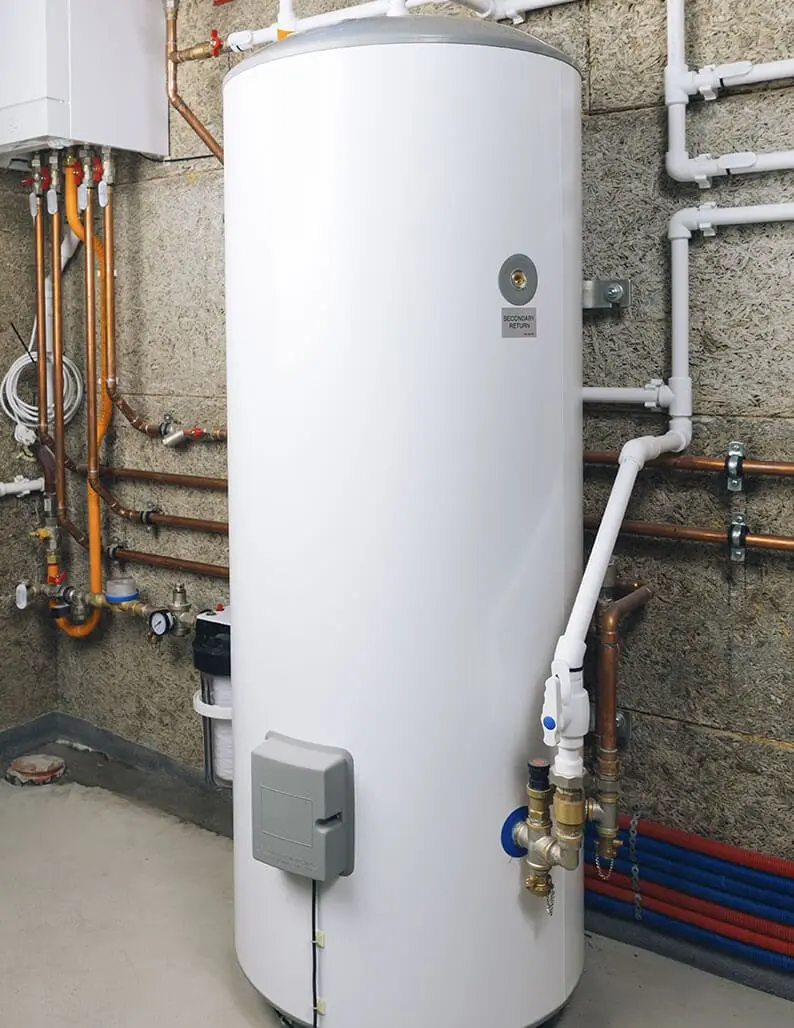
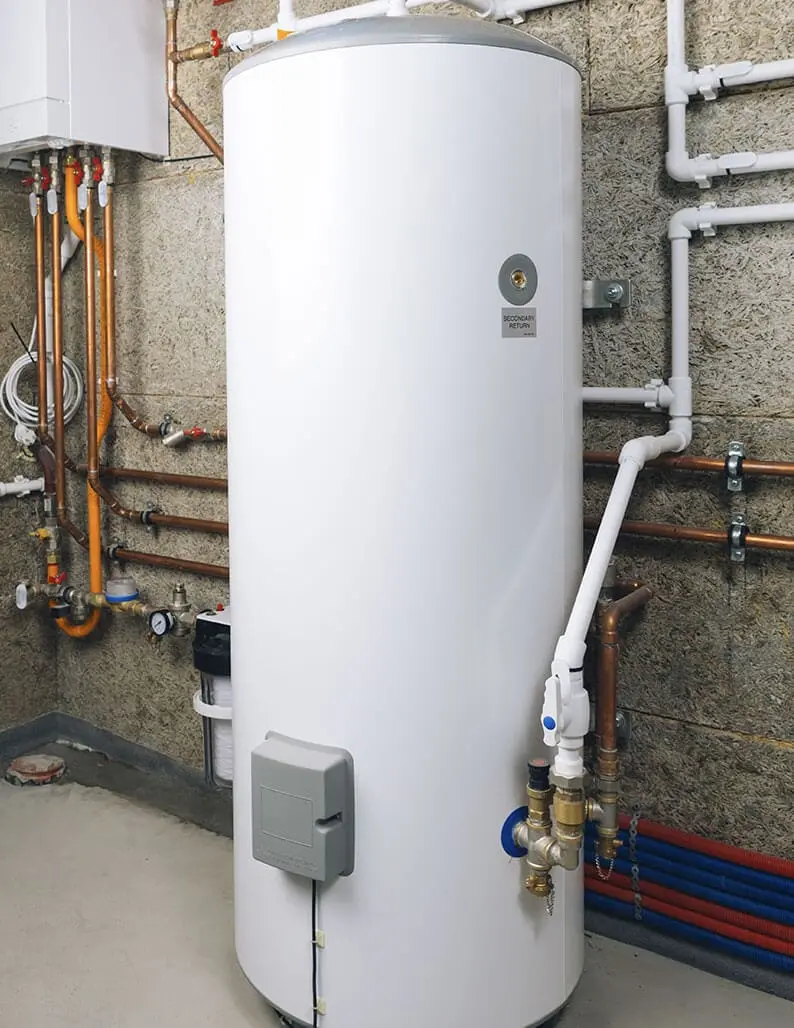
commercial water heaterCommercial water heaters play a crucial role in various industries by ensuring a steady supply of hot water for everyday operations. When problems arise with commercial water heaters, it can lead to inconveniences, dissatisfied customers, and costly production downtime. Whether you’re running a hotel, restaurant, or any other commercial establishment, there are a few important things to keep in mind when selecting a water heater. Below, we offer some professional tips to consider when choosing a commercial water heater for your building. 

Tips for Choosing a Commercial Water Heater for Your Building

  • Prioritize Quality and Reliability
    • Businesses don’t just need a water heater – they need one that is reliable. This is not a place to compromise on quality to save a few dollars because it often comes with consequences down the line. For example, a damaged thermostat can cause erratic temperature fluctuations, which could lead to burns for your employees and customers. To avoid liability issues and ensure everyone’s safety, choose a water heater that is known for its durability and reliability.
  • Consider Your Business Needs
    • Commercial buildings have varying water needs. Before choosing a water heater, carefully consider your business’s needs. Consider factors such as peak hours, the number of employees or guests, and the various tasks that require hot water. An experienced plumber can help you accurately calculate your hot water needs, ensuring you choose the right model and capacity to meet your specific business requirements.
  • Optimize Sanitization Processes
    • For businesses like restaurants and hotels, proper sanitization is critical. Without enough hot water, cleaning food prep utensils and surfaces is difficult and may even lead to health hazards. If sanitation is a concern for your building, choose a water heater with an adequate capacity to provide enough hot water for thorough and efficient cleaning.
  • Energy Efficiency Matters
    • Energy efficiency is not just good for the environment, it can also save you money. Upgrading to an energy-efficient water heater can save businesses up to 60% on heating costs. Look for energy provider incentives to offset the initial investment.

Carefully consider these tips when choosing a commercial water heater so that you can have peace of mind that it will be a reliable and efficient asset to your business. Contact Second Opinion Plumbing today to explore the best water heater solutions tailored to your business’s unique needs.


Things to Consider When Choosing a Water Heater

water heater

water heaterDiscovering that your one-reliable water heater has stopped working is never fun. After all, we depend on our water heaters for essential daily functions like warm showers and baths, dishwashing, and laundry. When it is time to replace your water heater, there are a lot of different models with unique features and different sizes, leaving you with a lot to consider. Below, we take a closer look at what you should consider when choosing a new water heater.

Things to Consider When Choosing a Water Heater

  1. Type of Water Heater Fuel: The thing you need to determine is what type of fuel powers your water heater. Determine whether you have a gas or electric water heater already and that will be the same type as what you choose for a replacement. 
    • Electric Water Heaters: These are popular for their ease of installation and relatively lower upfront costs. However, they may have higher operating costs compared to gas-powered models. 
    • Gas Water Heaters: Gas heaters are more energy-efficient, making them a cost-effective option. If your home already has a gas line, a gas water heater is a convenient choice.
  2. Tank or Tankless Water Heater: Next, you’ll need to choose whether you want a traditional tank water heater or a tankless one. Each type has its advantages and drawbacks, so consider your household’s hot water usage and energy efficiency preferences.
    • Tank Water Heaters: These traditional heaters store a continuous supply of hot water in a tank. They are a good choice for homes that need to use hot water in multiple fixtures at the same time. While they may have a lower upfront cost, they are less energy efficient than tankless models, so monthly utilities will be higher. 
    • Tankless Water Heaters: Tankless water heaters heat water on demand as needed so they do not waste energy maintaining a large tank of hot water continuously. Because of this, they are more energy-efficient, leading to lower utility bills. Though the initial investment is higher, tankless heaters generally have a longer lifespan and can save you money in the long term.
  3. Water Heater Tank Size: The water tank size is important for your household’s hot water needs. Factors like family size and usage patterns affect the right size. At Second Opinion Plumbing, our experts can help you find the perfect tank for you.

When replacing your water heater, consider the fuel type, size, and brand. Second Opinion Plumbing can help you choose the right one. Contact us for professional water heater installation, maintenance, and repair.

Commercial Leaks Threaten Your Business – Recognize Signs of Water Line Damage

water line damage

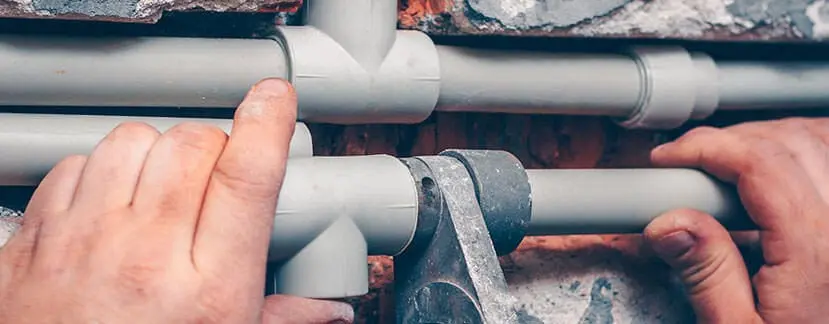
water line damageRunning a successful business is no easy task and the last thing you need is a plumbing disaster. Water line damage can lead to leaks that may lead to costly repairs, increased water bills, and potential disruptions to your daily business operations. Because of this, it is crucial to recognize the signs of commercial water line damage and have an experienced plumber address them promptly.

Signs of Commercial Water Line Damage:

  1. Higher water bills: If you notice a sudden spike in your water bills without any known change in water consumption, it could be a sign of a hidden leak in your water line.
  2. Visible signs of water damage: Water line leaks frequently result in visible signs of water damage such as stains on walls, ceilings, or floors, as well as warping or bubbling in these areas. The presence of wet spots or musty odors may also be a sign of water line issues.
  3. Pooling water in one or more areas: Puddles or pooling water in unexpected areas, both inside and outside your commercial property, can be a sign of a water line leak. If you notice these pools keep coming back or never leave, despite your best efforts to eliminate them, it’s time to have a plumber evaluate your water line.
  4. Banging, bubbling, or whistling sounds: Unusual sounds coming from your plumbing system, such as banging, bubbling, or whistling may be a sign of water line damage. These sounds often result from water pressure irregularities caused by leaks or other issues within the water line.

Keep your eyes and ears peeled for signs of water line issues and address them as soon as they arise. In doing so, you will save your business from potential disruptions, unnecessary expenses, and long-term damage to your property. If you are uncertain about your commercial water line, contact Second Opinion Plumbing.

Digital Water Leak Detection: A Valuable Tool for Homeowners & Plumbers

slab leaks

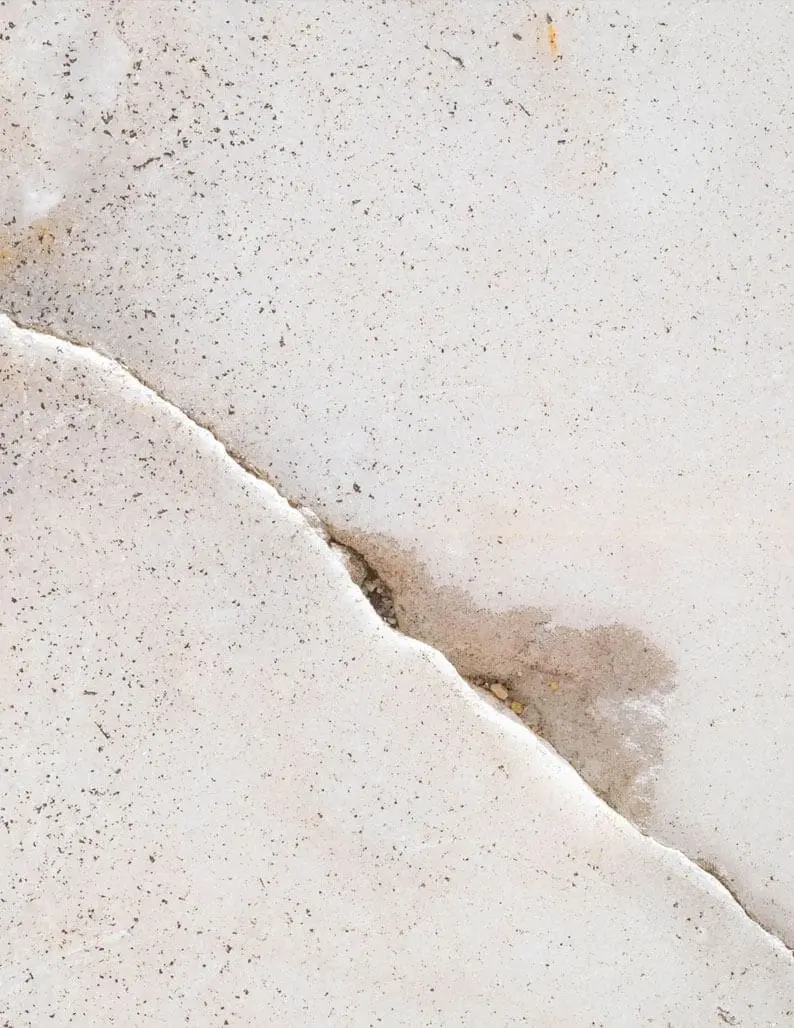
digital water leak detectionEvery homeowner dreads the idea of discovering a water leak. Although when some small leaks are caught quickly the damage is minimal and a simple repair is all that is necessary. But, it can be hard to detect many leaks, particularly when they are under the slab of your home. When left undetected and untreated, water leaks can lead to costly repairs, extensive property damage, and even health hazards. Fortunately, modern technology has made it easier than ever to detect leaks early on, before they cause significant damage. Plumbers can use digital water leak detection to locate the source of slab leaks and repair them as quickly as possible to minimize damage.


What is Digital Water Leak Detection?

Some leaks are obvious but concealed plumbing leaks can be tricky to locate. Digital water leak detection is a technology that uses an amplifier to hear sounds that are typically associated with a leak. When a leak is detected, the sensors alert the plumber to the precise location of the leak, so that it can be fixed before it causes significant damage.


Why is Digital Water Leak Detection a Beneficial Tool for Plumbers & Homeowners?

Digital water leak detection is a valuable tool for plumbers because it allows them to detect leaks early on before they cause structural damage to the home. This ultimately saves the homeowner time and money. Additionally, digital water leak detection is a non-invasive and accurate way to detect leaks. Traditional leak detection methods, such as digging up floors or walls, can be expensive and time-consuming. Digital water leak detection is highly effective and accurate so plumbers can detect leaks without causing any damage to the home. If you are concerned about water leaks in your home or have noticed common signs of a leak but can’t determine the source, contact a reliable plumber who can use digital water leak detection to quickly identify and repair the source of the leak.

The Benefits of Choosing an Electric Water Heater

Electric Water Heater

water heaterAre you in the market for a new water heater? When you are investing in a new water heater, there is a lot to consider about the size and functionality of your water heater. Weighing the decision carefully is important because it will impact how much you spend, how energy efficient your home is, and ultimately, your overall experience with your water heater. Electric water heaters offer several benefits over traditional gas water heaters. While there are several types of water heaters available, an electric water heater is a popular choice for many households because they offer a number of benefits over other types of water heaters. 

Benefits of Choosing an Electric Water Heater

  • Energy Efficiency: Electric water heaters are more energy-efficient than gas water heaters. Gas heaters have to be vented to get rid of harmful gases and the venting process means they operate less efficiently than electric water heaters. This means that they are more environmentally friendly and can help you save money on your utility bills.
  • Durability: Electric water heaters tend to last longer than gas water heaters because they have fewer moving parts and are less prone to corrosion. Because of this, electric water heaters last for many years with minimal maintenance.
  • Safety: Electric water heaters do not produce any harmful gases, unlike gas water heaters, making them far safer to use in enclosed spaces, such as basements or utility rooms.
  • Convenience: Electric water heaters are easy to install and require less space than gas water heaters. 

Electric water heaters offer many benefits over gas water heaters. When choosing an electric water heater for your home, consider its size, energy efficiency, cost, and installation requirements. If you need help determining which type of water heater is best for your home, consult an experienced plumber that can evaluate your needs and budget and help you find the best water heater for your home.

Electric Water Heaters: Tank vs. Tankless

Electric Water Heater

Electric Water HeatersYour home’s water heater is an essential appliance that is used every day. Without an effective and efficient water heater, you wouldn’t have hot water for things like bathing, washing dishes, doing laundry, and other daily household functions. When electric water heaters get old or in need of repair or replacement, homeowners often begin considering whether they should invest in a tank or tankless electric water heater. There are excellent options in both categories but the best option for your home will depend on a variety of factors.

What You Need to Know: Tank Electric Water Heaters

Storage tank water heaters are a more traditional water heater option that homeowners tend to be more familiar with. They come in varying capacities but essentially they store a number of gallons of hot water (typically between 20-60 gallons). Electric water heaters retain the heated water in the tank so that it is ready to be used on demand as needed. Because they have a limited capacity, they can run out of hot water if the demand at a given time is more than the capacity of the tank. Storage tank electric water heaters tend to be less expensive up-front. But, if your capacity is wrong for your household needs you may run out of hot water and have to wait for the tank to refill and heat the water. Tank water heaters also take up more space in your garage or other storage location and tend to be less energy-efficient than tankless water heaters. 

What You Need to Know: Tankless Electric Water Heaters

Tankless water heaters, sometimes called ‘on-demand’ water heaters, heat water at the moment that it is being used. Because tankless water heaters only heat water when you need it, they are more energy efficient than storage tank water heaters. Also, because they do not need to store heated water, tankless water heaters are much smaller and therefore take up significantly less space. Because they are more energy efficient and have a far lower risk of things like leaking, they have a longer lifespan than tank water heaters. But, if the initial purchase price is a concern, tankless water heaters do tend to be more expensive up-front. And, because they heat water on demand, there may be a slight lag time waiting for water to get hot. To discuss which option is best for your home, contact an experienced water heater installer.

Don’t Ignore These Common Signs of a Plumbing Leak

plumbing leak

Every homeowner dreads finding a plumbing leak but many leaks go undetected for longer than they should, causing dangerous and costly damage. Some plumbing leaks are very obvious but others are more subtle. Often, homeowners may not notice tell-tale signs of a leak until it is too late and the damage is significant. Professional plumbers not only know the signs to look for, but they also have sophisticated professional tools that can help detect hard-to-find plumbing leaks such as leaks under your home’s slab.

Common Signs You Have a Plumbing Leak

High Water Bills

A higher-than-normal water bill is one of the most common signs you have an undetected leak. If you see a particularly high water bill or start to see that your water bills are consistently increasing, you may have a leak inside your walls or under your concrete slab.

Other common symptoms of a plumbing leak include:

  • signs of mold and mildew (small and/or visual)
  • hearing the sound of running water, discolored drywall and/or flooring
  • wet/spongy feeling carpet
  • foundation cracks.

When you notice any of these signs, it is important to find the source and repair it as quickly as possible. 

Slab Leak Repair Options

High-quality professional plumbers like Second Opinion Plumbing have special leak detection tools including line locators and digital sound locators. If something like a slab leak is detected, one repair option is demoing a portion of the concrete and patching the pipe, however, this is not an optimal repair because more leaks could develop over time. For an optimal, more long-lasting repair, rerouting a plumbing line is often recommended because it will cause minimal damage to your drywall and your homeowner’s insurance may even cover the costs.

Why Call a Professional Plumber?

If you are concerned you have a plumbing leak, don’t wait! Water damage rapidly grows and can cause costly and dangerous damage – speak to a professional plumber to learn more about leak detection and repair options for your home! Call Second Opinion today!

Improve the quality of Your Drinking Water With an RO System

ice

Enjoying pure, delicious drinking water from your home faucets is a luxury but not necessarily a guarantee. One way people use to ensure safe drinking water from home is through an RO system. RO is another way to say reverse osmosis. This is a process in which water is demineralized or deionized when it is pushed under pressure through a semipermeable osmosis membrane. RO systems are a common and effective way of cleansing water of harmful elements.

What Do RO Systems Do?

Reverse osmosis systems work to transform ordinary tap water into the purest water possible by removing chemicals, minerals, impurities and other unwanted contaminants. The semipermeable membrane filters out and flushes away the bad elements, leaving only pure, potable water.

What Are the Benefits of RO Systems?

RO systems come with many benefits. They filter nearly all harmful contaminants, including lead, asbestos and more than 80 other additional contaminants. These systems eliminate the need to boil water when you can’t trust the source.

By investing in an RO system, the environment benefits because plastic can be eschewed in favor of personal travel containers. With a reverse osmosis system, there is no need to buy any kind of bottled water because you’ll likely match or exceed its purity with your home system.

The lack of minerals can also be seen as an advantage of reverse osmosis water. Chefs insist that it makes cooking taste better because of the absence of chemicals, most notably fluoride. Fish owners and aquarium enthusiasts appreciate this water to give their pets the purest water.

Who Invests in RO Systems?

Many cities and towns employ reverse osmosis for municipal water and in many places in America the water is safe to drink. More and more homeowners are investing in RO systems to ensure the ultimate in water purification. Contact us at Second Opinion Plumbing today to learn more about reverse osmosis systems or to schedule a free in-home estimate.

Everything You Need To Know About Residential Mister Systems

backyard misters

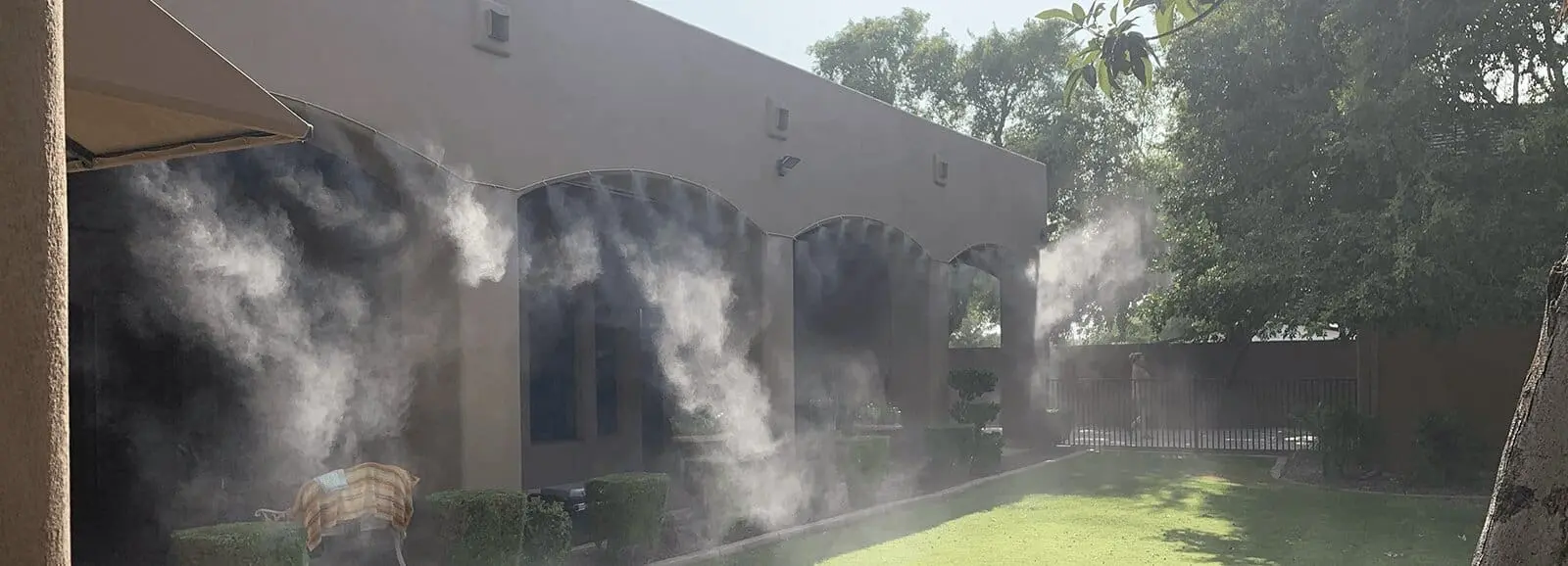
Imagine sitting outside in the Arizona heat while gently being sprayed with a mist. That’s the power of residential misters that can help you stay comfortable and enjoy your summer in Arizona. Consider having a plumber install these if you find the temperatures unbearable yet still want to sit outside.

How Do They Work?

A water pump powers these residential misting systems. That allows water to be forced through tubes at high pressure and out of small holes. The result is an atomized mist that provides a cooling sensation.

What Are the Benefits?

The most significant benefit is that it acts as an outdoor air conditioner. Yet, they are much more energy-efficient. They are more effective and efficient than traditional fans. Plus, they offer plenty of other benefits, including:

  • Dry seating
  • Long-lasting convenience
  • Quiet and discrete
  • Reduced insects

Does a Plumber Install Them?

Having a professional install your system is the best way to go. Like with anything else, you get what you pay for with misters. DIY solutions can be less efficient, ineffective, and require frequent maintenance.

Misters are a popular option in Arizona. They can improve your quality of life and let you enjoy the outdoors this summer. To learn more about having misters installed in your home, contact us at Second Opinion Plumbing today.

How Can You Tell When To Replace Your Water Heater?

water heater

With most household appliances, knowing when to replace them is fairly simple: when they stop working, it’s time to buy a new one. Water heater replacement is trickier, because you may not recognize the signs that the system is starting to fail. Here’s how to know when to call the pros.

The Water Heater Is 10 Years Old

If you’re moving into a new house and the water heater is 10–12 years old, you’re generally better off scheduling a water heater replacement right away. That way, you don’t have to worry about problems later on. Tankless water heaters in Arizona can last up to 20 years, but it depends on how well the system is maintained.

Your Electricity Bill Is Too High

To be fair, there can be many reasons for a high energy bill in Arizona, such as your AC working hard because of a heat spell. That said, if you notice the bill staying high even though you have trouble getting water to heat up, it’s a sign that the water heater has problems.

Weird Noises

Strange noises can mean the water heater has built-up sediment. It needs to be flushed out to prevent damage to the system. Leaks can also be a sign of urgent problems.

When you suspect water heater troubles, it’s better to be safe than sorry. Call our team at Second Opinion Plumbing for help with water heater installation, repairs and replacements.