7 Tips to Hiring a Plumber in an Emergency

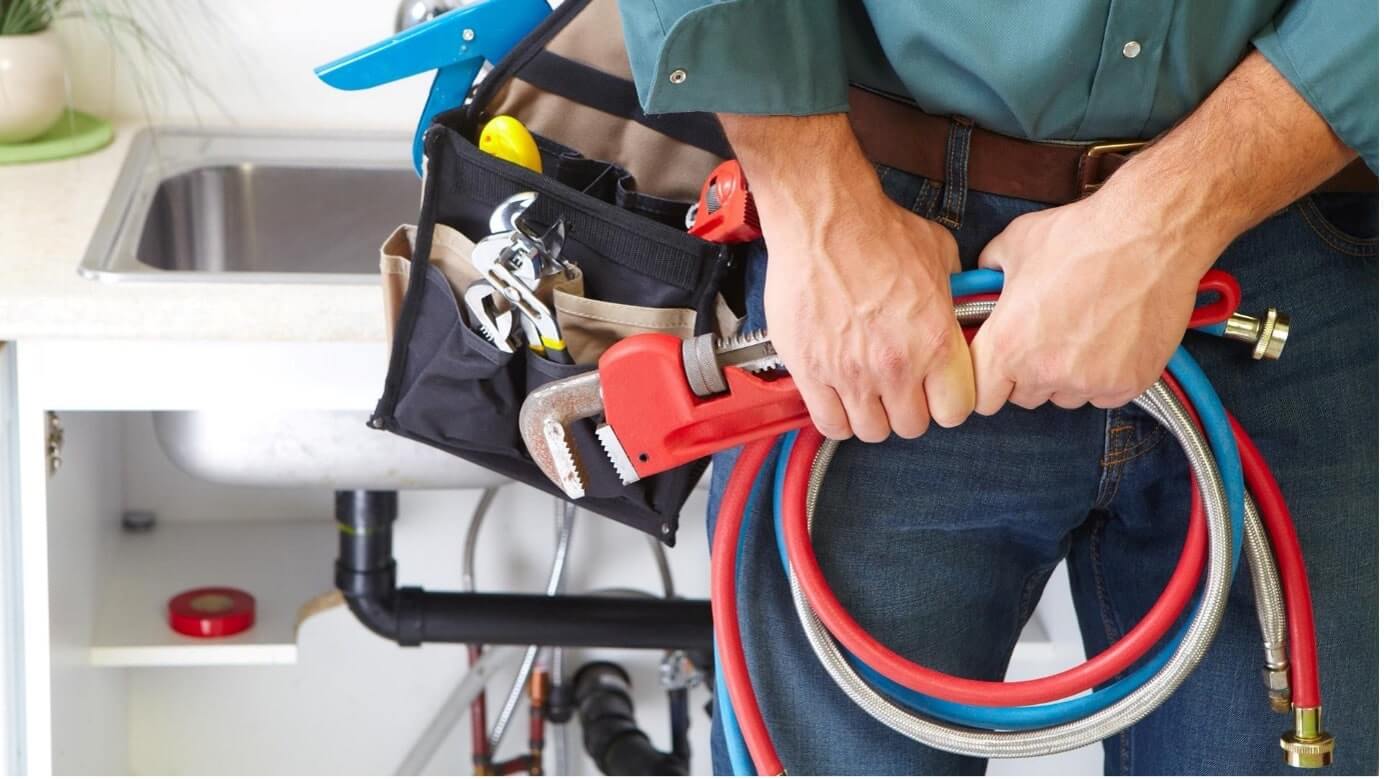
Plumber holding red and blue hoses and a wrench, ready for emergency plumbing repairs under a kitchen sink.

Every household will suffer without a functional plumbing system. Dripping faucets, clogged drains, or water heater issues are common plumbing issues that may cost time and money. In such situations, people should hire plumbers for repair. Their service is essential to deal with plumbing emergencies. These problems are capable of even flooding the house when not dealt with promptly. Emergency plumbers possess the required skill set to diagnose and fix the issue before it causes major inconveniences. And there are many ways to find reliable plumbers who can assist during plumbing emergencies.

Why should I hire emergency plumbers?

Timing is essential for any plumbing problems. Especially for emergencies, handling the issue as quickly as possible will prevent disastrous consequences. Timely plumbing job is of the essence, so people should hire emergency plumbers. The professionals have the time, resources, and energy to fix the problems as quickly as possible. This speedy repair pays off in the long run.

Next, most homeowners aren’t well-versed in repairing plumbing systems. They will not even have the right tools to fix dripping faucets or showerheads. When a plumber is hired, people be rest assured that they get the necessary tools for the job. An added bonus is that they get save money on buying any new tools or materials.

Professionally experienced plumbers can find the root of a problem. They will check the connected pipes to find water leaks, clogs, or bursts. Professionals even check for problems in the broken water heaters. They investigate the situation and devise countermeasures before finding the ideal solution.

There are plumbing repairs that homeowners can handle on their own. However, they cannot ensure that the work will hold up over time. Professionals guarantee results because of their experience and skills. Plumbers can certify that the job is finished in the right manner and some may even offer a warranty. This makes for a huge benefit for homeowners.

The most important reason to hire emergency plumbers is safety. In DIY repairs, people have the risks of electrical hazards, mold development, and other problems. In addition to safety, plumbers also have policies to keep every member of the family as safe as possible.

What are the best tips to hire plumbers?

Tips 1 : The first and foremost tip to hiring emergency plumbers is to ask for recommendations. People can ask for suggestions from their neighbors or even family members. A plumber trusted by peers is sure to deliver the best quality of service. Moreover, a locally reputed plumber can reach the house as quickly as possible.

Tips 2 : Next, homeowners should consider the experience of plumbers. Professionals with long-term experience in plumbing services will make fewer mistakes. As a result, they are more cost-efficient than novices. Experienced plumbers will also effortlessly handle the repairs and reduce the hassle for their clients.

Tips 3 : Another important tip to consider is the license of plumbers. Working with professionals without any credentials can be a huge mistake. People can check for the credentials of plumbers by searching on the internet or social media. Make sure to inspect the paperwork and their background before hiring a plumber.

Tips 4 : People need a plumber who can provide immediate assistance for their problems. They shouldn’t have to wait the next morning to use the toilet or shower. Check for the location of the plumber’s office and calculate the time it takes to reach the house. Hence, look for professionals who provide services around the clock.

Tips 5 : The equipment the plumber use is essential to fix the problem quickly. Some plumbers are known to use top-end equipment for repairs, while others only provide substandard tools. Proper equipment is also essential to save money in the long run because repairing inferior equipment will not offer longevity.

Tips 6 : The next crucial tip to consider is the response time of plumbers. Bad technicians will not respond to calls quickly. They won’t even show up at the door during emergency repairs. Additionally, a professional that shows up four hours late can be trusted for such emergency situations. Response time is key to ensuring a higher quality service for clients. Professionals who value this factor are reliable for all repairs.

Tips 7 : Lastly, the cost is the most critical decision factor of all. An expensive plumbing repair may not be ideal, especially when struggling with other commitments. People should find affordable services from all available options. Plumbers may provide estimates based on the details of equipment and labor cost. Homeowners can also research for quotes to find reasonably priced services.
7 Tips to Keep Your Home’s Plumbing Healthy

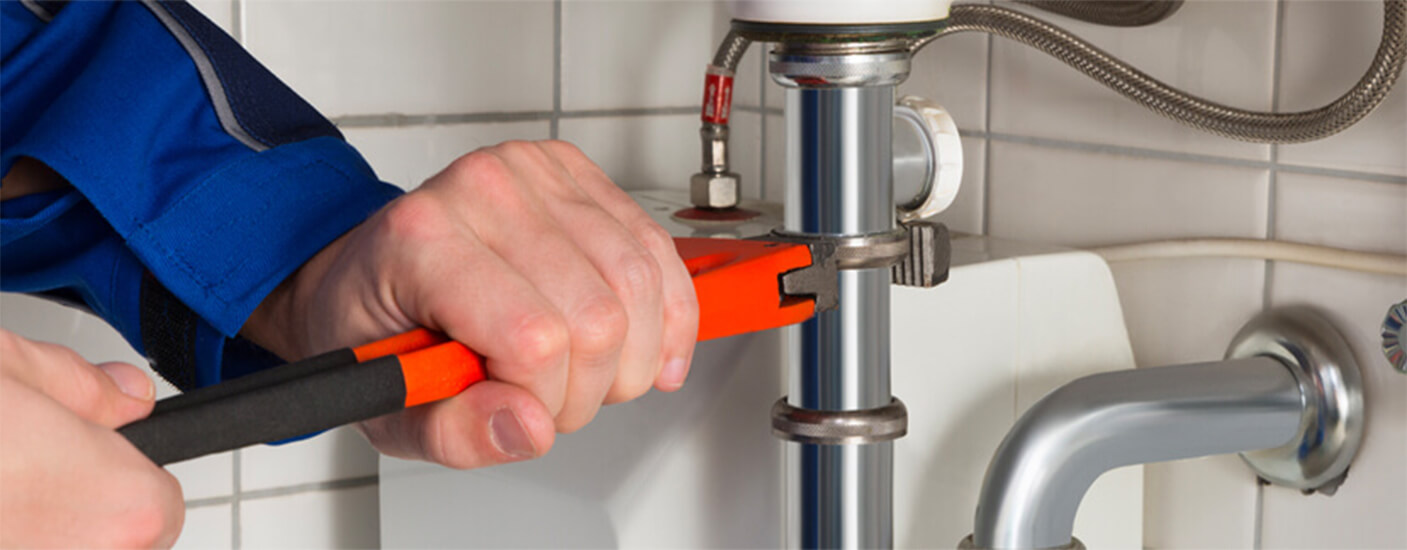
Plumber using an adjustable wrench on a pipe under a sink, emphasizing plumbing maintenance and repairs.

Water damage can be devastating in many ways. It can lead to major disasters and huge financial losses. Water can destroy furniture, electronics, and other valuables in the house. Hence, handling plumbing issues promptly will save homeowners from lots of hassles. However, water damage isn’t the only concern for people, because even a dripping faucet can prove to be an expensive repair. Moreover, there are other concerns that result in wasting thousands of gallons of water each year. The following are some tips to maintain the home’s plumbing system.

1. Running toilet 

Every homeowner will experience running toilets at some point in their life. This problem refers to a toilet that constantly runs even when not in use. Diagnosing this issue can be a bit tricky because they are a lot of causes this to occur. Most importantly, running toilets may drive up the utility bills. Homeowners can fix a running toilet by themselves if they have the necessary tools like pliers or hacksaws. First, test the flapper with the stick and replace a broken flapper. Then, check the fill valve for any signs of a leak and replace it with the new fill valve.

2. Cleanliness 

Over time, the toilet jets get accumulated with bacteria and mineral buildup. People should keep their toilets clean with maintenance steps once per week. This will keep things running smoothly by getting rid of harmful bacteria and germs. Most importantly, it will avoid any risks of health concerns. The best way to keep the toilet clean is to brush once or twice a day. People can use vinegar as a cleaning agent to remove germs and refresh the part. Moreover, vinegar helps to break down the residue sedimented over time. Moreover, people may even use hydrogen peroxide to disinfect their toilets.

3. Garbage disposal 

Some households have the habit of disposing of their garbage in drains. This could clog the plumbing network and cause the drain to overflow. Some things shouldn’t be dumped into the drain. People can use garbage disposal tools to get rid of wastes and junk. Starchy foods like rice and vegetable peels also lead to clogs because they expand in the pipes. Other things include oils and grease that turn solid and become hard to clean. Experts suggest homeowners to cold water when they are disposing of garbage into the drain. The cold water helps to move items through the plumbing network by avoiding buildup.

4. Clogs 

Debris like soap and hair can also clog up drains. These items accumulate over time and cause significant damage to the pipes. Main homeowners prefer a quick fix for their clogs and use chemicals to get rid of the buildup. The best way to fix clogs is using plungers or drain snakes. Tough clogs can also be removed with p-traps that help to clean the buildup of debris. In severe cases, make sure to call professionals. They have the right tools and skills to get rid of clogs. They also avoid any expensive utility bills.

5. Seasonal fixes 

Winterizing plumbing networks is a practice that is beneficial in multiple ways. Water in the pipes will expand when the temperature drops. It will even block the water distribution when the water turns into solid. People need to have a device that monitors the temperature in the plumbing network and makes necessary changes to maintain the ideal levels. They can even use foam insulations to cover exterior pipes and have them sealed. If the individuals are planning for a vacation, they should take precautionary measures. Keep the thermostat around 60 degrees to avoid any pipe bursts.

6. Water pressure 

Maintaining an ideal water pressure level is essential to prevent any problems. Sudden drops in water pressure indicate a clogged pipe. Too much pressure can lead to bursts in the piping network. People should get a pressure gauge from a nearby home improvement store and screw the tool right onto the outside faucet. The typical level of water pressure should be 40 and 80 psi. When there are exceptions in this standard level, it means the pipe may suffer from extreme wear and tear. One way of avoiding this issue is by installing a pressure-reducing valve. The tool helps to regulate water pressure and prevent any problems.

7. Annual checkups 

The best way to keep the plumbing system healthy is to ensure annual checkups. Most services offer this annual maintenance service to prevent issues related to faucets, toilets, drains, or water pressure. A seasoned professional can maintain the health of the pipes and ensure optimal performance.

Top 6 Reasons Why Your Faucets Are Leaking

Faucet with running water demonstrating plumbing functionality, relevant to leaky faucet issues and solutions discussed on Second Opinion Plumbing.

Leaky faucets are a problem for many homes and businesses. It is quite common around households, as people struggle to fix the leaking faucet. In some cases, the problem will be exacerbated. Every year, households waste about 10,000 gallons of water due to dripping faucets.

Some individuals may overlook leaks, but dripping faucets will damage a house in many ways. Moreover, it is an annoying problem that may lead to many underlying issues. Hence, people should identify the problem as quickly as possible and avoid any disastrous troubles.

What Causes Faucets To Leak?

Leaking water causes utility bills to skyrocket. People may notice a sudden spike in their monthly bills which will cost them money in the long run.

1. Worn-out O-ring 

In a plumbing system, cartridges control the flow of the water. It is a valve placed in primary connections. O-rings are small rubber discs attached to the stem screws. These rubber rings hold the handle of faucets in place. Therefore, leaking sinks may indicate that there is a problem with O-rings. Worn-out or damaged discs allow water to overflow from the faucet.

2. Damaged cartridge 

If the leak is originating from the faucet’s end, it indicates a damaged cartridge. The entire set can get corroded over time when it comes in contact with water. People should replace the damaged cartridge to prevent any leaks. One must make sure to replace the cartridge set with an identical cartridge.

3. Corroded valve 

The valve set connects the faucet and spout. After many years, the buildup of water sediments will corrode valve sets. This causes a leak and leads to more disastrous problems. People can avoid this problem by regularly cleaning their valve set. Make sure to hire professionals with specialized training to fix a corroded value.

4. Washers 

Another common reason for leakage is damaged washers. The friction between metal parts in the plumbing system will wear out the washers. Faucet leaks indicate that there is a damaged washer in the system. Occasionally, incorrectly installed washers will also have poor compression and cause leaks.

5. Loose parts 

Modern faucet sets will have many small parts that may wear out over time. This problem affects the efficiency of systems and causes leakage. Loose parts should be addressed quickly and replaced to avoid more problems. Call professionals and replace them with loose parts with new seals.

6. Water pressure 

Faucets tend to drip during certain times. Water pressure is another common concern for this problem. High water pressure is the culprit for leaks in the daytime. In such cases, homeowners should hire professionals to evaluate the leakage and determine the underlying cause of an issue. They can fix the home’s water pressure.

How to fix a leaky faucet? 

Repairing leaky faucets should be done as soon as possible to save money on water bills and other damages. People should identify the cause of a leak and call for professional help. The plumbers are equipped with tools and resources to fix the problems. In some cases, people may even choose DIY repairs.

What Are The Different Types of Faucets

First, people should find out the type of faucet they have in their bathroom or kitchen. There are different types of faucets, like single-handle and modern pull-down or a twisted ball faucet. Based on the type of faucet, the repair steps will vary.

Step-By-Step Leaky Faucet Repair

Once the main water supply has been shut off, make sure to shut off any individual valves and turn on the faucet to drain any remaining water in the sink.

After this step, unscrew the faucet handle with an Allen wrench or hex key. Make sure to use a flat screwdriver to remove the top screw cover. The Phillips Head screwdriver is suitable for all types of faucets. Once the screws are removed, the faucet can be separated from the main installation. People should remove the faceplate and separate the handle from the wall. Unscrew any metal sleeves from the valve with a locking clip.

The faucet stem is found in most old-fashioned-style bathrooms. This part helps to regulate the flow of hot and cold water in the bathroom. Loosen the packing nut in the handle assembly and set aside the part. Pull the cartridge from the main assembly and gently set it apart.

After knowing the cartridge and stem type, it becomes easy to find the replacement part. However, people should contact the faucet manufacturer and have their recommendation to replace the part. Reattach the cartridge or stem in the assembly and align the new faucets correctly.

Remember to contact Second Opinion Plumbing for all your faucet plumbing needs.

6 Common Plumbing Problems and How to Avoid Them

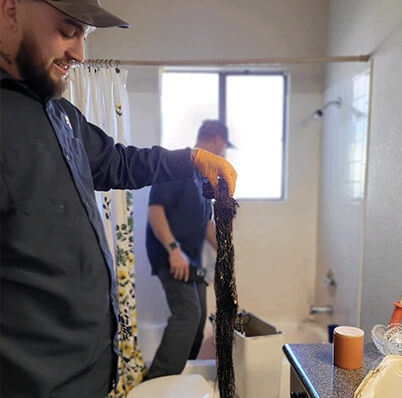
Plumber removing a long hair clog from a bathroom drain, demonstrating plumbing maintenance and emergency response.

A plumbing system is one of the most important components of a house. It delivers fresh water to the premises and removes wastewater with the help of drainage. When these functions halt, the household is sure to face undesirable consequences.

Plumbing issues are common due to various factors. Fixing these problems is a challenging and time-consuming task that is not suitable for everyone. Most importantly, not every situation will benefit from DIY repairs.

Hence, it is vital to hire experienced plumbers to work on the problems and avoid serious complications.

What are the dangers of plumbing repairs? 

Fixing plumbing issues is a dangerous task. It puts the technician’s life at risk, along with some health complications. Most commonly, natural gas leaks are the major contributor to such problems. Excessive inhalation can lead to life-threatening issues. Another common hazard is temperature and pressure. When a valve is faulty, it will cause the water heater to explode. High-temperature explosions can leave the technicians with burns and scars. In addition to natural gas and temperature changes, sewer gases like methane and carbon dioxide cause poisoning and asphyxiation.

Common plumbing problems & how to avoid them 

1. Clogged drains 

It is easy to spot a clogged drain or toilet. The water will back up instead of draining normally. In some cases, it may even overflow. Clogged drains are caused by small objects that block the pipe. These solid items include small toys, shampoo lids, or even hair. Since these items cannot move through, they may block the water in the pipe. People can use plungers to remove the clog. This simple tool is effective for both toilets and drains, as it creates suction to remove the solid item. Instead of plungers, people may even use plumbing snakes to dislodge blockages.

2. Leaking pipes 

The most common plumbing problem in households is leaking faucets or pipes. Dripping pipes result in the waste of both water and money. Each year 3000 gallons of water are wasted because of leaks. This problem is caused if the seal of the tap is damaged, dislodged, or even stiffened. Once damaged, the washer will not be able to provide a tight seal. As a result, small amounts of the water drip. To fix this issue, individuals should replace broken or deteriorated washers with the help of specialty tools. It is essential to contact a professional if the damage is extensive.

3. Water heater 

Another common plumbing problem is a faulty water heater appliance. People may notice dripping water, discolored water, or abnormal noise from the heater unit. These are the signs of a problem, and people should troubleshoot as soon as possible. Water heater problems are caused by mineral deposits that accumulate over time. This sediment will also cause strange noises regularly. In such cases, drain the tank and flush out the sediment. If the problem still persists, homeowners should call professionals to replace their water heater unit.

4. Low water pressure 

Depending on the cause, low water pressure will occur suddenly and get worse over time. People will find it difficult to take shower or rinse clothes with low water pressure. Therefore, the priority is getting the normal water pressure back. A water main break will affect water pressure and even cause leaks within the home. In such cases, people should check the water meter and check for leaks. If dirt build-up is causing the low pressure, unscrew the ends of faucets and soak them in vinegar overnight to remove the build-up. People can also install a filtration system to avoid mineral build-up in the future.

5. Running toilets 

There are many different types of toilet plumbing problems. But, the most overwhelming problem of all is a running toilet. It wastes water and causes strange sounds frequently. This problem is caused by a damaged flapper valve. Other potential causes include a loose-fill tube or imbalanced floats. In such cases, people should check each component and find the problem quickly. They should adjust the float and check the chain attached to the flapper. Ensure that there are no tangles in the internal tank components. People can buy toilet repair kits are available at home improvement stores.

6. Sewer line problems 

In simple terms, sewer lines take back the wastewater. And any problems in the function will lead to sewer clogs. People should call a professional plumber and clean the lines to remove blockages. In the worst-case scenario, the entire sewer line should be replaced.

Improve Your Home’s Air Quality with an Air Filtration System

You may not realize it, but your home’s air quality is incredibly important. Most people just assume that the air inside their home is clean and pure because it is produced by their air conditioner but the reality is – it’s often the exact opposite.  Without proper ventilation and air filtration, your home’s air quality could be dramatically impacting your health, as the EPA reports, “Americans, on average, spend approximately 90 percent of their time indoors, where the concentrations of some pollutants are often 2 to 5 times higher than typical outdoor concentrations.” It is important to have your air quality evaluated and/or have a professional install an air filtration system in your home if you are concerned about optimizing your air quality and your health.

One of the biggest ways having an air filtration system installed will impact your health is your breathing.  Whether you have allergies, asthma, or any other health concerns, the quality of your home’s air will heavily influence your ability to breathe easily and comfortably at home. There are different types of air filtration systems to meet your budget and unique needs.

The most efficient way to filter your home’s air is to install an air filtration system directly in your return-air ductwork. This type of filter passively traps particles so that air can pass through with far fewer contaminants. Home air filtration systems remove allergens, smoke, dust, contaminants, and other harmful particles, allowing cleaner air to pass through which will reduce respiratory issues significantly.

How to choose an air filtration system?

Installing air filters is essential to get a clean indoor environment. The pollutants from the outside will lead to many problems like respiratory troubles and allergies. It will also lead to a number of ailments.

Since air purifiers are the best way to clean indoor air, it should choose a filtration system capable of removing pollen and dust. This also helps to maintain a healthy environment by removing pet residues, ragweed, and mold spores. If people have allergies, they should buy machines designed for providing allergy relief. These machines will have more than one filters to remove allergens. Moreover, smoke purifiers can remove fireplace soot and other fumes that impose respiratory conditions. People with chemical sensitivities also get beneficial results with these specifically designed filtration systems.

When people are choosing air filtration systems, they should consider the square footage of their room. These machines can manage symptoms related to allergies and asthma when the household consists of patients. Moreover, evaluate the air change per hour rates to find out how much it can filter considering the entire volume of air in the space. Especially for asthma-sufferers, these systems would provide clean air with four times per hour than other systems. It also thoroughly cleans the air for removing any microscopic allergens collected from the outside. Hence, consider the air changes per hour size to find whole-house models.

Features

After evaluating the type and size of an air filtration system, they should pay attention to any special features. These unique features are vital for ensuring the best energy savings and utility bills. Make sure to visit any store nearby and talk with the salesperson. They can explain the features in details to help customers make an informed decision. For instance, the Energy Star-rated machines can help to save money and conserve energy. Moreover, people want filtration systems with smartphone features. This provides the ease of use to get real-time updates, including alarm indicators, remote controls, filter change indicators, and fan speed controls.

Installation factors

There are many ways to install air filtration systems. People may need purified air in many rooms. If they have to cater for the needs for patients, portable filtration systems are the ideal choice. Moreover, the convenience of investing in additional units in the room should also be considered. Hence, popular choices for air filtration systems must be evaluated. It ensures clean air for every room by working with existing HVAC systems. As a result, this machine can deliver heated air, cooling, and ventilation for the home. Research online to find installation factors and make a choice.

Maintenance

The primary type of maintenance needed with air filtration systems can ensure optimal performance for many years. Consult with professional technicians, depending on the size and type of a machine to find out maintenance needs. If necessary, consider prompt filter replacements for added convenience.

What to Do When Your Toilet is Clogged

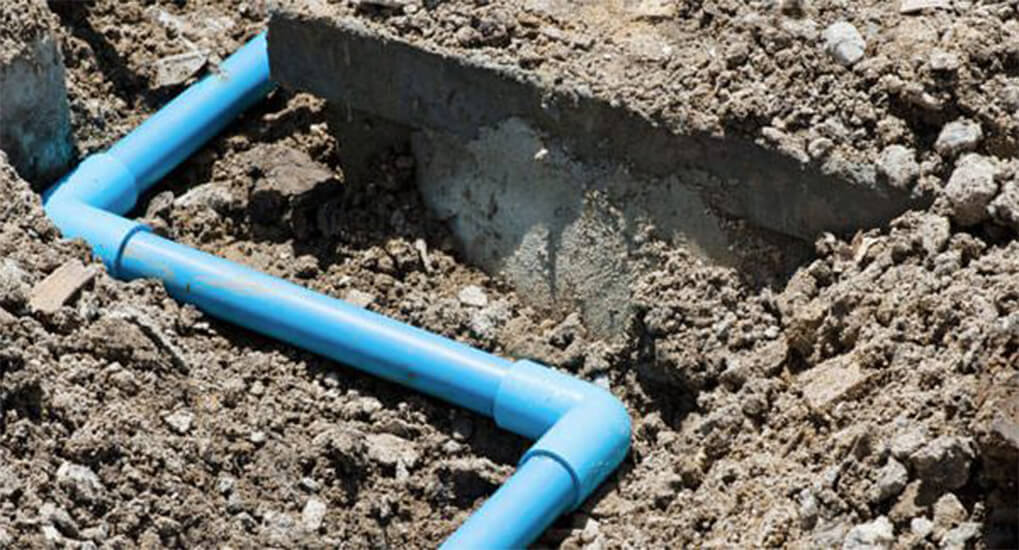
Blue PVC pipes installed in excavated soil, illustrating plumbing infrastructure for sewer line repair in Arizona.

Most of us probably don’t think too much about how nice it is to have a working toilet in our home, until that toilet is broken. Then, there is probably little else you can think about. When your toilet won’t flush, there could be a number of different things going on – some more significant than others. If your toilet won’t flush, there are a few things it may be and having a plumber inspect the issue is always ideal to ensure your toilet runs properly and you don’t end up with some very expensive and frankly, gross, issues down the line.

One of the most common reasons your toilet won’t flush is a clog. Whether its from too much toilet paper or flushing something that shouldn’t go in the toilet like feminine hygiene products, prophylactics, paper towels, wipes that aren’t rated as ‘flushable,’ or many other items – these things can quickly lead to clog that stops your toilet from flushing. In this case, a toilet plunger may be all you need to rectify the situation.

If it is a difficult or large clog, calling a professional plumber may be necessary to correctly fix the clog. A plumber has tools like an auger that can help break up particularly difficult clogs and restore proper flushing ability.  Dealing with a hard to fix clogged toilet? Let a professional do the dirty work so you don’t have to!

How to prevent toilet clogs?

Toilets are a fundamental part of every home. Only a very few people may attention to toilet problems. As a result, they suffer from disastrous problems in later stages. One most common toilet issue is clogging. There are several reasons for this problem to occur and the solutions are available as well.

Low power flow

Low flush toilets are an excellent way to reduce water consumption. This also helps to keep the utility bills as low as possible. However, low flow toilets cause problems by causing low water pressure. One way of preventing is lowering the flushing of toilet paper during flush. It will also greatly improve the efficiency of toilets as well.

Damaged drain line

The age of drain lines might affect its function. Regular disposal of waste products down the flush may also cause frequent clogs. Moreover, foreign objects like hair and debris also affect drain lines. It is essential to call a plumber as quickly as possible to repair sewer and drain lines.

Insufficient water

Water pressure is essential to flush wastes down the toilet. When the tanks are not filled with water, it may affect the flushing function, since there is no pressure to clear the bowl. Homeowners should make sure to check their supply values. The leaks in water lines may also cause this problem.

Hard water

Hard water calcifies and accumulates around the lines. It will become difficult to remove with time. The white substance narrows the gap between water and flushing lines. The mineral accumulation will also cause toilet clogs. An effective fix is to have a plumber check the lines and remove mineral sediments.

 S-traps

The s-shaped pipe in toilet bowels helps to remove sewer gases from entering the drains. The damaged S-traps may become susceptible to clogs. Homeowners should use plungers to clear minor clogs. Cleaning the drain lines may prevent expensive repairs as well.

 Blockages

Washing machine blockages and other water lines cause drains to clogs. For instance, the issue could affect the entire plumbing system, including faucets. It is essential to call plumbers and inspect drain lines when there is a blockage. They also pinpoint the blockage and use specialized techniques to remove sediments.

Foreign objects

When foreign objects are flushed down the bowel, it may get clogged in drain lines. People may flush down hair, toilet paper, and other objects. Some large items could impact the function of toilets. People should make sure not to flush any trash or other large objects. Households with children additional precaution, since they could accidentally flush toys and trash down the toilet. It could clog the entire system and lead to more extensive repairs.

Slow systems

Slow moving septic systems may stall, as they cannot move drains as faster as usual. When a home toilet is clogged, it is essential to pump septic tanks. Depending on the size of systems, the pumping may be required at every one or three years.