
Why Is My Water Cloudy: Top Reasons & What To Do About It

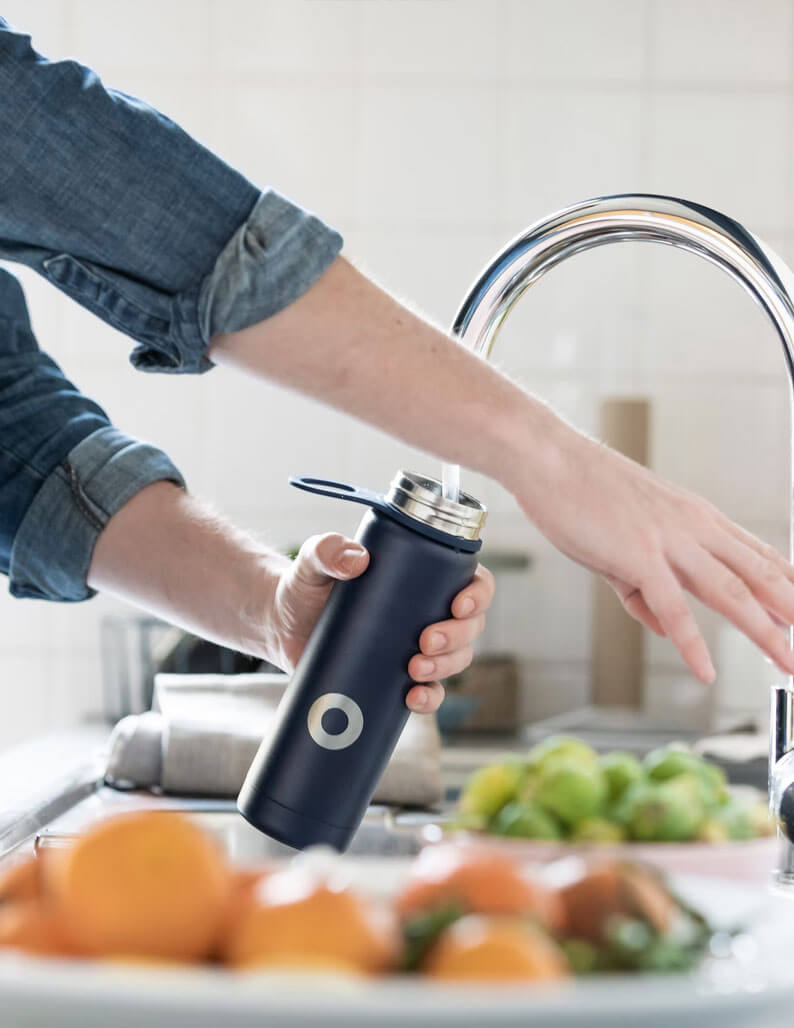
Person filling a reusable water bottle at a kitchen sink, surrounded by fresh fruits and vegetables, emphasizing clean drinking water and healthy living.

Every homeowner deals with plumbing problems at some point. Some plumbing problems are straightforward – for example: if there is a leak, you turn off the water, find the source of the leak, and then have the leak repaired. But, other plumbing problems can be a bit more confusing. If you have noticed that you have cloudy water coming out of your faucets, you may be wondering what is happening and how to fix it.

Cloudy water, also known as “milky” or “white” water, can have a few different causes. For this reason, it is important that you contact an experienced plumber to assess the cause and ensure it is properly repaired.  

Most Common Reasons for Cloudy Water

  1. Air bubbles: Sometimes, water appears cloudy due to the presence of air bubbles. This often happens when there is a sudden change in water pressure, such as when you turn on a faucet or flush a toilet. Although this can be understandably concerning at first glance, it’s usually not harmful and will clear up on its own within a few minutes.
  2. Sediment: Another common cause of cloudy water is the presence of sediment in your water. This can happen when there is a buildup of minerals or other particles in your water supply. Over time, this buildup can accumulate in your pipes and eventually make its way to your faucet. To fix this issue, you likely need to have your pipes cleaned (or if pipes are damaged, they may need to be replaced). Additionally, installing a water filtration system may help.
  3. Water temperature: If you notice cloudy water only when you run hot water from your faucet, the issue may be related to your water heater. Over time, minerals build up in the bottom of your water heater if not routinely drained and this buildup can cause cloudy water. Flushing your water heater can help remove these minerals and improve the quality of your water (and as a bonus, it extends your water heater’s lifespan and improves its efficiency).
  4. Chemicals: It is rare, but in some cases, cloudy water can be caused by the presence of chemicals in your water supply. This can happen if there is a nearby chemical spill or if your water supply has been treated with chemicals. If you think this is the case, contact your local water authority for guidance.

How To Fix Cloudy Tap Water

If you’re experiencing cloudy water, it’s important to determine the cause so you can take the appropriate action. An experienced plumber can help you identify the problem and provide guidance on how to fix it. Remember, your water supply is one of the most important resources in your home, so it’s essential to keep it clean and safe.
Digital Water Leak Detection: A Valuable Tool for Homeowners & Plumbers

slab leaks

digital water leak detectionEvery homeowner dreads the idea of discovering a water leak. Although when some small leaks are caught quickly the damage is minimal and a simple repair is all that is necessary. But, it can be hard to detect many leaks, particularly when they are under the slab of your home. When left undetected and untreated, water leaks can lead to costly repairs, extensive property damage, and even health hazards. Fortunately, modern technology has made it easier than ever to detect leaks early on, before they cause significant damage. Plumbers can use digital water leak detection to locate the source of slab leaks and repair them as quickly as possible to minimize damage.


What is Digital Water Leak Detection?

Some leaks are obvious but concealed plumbing leaks can be tricky to locate. Digital water leak detection is a technology that uses an amplifier to hear sounds that are typically associated with a leak. When a leak is detected, the sensors alert the plumber to the precise location of the leak, so that it can be fixed before it causes significant damage.


Why is Digital Water Leak Detection a Beneficial Tool for Plumbers & Homeowners?

Digital water leak detection is a valuable tool for plumbers because it allows them to detect leaks early on before they cause structural damage to the home. This ultimately saves the homeowner time and money. Additionally, digital water leak detection is a non-invasive and accurate way to detect leaks. Traditional leak detection methods, such as digging up floors or walls, can be expensive and time-consuming. Digital water leak detection is highly effective and accurate so plumbers can detect leaks without causing any damage to the home. If you are concerned about water leaks in your home or have noticed common signs of a leak but can’t determine the source, contact a reliable plumber who can use digital water leak detection to quickly identify and repair the source of the leak.

Understanding the Slab Leak Detection & Repair Process

slab leaks

slab leak detectionSome plumbing leaks are easily detectable nuisance that involves a simple fix. But others, like slab leaks, are harder to detect and demand expert professional plumbing repair. Although slab leak detection can be tricky, there are some telltale signs that something may be wrong and needs to be investigated. If you notice a sudden increase in your water bill, signs of mold and mildew, discolored drywall, discolored flooring, foundation cracks, musty smells, the sound of water running, or a wet/spongy feeling in your carpeting, it could be the result of a slab leak. 

Detecting a slab leak can be tricky and an inexperienced plumber without adequate knowledge and sophisticated tools can wind up causing quite a bit of damage in the process of leak detection and repair. Digital water leak detection is a sophisticated modern technology that works by using an amplifier to hear sounds typically associated with a leak. This enables your plumber to more accurately pinpoint the location of leaks, minimizing digs and damage associated with detection and repair. 

Once the source of the leak has been detected, your plumber has two options for repair. One or both options may be covered by your insurance depending on your policy and the cause of the leak.

Slab Leak Repair Options:

  • Demo & Patch
    • One option is to demo the concrete at the source of the slab leak, patch the pipe, and repair the area. The trouble is that this option is not always a long-term solution as the pipe may develop more leaks and the damage caused to your flooring may necessitate flooring replacements and other cosmetic repairs. 
  • Reroute & Bypass Plumbing
    • With this option, your plumber will reroute a new line through your walls, attic, or open ceilings, depending on your home and preferences. This option bypasses the old pipe and only results in minor drywall repairs.