What Are The Benefits Of Water Softeners In Arizona

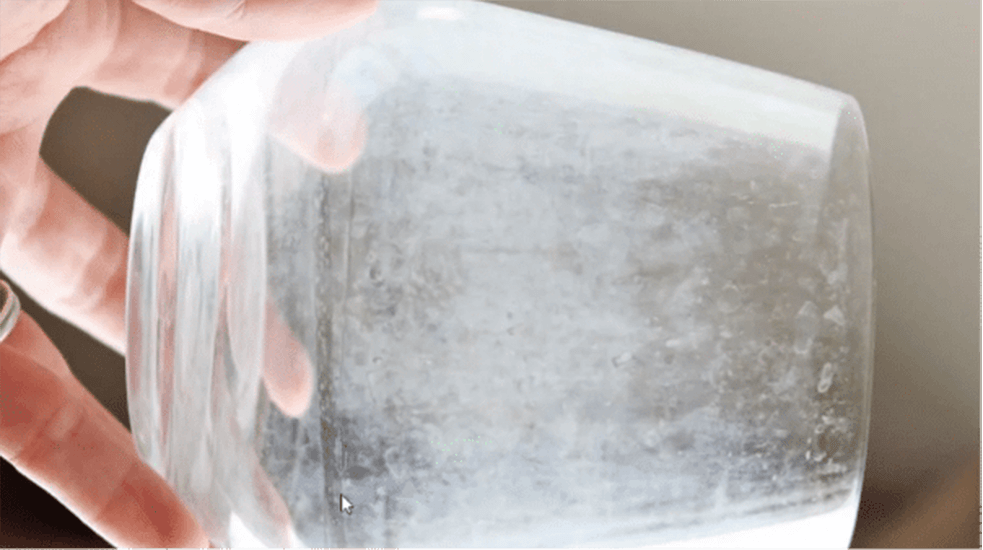
Hand holding a clear glass with visible hard water residue, illustrating the effects of hard water on household items in Arizona.

“From damaged hair to dirty laundry, hard water is hard on you. To make things worse, the majority of states have hard water, with many having “very hard water.”

The usage of a water softener is no longer a luxury in the Phoenix Valley; it is soon becoming a requirement. Although some minerals contained in our tap water systems are beneficial to our health, the fact is that the negative aspects of relying on regular tap water exceed any benefits.

Living in a hard water area can be harmful to your skin, hair, and plumbing. Hard water is water that contains a high concentration of calcium and magnesium. High concentrations of these minerals can create a yellowy residue in your sink, bathtub, and on your skin. The higher the calcium and magnesium levels in your water, the more film you’ll see throughout the house and the harder your water would be.

What Does a Home Water Softener System Does?

A whole-house water treatment system may change the mineral composition of the water as it enters your Phoenix home, basically doing a continuous water system repair day in and day out. Here are six significant advantages of having a water softener system in Phoenix that every homeowner should think about.

Healthier Skin and Hair

If you’re prone to washing with hard water, you might not understand how much softer your skin could be. If you walk out of the shower feeling dry and look for your lotion, or if you find your hair is dry and fragile, this might be due to hard water. We believe you owe an apology to your soap.

You may experience a deeper wash and lather with a water softener since no minerals or harmful chemicals are interacting with the soap particles or natural oils present on your skin and hair.

Improved Plumbing System

Water that is too hard to handle might be a plumbing problem. It produces scaly deposits within and around plumbing pipes and fittings. These deposits accumulate over time and can cause blockages, reducing the life of plumbing equipment.

Improves Ability to Clean

Put your hand up if you enjoy the white hard water spots that appear around your property. Whether it’s from the dishwasher, baths, or sinks, hard water produces a residue on many everyday products. However, it also makes laundry washing more difficult. Soft water systems can effectively remove soap from materials. This also implies that you won’t need as much soap to clean your dishes, clothing, or even your body in the shower.

YOUR ENERGY BILL WILL BE LOWER

The health advantages of having a water softener are considerable, but it may also save you money.

When weighing the benefits and drawbacks of water softeners, one of the key factors in the former checkbox is lower energy usage. For one, your water heater’s exchange effectiveness greatly improves with soft water. Secondly, you won’t need as much warm water in the shower to effectively clean your skin and hair.

LESS DETERGENT USAGE

Why should you use a water softener? One of the primary reasons is to improve the efficiency of your laundry machine. You’ll end up with stiff garments that aren’t as clean if you use hard water. As a result, you have to use additional detergent and fabric softener.

One of the advantages of a water softener is that its product lathers much more easily with detergent, saving you up to 50% of your soap.

FRESH DRINKING WATER

If you’ve ever had an earthy taste in your tap water, it might be due to hard minerals and strong metallics in your water supply. When you fill a glass, you may notice a foggy or muddy appearance—this is also a symptom of hard water.

When it comes to drinking water, everyone has a different taste and preference. Many people choose soft water over hard water because it is free of minerals, fluoride, chloramine, and other additions that might affect the flavour, cleanliness, or sharpness of the water.


WHAT ARE THE SIGNS OF HARD WATER?

It’s fairly common, yet most people are unaware of the consequences of hard water until now. As you get more aware, try to spot any of the following indicators when doing the dishes, laundry, cleaning the bathroom, or having a shower:

Watermarks and residue are left on faucets or the interior of your dishwasher.

Severe lime and chalk accumulation on sinks and showers.

White clothes that seem dirty or colours fading fast

A strange smell or flavour comes from your tap water.

After a shower, you may have dry skin, hair, or itching.

Low water pressure.

Continuous appliance maintenance.

If you are experiencing any of these problems, a water softener may be the answer for you.


WRAPPING IT UP

There are several advantages to installing a home water softener. From cleaner clothing, softer, more moisturized hair and skin to longer-lasting pipes and appliances, there are many advantages of using a water softener at your home. So, consider installing a home water softener today.
9 Things To Consider When Hiring A Plumbing Contractor

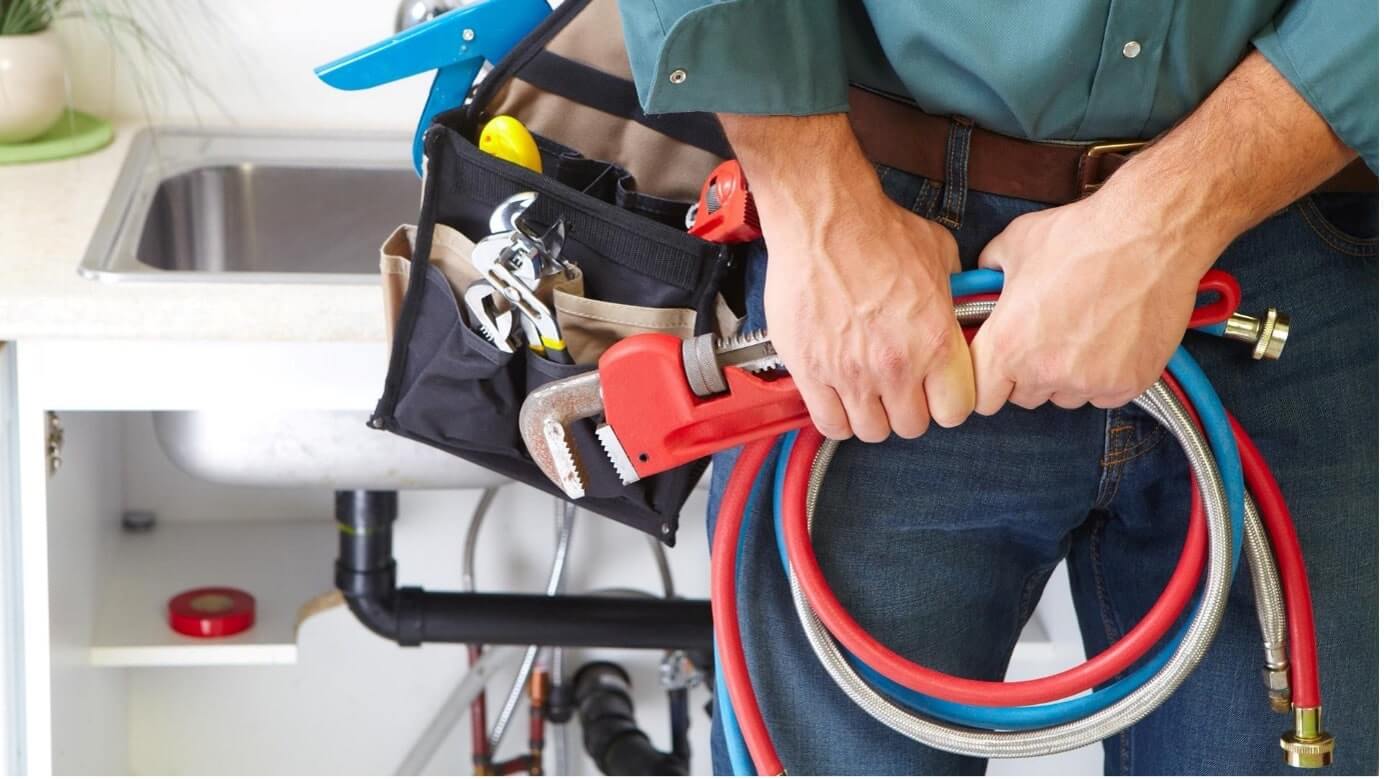
Plumber holding red and blue hoses and a wrench, ready for emergency plumbing repairs under a kitchen sink.

“If you’ve ever heard horror tales of incompetent plumbers destroying someone’s plumbing system, you understand how essential it is to pick an experienced and trustworthy plumbing expert.”

Trying to do a home plumbing task on your own may be complicated, which is why hiring a professional plumber is a smart choice. After all, several plumbing blunders may be made when attempting to do it yourself. If you want to hire a plumber, there are a few things you should keep in mind.

HOW TO FIND A REPUTABLE PLUMBING CONTRACTOR?

Finding a plumber is not complicated; a single Google search will give you dozens of choices in your region. However, sifting through a sea of plumbers to find the best one for the job is difficult. Before deciding to hire a true expert, consider the following points.

QUALIFICATIONS

To be a good plumber, one must have the essential abilities and extensive knowledge to deal with the most common plumbing issues that people encounter. The essentials can be mastered along the process, but to become an expert in plumbing, one must have adequate training or education.

LICENSE

Always check to see whether the plumber is licensed, as using unlicensed professionals is against the law in most states. Hiring an unauthorized plumbing contractor might result in arrest or accountability if an injury occurs on your premises, even if you were uninformed of their licensure position. Simply asking the plumber if they have a license may not get you a direct answer. As a result, you must properly check it on your own. Get in touch with your state licensing agency before hiring a plumber to make sure they have a legal license.

INSURANCE

If you have someone working in your house, you should make sure they are insured. If something goes wrong at work, they will have insurance to cover the damage or issue that happens. Furthermore, plumbers who take the effort to obtain insurance provide a higher degree of quality in their job. When you’re looking around for plumbers, don’t be afraid to ask if they’re insured. In addition, most reputable plumbers will disclose their insurance and credentials on their website, making it easier for you to locate them.

EXPERIENCE

When comparing plumbers, you should also inquire about their experience. You’ll get better outcomes if you hire a plumber with a lot of expertise.

A new plumber may lack the experience to handle new challenges or difficult repairs. The plumber should have been in business for quite some time. Speak with the representative about the start-up of the plumbing company.

TOOLS

It is hard to achieve great results from a plumbing task on time without the proper equipment. Regardless of how skilled your plumber is, a lack of vital equipment might bring the task to a halt, or at the very least result in shortfalls and inconveniences. Always check if your plumbing contractor has the necessary tools and equipment for your plumbing repair project, especially if you have modern fittings, valves, etc.

REVIEWS AND REPUTATION

With the help of the internet, you can find out everything you need to know about any company out there, from customer reviews to what other people think. Once you’ve found a company you want to work with, do some research and read some reviews. This will allow you to learn what actual customers have to say about these specialists, allowing you to decide whether or not they are a good fit for you. If you come across a plethora of negative reviews on a particular company, you’ll know they’re not the best option for you to choose.

COMPARE PRICES

A good plumber should come to your house and give you an estimate for the task.

Before you hire a plumber to do work in your home, think about getting a few different prices. You need to compare prices with other plumbers you’re thinking about hiring. Consider what needs to be fixed when comparing quotes. Do the charges match the work and materials required?

Pro tip:Never employ a company that provides you with an estimate without even inspecting your house. The plumber will have no clue what work has to be done or what materials are needed.

CHOOSE AN ESTABLISHED COMPANY

Another significant element to consider is the experience of the plumbing business. Consider a well-established company, such as a plumbing company that has been in business for many years. Even though every business has to start somewhere, plumbing issues might get problematic and compromise the value of your home.

SIGN A CONTRACT

Duplicate the contract in case you need it later. Make sure that the new contract has all of the important information. Avoid accepting verbal contracts since it would be difficult to make a case with them if something went wrong later on.

The timetable or expected time of delivery should also be included in your contract. Make sure that they will complete the task on time, as specified in the contract. If the duration of time required to finish the repairs changes, they should notify you first so you know what to do.

When you go through this checklist and apply each step when selecting a plumber, you will have a higher chance of finding a trustworthy and depen

How to install a tankless water heater

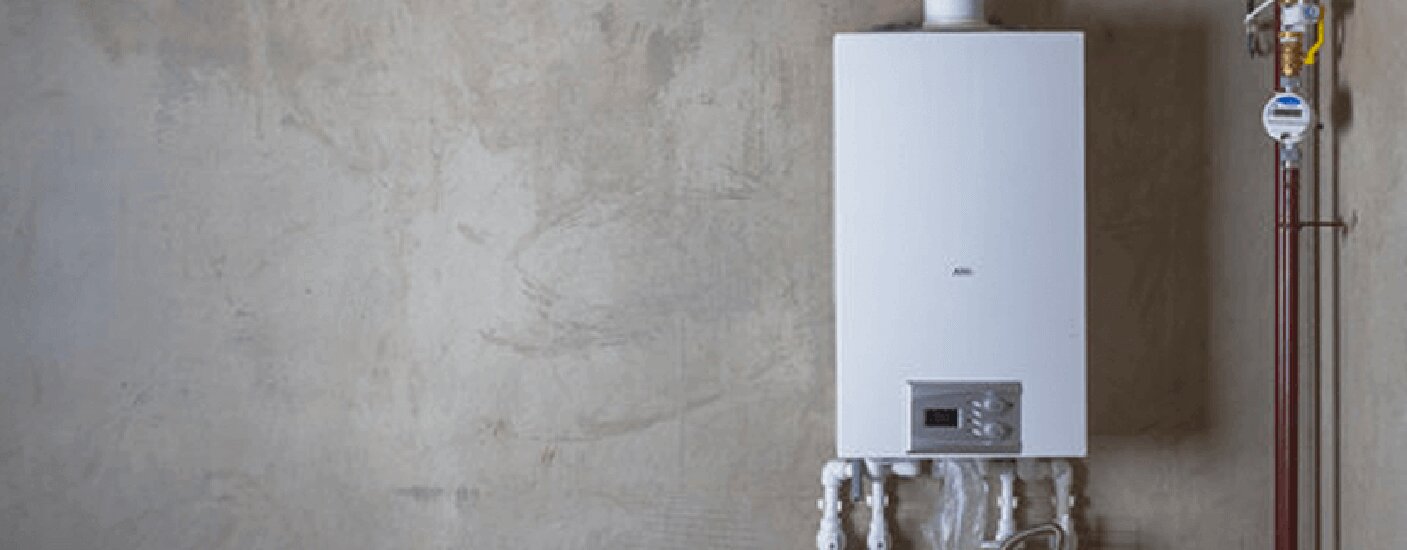
Tankless water heater mounted on a wall, showcasing energy-efficient design and plumbing connections, relevant to installation guide for homeowners.

7 steps guide to Install a Tankless Electric Water Heater

“Tankless water heaters are popular among homeowners for several reasons. First, it is an efficient way of supplying warm water to their homes. It also takes up less space and contributes to lower utility bills.”

It’s a tankless job, but it has to be done. All joking aside, installing a tankless water heater is a serious task that needs closer attention and some technical knowledge. After all, you’ll need to know numerous codes as well as the proper parts to use. Consider hiring a plumber if you don’t feel up to the task. HOW TO INSTALL A TANKLESS WATER HEATER?

HOW DO YOU SET UP A TANKLESS WATER HEATER?

We understand how expensive it may be to install or replace tankless water heaters. It is possible to install your unit, but we must advise you to proceed carefully. You should only try this if you have extensive experience working with water lines and electrical systems. If your tankless water heater is installed incorrectly, you might face severe damage.

This article will walk you through the process of installing a tankless water heater.

Turn off the circuit breaker and the water supply

Before you initiate the process, turn off the circuit breaker to ensure that the electric wires are not switched on while you work.

The water supply should also be shut off at this time unless you want parts of your home to flood when you replace your old water heater with a new one. Remember that flooding may cause expensive damage, therefore the first step on this list is the most crucial.

Drain Your Old Heater Before Disconnecting It

If you have a tank-type water heater in your house, you will need to drain it before installing a new one. This will require the use of a hose and a container, such as a bucket.

Before removing the old wiring and wall-mounting brackets, loosen the connecting pipes. Throughout this process, make sure not to damage the old wiring or pipes. If they are, they will have to be entirely replaced, which will add to the project’s duration and costs.

Install the Water Heater

The unit will then need to be placed on a wall. Make sure your water heater is not placed in a messy or filthy part of your home. Having said that, you must have quick access to the unit in case of an emergency. Installing the water heater is straightforward and may be done with a combo of screws and the standard mount. Follow the instructions that came with your unit.

Connect the Unit to the Power and Water Supply

Rinse the dirt out of the cold water supply line. Then connect the water heater outlet to the warm water line. Attach the cold water line to the cold water inlet.

Screw all of the connections on both sides of the heater and turn on all of the hot water taps for 5 min. If you didn’t spot any leaks, continue with the instructions below to connect the unit to a power supply.

Connect the breaker with a black and red wire. However, before connecting the wires, turn off the power to the heater using circuit breakers.

Run the power connection from the circuit breaker (in the central electrical panel) to the water heater by using a wire gauge. Connect the cable to the unit’s block terminal. After fixing each connection, screw in the front panel of your heater.

Bleed the Hot Water System

The water heater must be connected and completely installed at this point in the installation procedure. However, you’ll still want to do the bleeding process before you turn the hot water system on. Each hot water outlet in your house must be opened to help remove any air from the system. Leave these outlets open for several minutes, and then the bleeding should be stopped.

Inspect Electrical Connections Before Attaching Cover

You must check the electrical connections to your water heater to protect your safety and the safety of everyone in your family. Ensure that these connections are correctly wired and connected to the correct terminals. The cover should then be reattached using all of the previously removed screws. The installation is almost complete once the cover has been properly fitted on the unit.

Check the Temperature and test Outlets

Once you’ve turned on the water heater, you’ll need to set the system’s temperature settings. These units can get very hot when set to their highest settings, so it’s best not to use them to prevent burns. At this step, you should test all hot water outlets in your home, including taps, showers, dishwashers, and laundry washers, to ensure that the temperature is suitable and that the water warms up fast. If the water becomes too hot, you should lower the temperature settings.


WRAPPING IT UP

If you go into a task without the proper tools or a knowledge of the work that needs to be done, you’re likely to face problems that will cost you both time and money.

Since tankless water heaters use much less energy and are portable, you should experience this device. Furthermore, if you are unwilling to get a professional to come set it up due to the tankless water heater installation cost, you may do it yourself by following this guide.

FAQ About Whole Home Water Filtration Systems

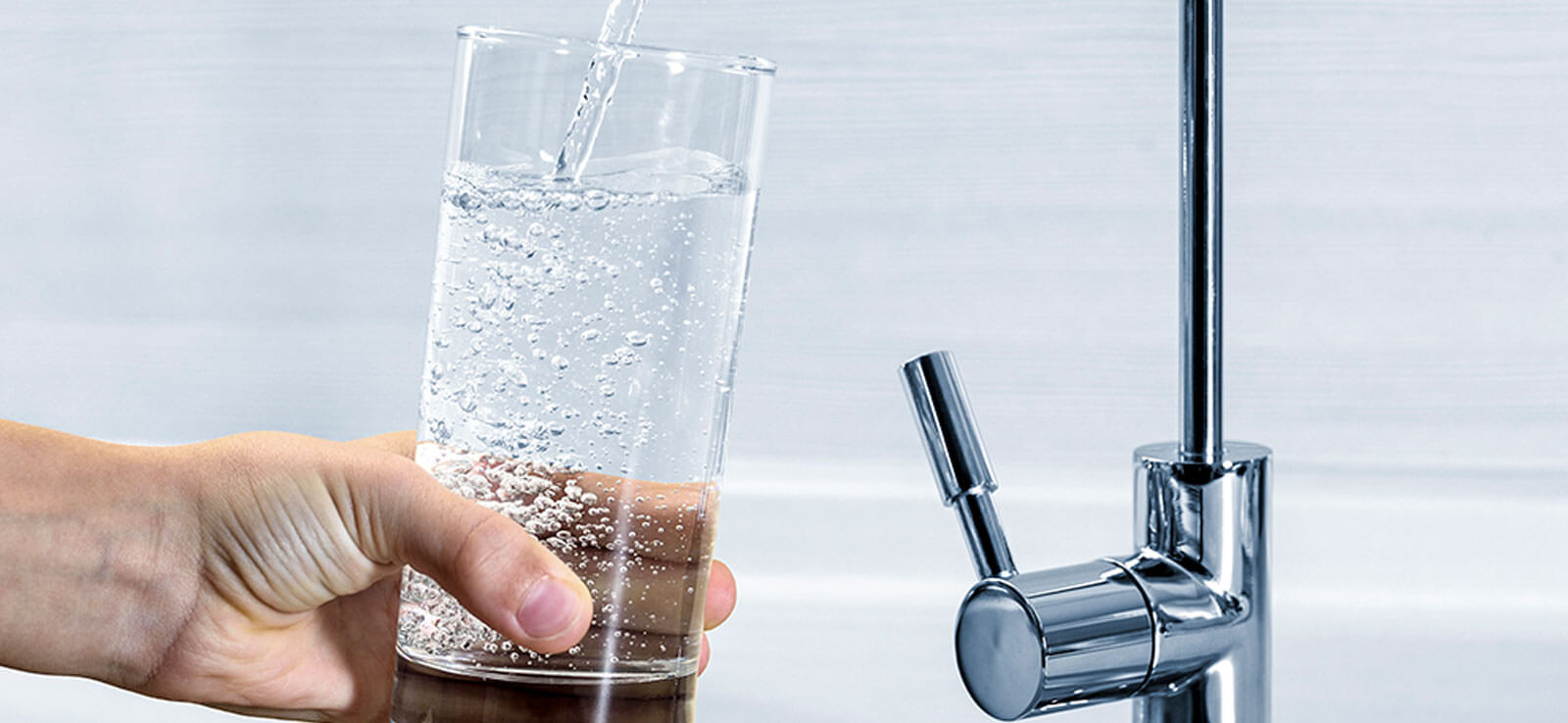
Hand holding a glass of filtered water under a modern faucet, illustrating the benefits of whole home water filtration systems for cleaner drinking water.

We all want cleaner drinking water and if it can be easily accessible in our own home – even better!  Drinking an adequate amount of water each day is an essential component of optimal health but buying bottled water is expensive and impractical, not to mention wasteful. Installing a whole home water filtration system transforms your water by filtering harmful contaminants before it ever comes out of your pipes so that you only drink and use filtered water at all times. Many people are unfamiliar with whole home water filtration systems, or mistakenly assume they are the same thing as a reverse osmosis water system but they are not. So, below we take a closer look at some of the FAQ we hear about whole home water filtration systems to help you have a better understanding of this highly useful home upgrade.

FAQ About Whole Home Water Filtration Systems

  • What Do Home Water Filtration Systems Remove?
    • Every system is different so it is important to do your research to determine which system is ideal for you. Depending on your water filtration needs and the system you choose, your water filtration system removes water contaminants and impurities (heavy metals, lead, pesticides, arsenic, chlorine, rust, volatile organic compounds, radon, and more), minerals, bacteria, and even viruses.
  • How Do Water Filtration Systems Work?
    • Water filtration systems should be professionally installed to ensure they function properly. They are connected to your home’s main water supply so that any water entering the home must first pass through a filtration process. This can extend the life of your home’s plumbing while providing water that is better tasting and better for your health.
  • Do Water Filtration Systems Require a Lot of Maintenance?
    • Maintaining your water filtration system is fairly easy – simply replace your system’s filter every 3 months, 6 months, or 1 year (depending on your specific system).
  • What is the average lifespan of a home water filtration system?
    • Depending on where you live, the quality of your local water supply, how well you maintain your system, and the specific water filtration system you purchase, your whole home water filtration system should last 6-10 years.


What You Need to Know About Home Repiping

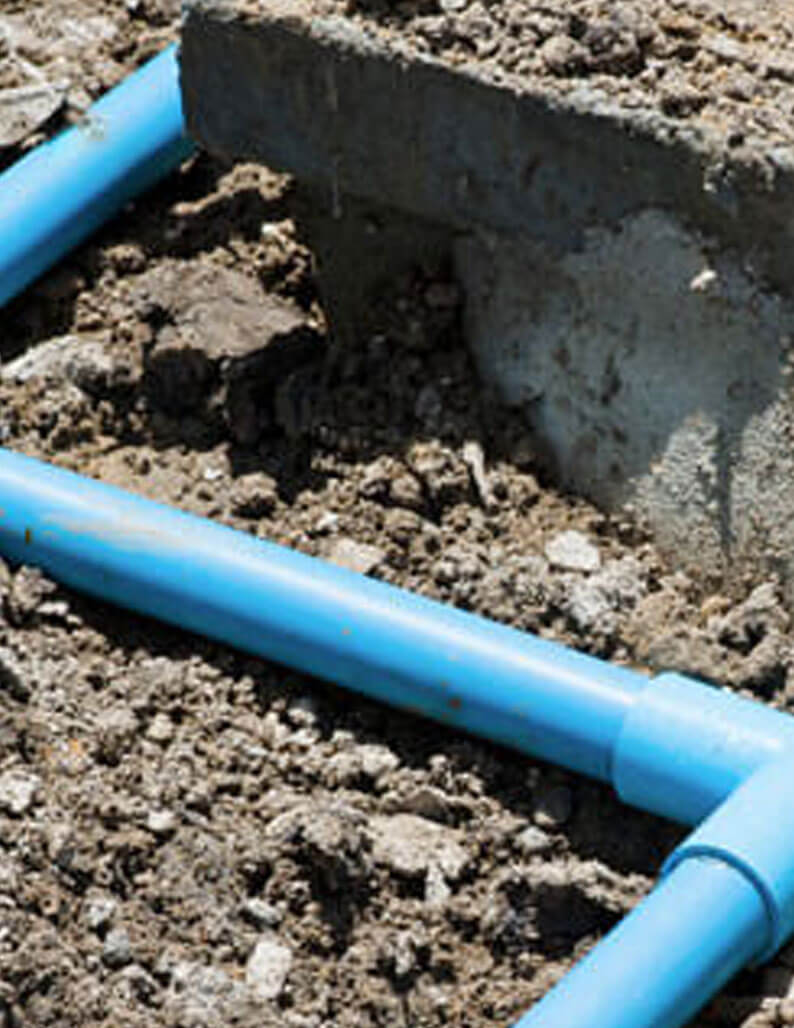
Blue PVC pipes laid in soil, illustrating plumbing installation for home repiping, relevant to plumbing maintenance and repair topics.

Staying on top of general maintenance and repair when you own a home can seem like a full-time job. Owning a home is a great investment but if you do not take care of it and complete any necessary repairs when they arise, it can diminish the value of your home and ultimately cause a lot of very costly and frustrating problems. Plumbing repairs are a common occurrence when you own a home but a less common occurrence is needing to completely repipe your home.

When it comes to home repiping, most homeowners probably don’t even know what telltale signs to watch out for. The first consideration should be the age of your home and plumbing. If your home was built before 1986, lead pipes may have been used which can contaminate drinking water and be hazardous (though not all construction used lead so you would need to consult a plumber to determine. If your home was built before 1970 and has the original plumbing, you most likely need to replace your pipes because the materials used may be hazardous and the pipes have most likely begun to corrode or become damaged. Other common signs your home needs to be repiped include exposed pipes, obvious signs of corrosion or damage, water discoloration, frequent leaks, noise coming from your plumbing, problems with water pressure, and odd water taste or smell.

If your home needs to be repiped, you will need to have a professional licensed plumber provide an estimate and plan for your home repipe. You will likely need to move out of your home while the work is being completed because the water service will be shut off during a repiping. Additionally, there tends to be quite a bit of demolition and home repair that needs to take place with home repiping because pipes are often concealed in walls, flooring, ceilings, and more. Typically, a home repiping takes anywhere from 2-7 days but may be longer depending on the amount of demolition needed, the size of the home, and other factors.

Apartment Plumbing Maintenance

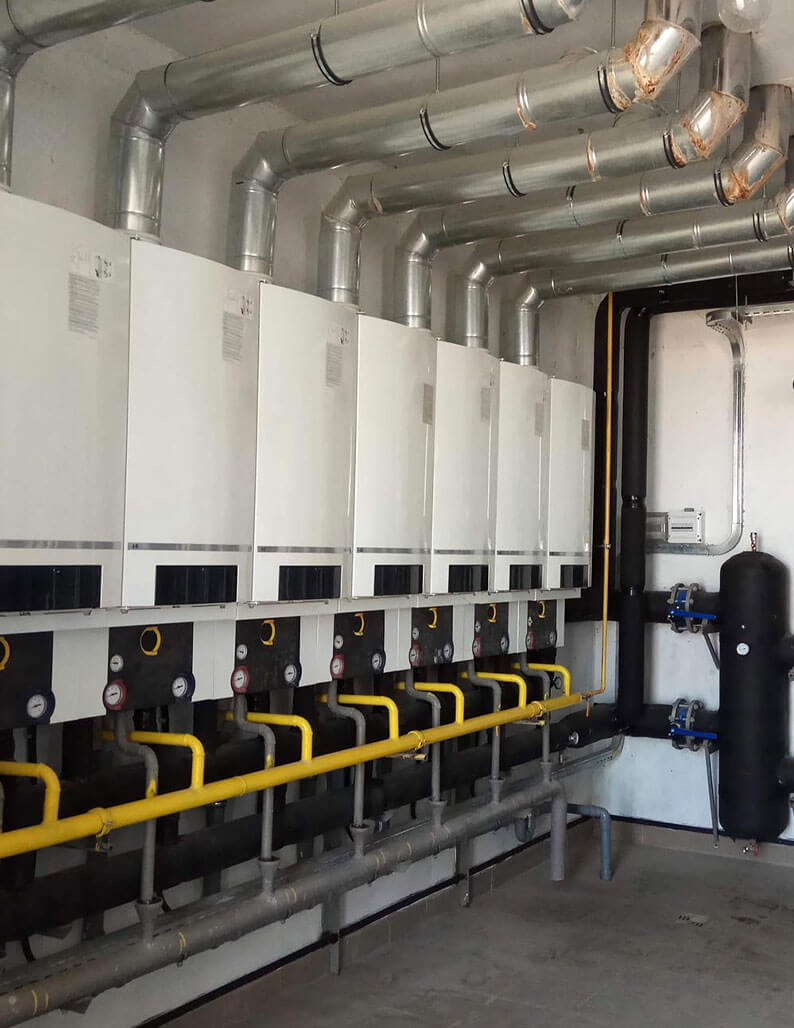
Apartment plumbing system featuring multiple water heaters, gas lines, and piping for efficient maintenance in multi-family housing units.

Managing the proper upkeep and necessary maintenance of multi-family housing units and apartments is a full-time job. It can start to seem like there are constant repairs. One of the most important aspects of apartment maintenance is plumbing maintenance because plumbing problems can quickly grow into costly repairs and your tenants will certainly not be happy about having plumbing issues. Plumbing maintenance and repairs should be conducted by someone that is experienced in multi-family housing units and that is also licensed, bonded, and insured so that you can have peace of mind that repairs are done correctly the first time.

When selecting a plumber for your apartment complex or multi-family housing building, you want to choose a plumber that can not only maintain and repair plumbing but one that is available to you in the event of an emergency. The last thing you want to do when you have a plumbing emergency is wait – it is not only an inconvenience, it can lead to additional costly damages if your plumbing is not quickly repaired.

Common Multi-Family Building & Apartment Plumbing Needs:

  • Malfunctioning water heater
  • Plugged sewer line
  • Flooding
  • Video Camera Inspections
  • Damaged water line
  • Clogged drain or garbage disposal

Often, when you or a tenant notice a plumbing problem, it is a symptom of a larger problem with plumbing that you cannot see. When you have apartment plumbing maintenance or repair needs, contact an experienced plumber that can assess your plumbing needs and handle the job quickly and correctly.


3 Benefits of Residential Fogging Systems

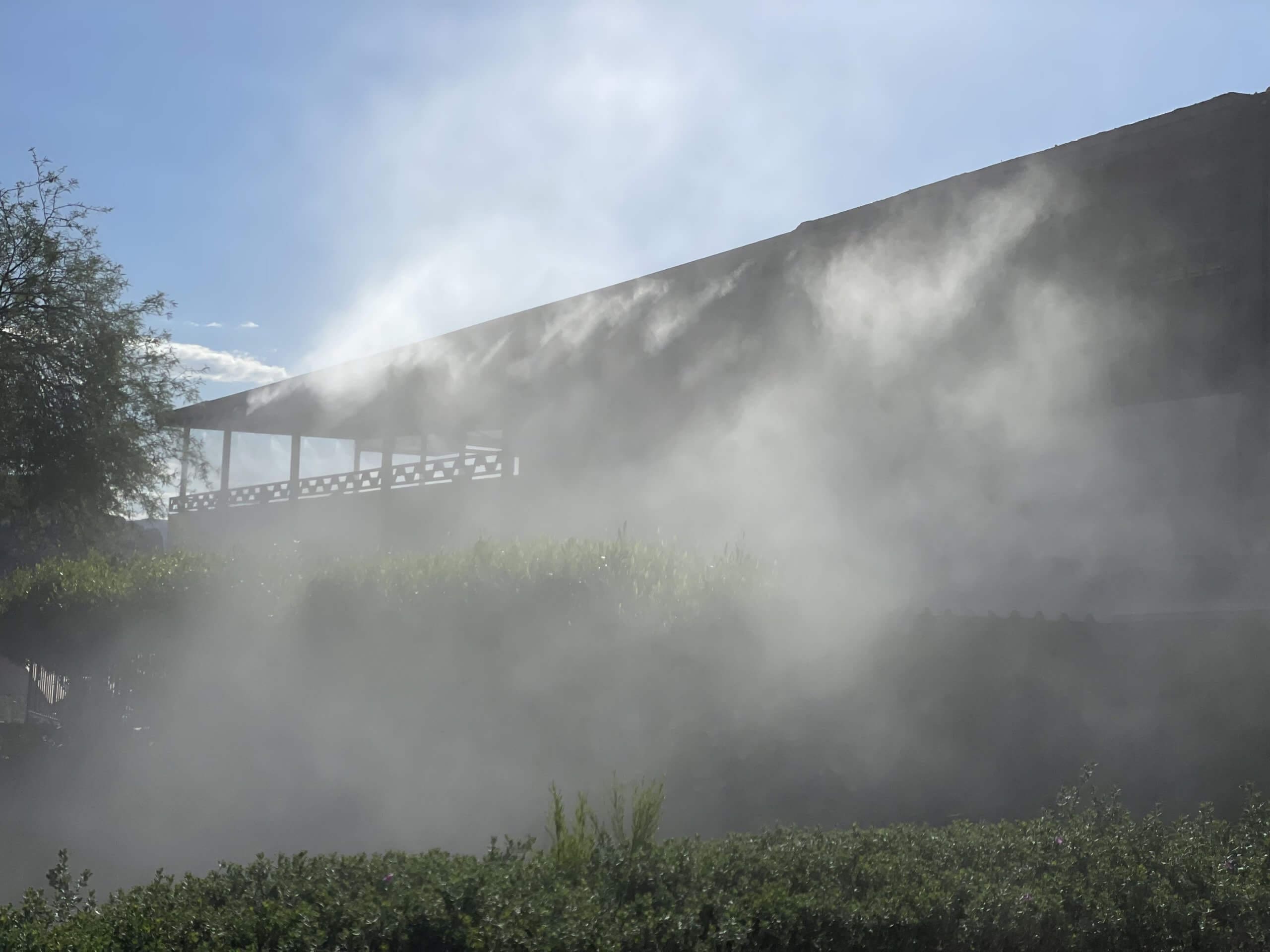
Residential fogging system creating a mist effect around a building, enhancing landscape aesthetics and promoting serene outdoor environments.

If you have ever been to a resort or restaurant where there is a subtle yet beautiful layer of fog weaving its way throughout the landscape or cascading down a water feature, you know just how beautiful and serene it looks. The same effect can be applied to your home landscape with a residential fogging system. Residential fogging systems work in a very similar way to a misting system and are often installed alongside a misting system. A fogging system does not only enhance the beauty of your landscape, it offers various benefits to your backyard landscaping and lifestyle.

3 Benefits of Residential Fogging Systems

● Fogging Systems Humidify & Cool Air

Fogging systems, similar to misting systems, distribute microscopic droplets of water and evaporate in the air which creates fog. The fog actually lowers the temperature of the air which you, your children, your pets, and your landscape will love. And, because it naturally humidities the air, your plants will enjoy a more beneficial environment in which to thrive.

● Fogging Systems Reduce Dust & Allergens

Fogging systems naturally humidify the air and because it is distributed close to the ground it reduces the amount of dust and allergens that get distributed from the ground into the air. This helps your landscape look more beautiful and comes in very handy if you or anyone in your family suffers from allergies.

●  Fogging Systems Enhance Landscape Beauty

What could look more beautiful and alluring than a thin layer of fog flowing down a fountain or weaving throughout your landscaping? It not only keeps your landscaping more healthy but truly creates a more beautiful atmosphere in your landscape.

6 Tips to Hiring Good Plumbers for Your House

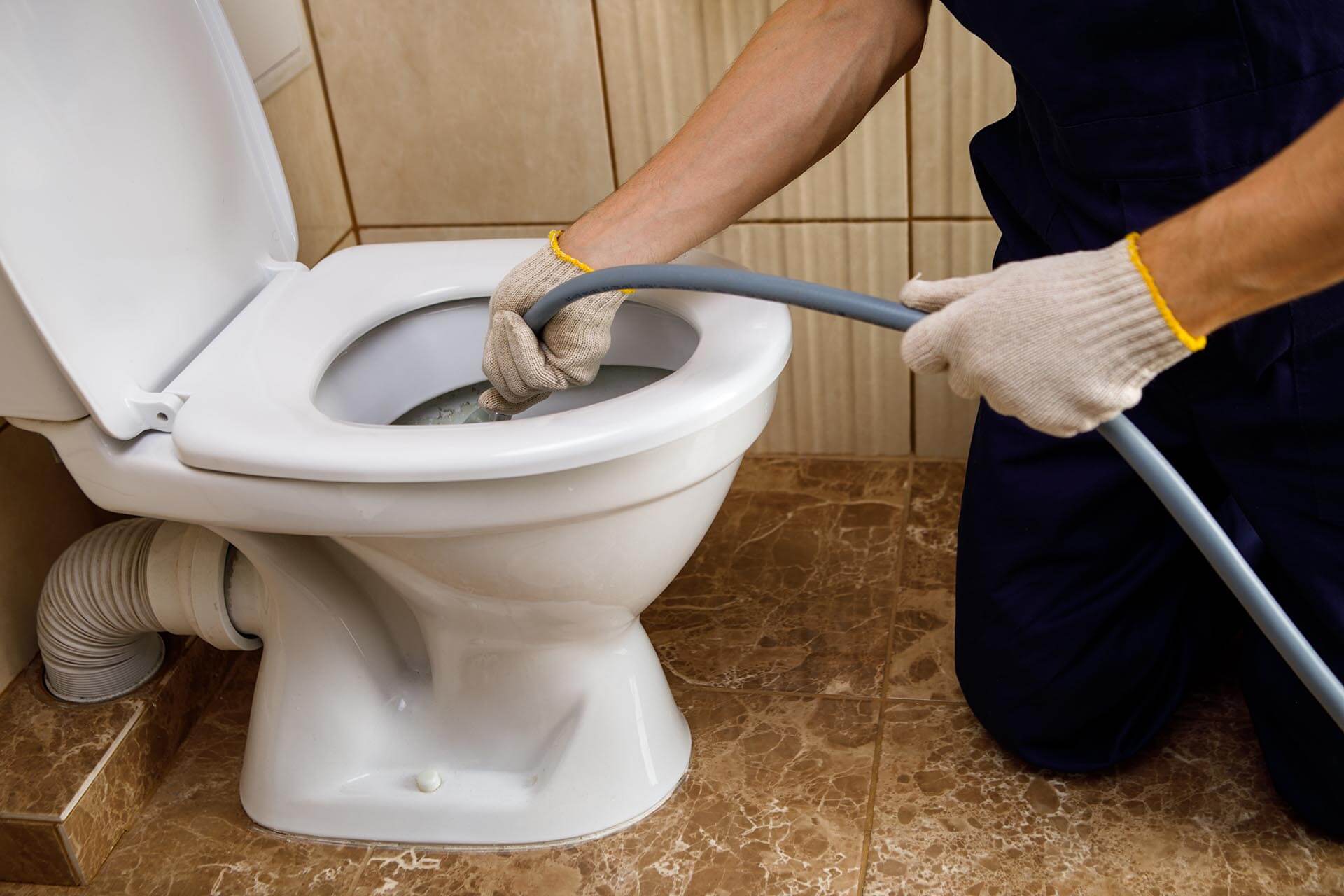
Plumber using hydrojetting technique to clear a toilet clog, emphasizing professional plumbing services for effective solutions.

Plumbing systems are vital for every household. It distributes fresh water throughout the premises and removes wastewater. Therefore, any problems in the plumbing system will lead to disastrous consequences. In such situations, people need to hire experienced plumbers instead of performing DIY repairs. These professionals will resolve plumbing issues as quickly as possible to avoid any risks of expensive damages. However, finding good plumbers is not an easy task due to an overwhelming number of options. Ideally, homeowners can consider a few factors to choose a reliable plumber for their needs.

What are the benefits of hiring professional plumbers? 

People should always opt for plumbers when they are experiencing trouble. Most DIY repairs often result in disastrous outcomes. People end up spending more money on the repairs than they can afford. Furthermore, some jobs should be handled by professionals to provide the best possible outcomes.

Equipment 

Plumbers are equipped with the latest tools and materials. They know how to use the equipment and finish the job with minimum effort. These top-notch tools make the repairs more efficient. They also have the skills to resolve complex problems with ease. This is the most important reason to hire plumbers.

Advice 

Most homeowners are not properly knowledgeable in piping networks. Professional plumbers undergo training to specialize in these systems. This makes them the better candidate for these repairs. Intensive training is essential to fix the plumbing issue with precision and even provide suggestions for countermeasures.

Experience 

In addition to theoretical knowledge, experience is another reason to hire plumbers. The years of expertise and successful track record can resolve even the toughest of problems. This makes choosing professionals the best option to save money. They even avoid spending much money in the long run.

Professionalism 

Reliable plumbers follow all ethical codes towards solving the problem. They have a high completion rate for each task. This service gives peace of mind for homeowners, as it helps to protect their valuable investment. Therefore, people can focus on other commitments than worrying about plumbing repairs.

Surety 

All reputed plumbing services offer guarantees for their works. This avoids the need to spend on any repairs in the future. Plumbers solve the issue without charging any extra money for a given period of time. The guarantee also ensures that the repairs will last for many years without any issues.

What are the tips for hiring plumbers? 

Since hiring a plumber is an important decision, one should focus on getting the best value for the money. Failure to hire a highly experienced professional may result in costly repairs or problems in the future. People should consider the following tips to hire a highly qualified plumber for their home.

  1. License 

Every state requires a plumber to get the license. Working with unlicensed professionals is considered an offense in some states. Moreover, people could end up with shady plumbers who are not qualified or experienced. Hence, people should check the licensure of the plumber.

  1. Insurance 

All plumbers should be insured in every situation. Insurance will protect the homeowner from any expensive bills in case of injuries or accidents. People can ask about insurance details from a prospective plumber. If they fail to produce any details or hesitate to respond, it is essential to steer clear of that option.

  1. Pricing 

Plumbers will evaluate the piping system and provide estimates for homeowners. People should get at least three estimates from different providers. It is essential to compare the estimates. Make sure to opt for the reasonably priced quote to avoid spending excessively on repairs.

  1. Warranty 

Homeowners should avoid working with plumbers who fail to provide warranties. Reputed plumbers should provide guarantees for their works and the parts they restore. Many warranties provide coverage for more than a year. This is vital to avoid any expensive bills in the later stages of the component lifetime.

  1. References 

Experienced plumbers should be able to provide lots of references. Homeowners can contact these references and ask about the quality of their repairs. References are also essential to know about their communication demeanor and response time. If an agency fails to provide references, people should consider other options.

  1. Length of time 

Homeowners should consider how long the plumber has been in business. A larger company will have many years of experience. They employ any trained plumbers for the job. Businesses reputed for several years will have a proven record of quality work. These plumbers offer the best value for the money.

Things to Know Before Starting a Plumbing Project

Person using a wrench to tighten plumbing pipes, illustrating essential plumbing maintenance and repair skills for homeowners.

The home’s plumbing is essential to maintain living standards with the ideal level of comfort. When the distribution of water is interrupted, it will lead to many disastrous problems that may stay for a long time. People won’t be able to shower or wash their clothes when there is no running water. Especially in reconstruction, plumbing systems are responsible for many activities. A well-installed plumbing system will provide water of the precise temperature and pressure with just the press of a button. As a homeowner, one should have a basic understanding of these plumbing systems.

What are the different components of a plumbing system?

Each household plumbing system will consist of different components. Each of them serves a definite functionality to supply water to the household. Any problems in these components will result in a costly breakdown.

Pipes 

The pipes form the skeleton system of household plumbing. Pipes transport water from the mainline throughout the home. They may also connect individual parts to the main fittings. Plumbers will change the angles of each fitting to ensure the best use of the space. In smaller houses, maneuvering the fittings helps to keep the project within the budget. Fittings also enable plumbers to change the pipes to fit the walls, ceilings, and floors. Every plumbing system will consist of pipes and fittings. In some houses, they have two sets for hot and cold-water supply. These pipes are made using copper, brass, or PVC materials.

Fixtures 

As pipes distribute water throughout the home, fixtures enable people to access water with ease. It includes kitchen sinks, showers, water heaters, dishwashers, or bathroom sinks. These fixtures are available in different varieties. People can choose fixtures for their homes based on the price or material type. In addition to buying factors, there is also a need to consider handle type and placement. Some fixtures will provide water with the turn of the handle. Others have a button that needs to be pressed for water. Based on convenience, homeowners can choose between any of these systems.

Drainage 

Since water travels throughout the house, it needs a place to go outside. This is why the plumber installs a drainage system. Without proper drainage in place, the wastewater would flood the house within minutes. Each fixture needs to have its own drain and each of them is connected to the sewer line. Otherwise, the problem would be messy and smelly to deal with. There are other complex systems in place. Based on the size of the property, the size of drainage lines will also vary. Plumbers will provide suggestions to homeowners based on their needs and ensure the optimal flow of water.

What are things to consider about plumbing systems?

Bathroom renovations 

Upgrading or remodeling a bathroom is an extensive task. People should find out whether the existing systems can handle changes or additions. It could become a problem when they fail to apply for permits. Plumbers will help to avoid such issues by addressing zonal regulations. Hot water is essential for every home and the existing heater application should handle the capacity of new plumbing fixtures. Moreover, homeowners should consider water pressure before starting a renovation project. Plumbers will perform the necessary calculations and decide the optimal supply of hot water required.

Kitchen remodeling 

The kitchen space also needs an adequate supply of water as well. From dishwashers to water dispensers, plumbing systems are crucial for a fully functional kitchen. When redesigning, homeowners may consider relocating the dishwasher or sink based on their convenience. For renovation projects, people should check for wear and tear in their pipes and replace them properly. Inspecting the conditions of the fixture connections is also essential to avoid any problems in the future. Values and other plumbing components further require replacement. New appliances may need a new connection as well. Homeowners must consider this before buying a new dishwasher or refrigerator.

Laundry room 

Lastly, most homeowners overlook the significance of laundry rooms in plumbing projects. A well laid-out laundry room avoids any unwanted hassles. If homeowners are converting old rooms into a new laundry room, they should hire experienced plumbers for the space. In addition to plumbing necessities, people must address the drainage lines that are laid out in the previous space. Fixing them requires an experienced professional plumber. This step is vital to avoid any costly repairs or changes. Moreover, their assistance will ensure successful project completion.

6 Important Tips for Handling a Plumbing Emergency

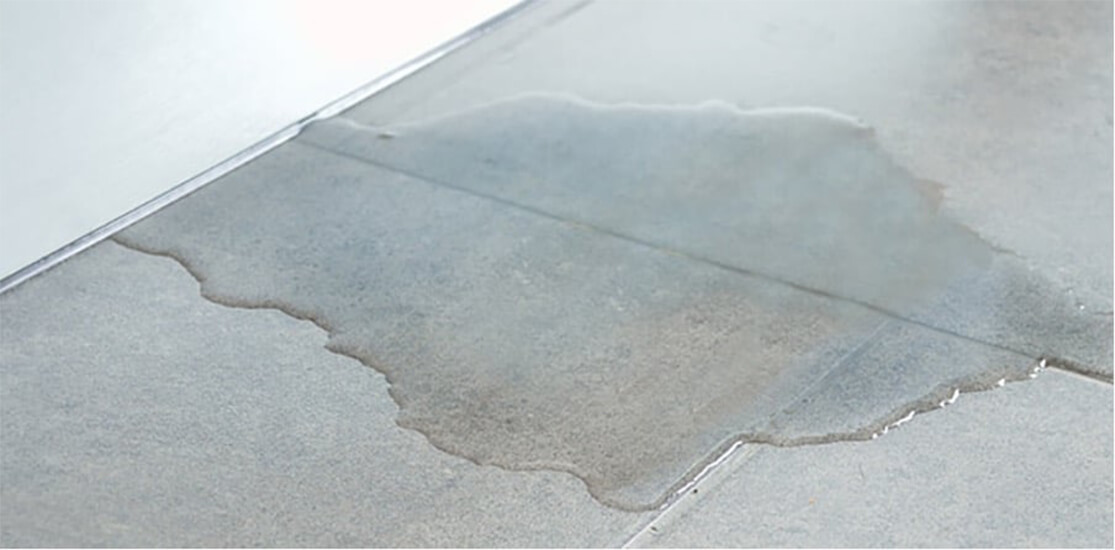
Water pooling on concrete floor indicating potential slab leak issue in home.

Almost every individual would have experienced a plumbing emergency at some point in their life. It is an overwhelming task to handle these problems. Emergencies will even lead to disastrous outcomes when not handled properly. Hence, residential plumbing services are the best option to protect against home damage and manage the situation properly. However, homeowners need knowledge about the best measures to handle plumbing emergencies to mitigate the damage to their houses. These tips will safeguard their investments for many years.

What are the common plumbing emergencies? 

Here are different types of accidents and mishaps that are categorized as plumbing emergencies. Some of them are quite common around urban households, so understanding them could prove to be a life-saver.

  • Water temperature 

Everyone loves a warm shower, but they may not prefer getting burned. When the water coming from the sink or showerhead is steaming hot, then people got themselves a water heater issue. The obvious solution in this situation is to turn off the heater and call a technician to assess the situation.

  • Dripping faucets 

Leaks from faucets are quite daunting. Even a small drip could turn into a full-blown leak when not repaired promptly. People can use wrenches to break valves and stick them into a positive. When this is not the case, they should turn off the water. Once turned off, assess the faucet for any gaps or damages in the inner workings. As always, make sure to call an emergency plumber when the problem is severe.

  • Frozen pipes 

It is quite common for pipes to get frozen during winter climates. The cold-water damages in plumbing networks can lead to expensive repairs and replacements. One way of avoiding frozen pipes is using a thermostat to control the temperature. An insulation coating around the exterior pipe network will also help to maintain temperature values.

  • Disposals 

Blockages in garbage disposals are an emergency situation that will bring many harms to a house. People can easily reset their disposal when they identify trouble by pressing the large red button located at its base. Then, use an Allen Wrench to move the disposal blades and remove any elements that are causing the blockage.

What are the tips to handle plumbing emergencies? 

Some of the common plumbing emergencies are the result of long-term abuse or improper DIY repairs. Handling such situations requires patience and a thorough understanding of the environment.

Tips 1 : First, people should learn the type of system they are dealing with and minimize the damage with necessary tools. If they know the location of the main water value, homeowners can shut it down to prevent any further leaks. Knowledge of the systems will keep their home protected from extensive damages.

Tips 2 : When repairs get complex, it is essential to call a professional plumber. In most cases, improper DIY repairs will end up costing thousands in the long run. Their experience and knowledge are vital to diagnose the problem and have it fixed in the right manner without any delay.

Tips 3 : One effective way of preventing plumbing emergencies is avoiding dumping any garbage on the drains. The plumbing trains are designed to handle only specific types of wastes. So, they may struggle against household wastes. Even hair and small bottle caps could block the entire drain system. To avoid this, make sure not to dump any wastes.

Tips 4 : Plumbing components wear out over time. The metal parts are susceptible to rust and corrosion that could cause significant damage to a home. If people find any old components in their house, they should replace them as quickly as possible to prevent the risk of flooding.

Tips 5 : The market is filled with many leak detection devices that will alarm the owners. These are designed to alert the residents of a specific types of problems in the pipe network. Similarly, people can also invest in drain cleaners that help to remove clogs in the pipes. These devices come in handy to safeguard from plumbing emergencies.

Tips 6 : People should avoid using chemicals for all types of plumbing problems. Some of the chemicals will only exacerbate the problem because they tend to expand in certain conditions. Hence, use only the recommended type of cleaning chemical in the recommended level to remove blocks as soon as possible.

Summing up 

People can take a variety of measures to ensure safety in their homes. Preventing plumbing emergencies is a wise choice that will save time and money. Moreover, it provides peace of mind knowing that all systems are working properly.