
Tips for Choosing a Commercial Water Heater for Your Building

Modern commercial building exterior with glass facade, landscaped area featuring greenery and water feature, suitable for business operations and discussions about commercial water heaters.

Modern commercial building exterior with glass facade, landscaped area featuring greenery and water feature, suitable for business operations and discussions about commercial water heaters.Commercial water heaters play a crucial role in various industries by ensuring a steady supply of hot water for everyday operations. When problems arise with commercial water heaters, it can lead to inconveniences, dissatisfied customers, and costly production downtime. Whether you’re running a hotel, restaurant, or any other commercial establishment, there are a few important things to keep in mind when selecting a water heater. Below, we offer some professional tips to consider when choosing a commercial water heater for your building. 

Tips for Choosing a Commercial Water Heater for Your Building

  • Prioritize Quality and Reliability
    • Businesses don’t just need a water heater – they need one that is reliable. This is not a place to compromise on quality to save a few dollars because it often comes with consequences down the line. For example, a damaged thermostat can cause erratic temperature fluctuations, which could lead to burns for your employees and customers. To avoid liability issues and ensure everyone’s safety, choose a water heater that is known for its durability and reliability.
  • Consider Your Business Needs
    • Commercial buildings have varying water needs. Before choosing a water heater, carefully consider your business’s needs. Consider factors such as peak hours, the number of employees or guests, and the various tasks that require hot water. An experienced plumber can help you accurately calculate your hot water needs, ensuring you choose the right model and capacity to meet your specific business requirements.
  • Optimize Sanitization Processes
    • For businesses like restaurants and hotels, proper sanitization is critical. Without enough hot water, cleaning food prep utensils and surfaces is difficult and may even lead to health hazards. If sanitation is a concern for your building, choose a water heater with an adequate capacity to provide enough hot water for thorough and efficient cleaning.
  • Energy Efficiency Matters
    • Energy efficiency is not just good for the environment, it can also save you money. Upgrading to an energy-efficient water heater can save businesses up to 60% on heating costs. Look for energy provider incentives to offset the initial investment.

Carefully consider these tips when choosing a commercial water heater so that you can have peace of mind that it will be a reliable and efficient asset to your business. ContactSecond Opinion Plumbingtoday to explore the best water heater solutions tailored to your business’s unique needs.
 

Things to Consider When Choosing a Water Heater

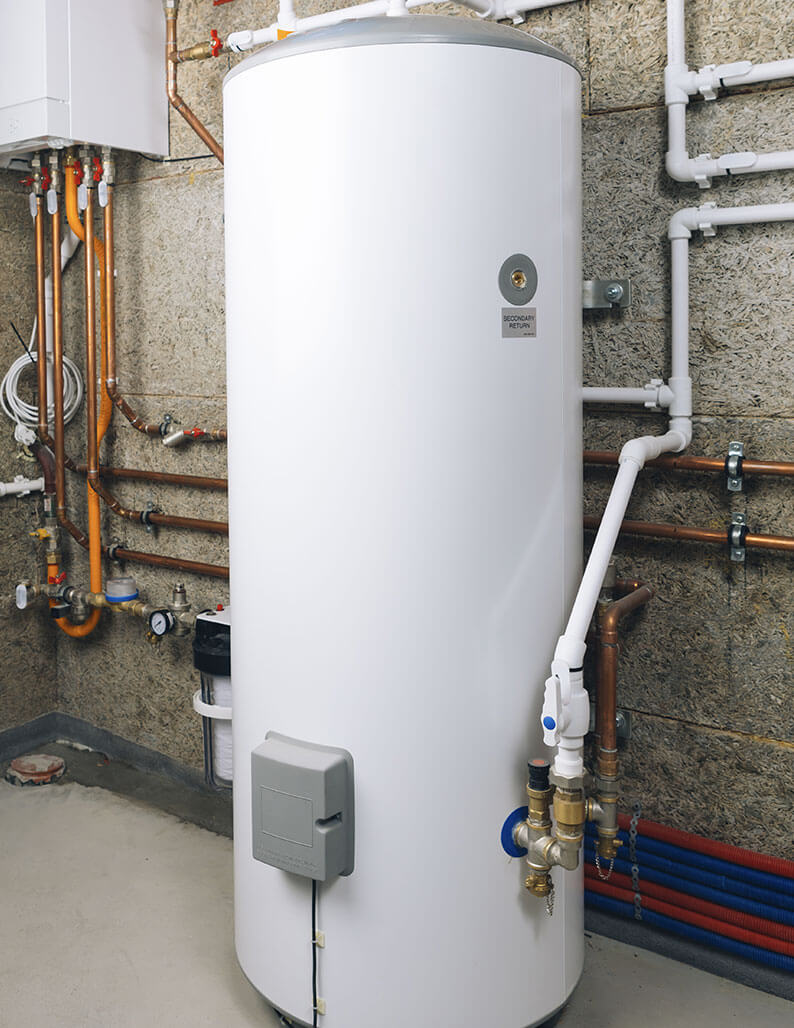
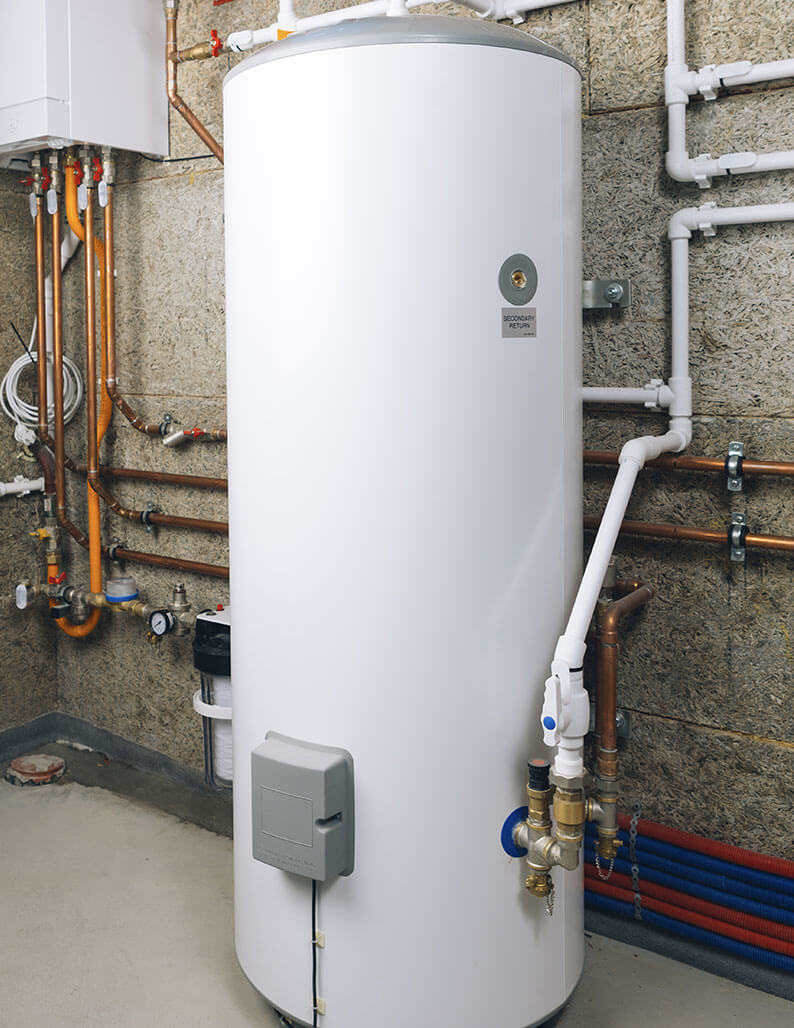
Water heater in a basement setting, showcasing plumbing connections and components, relevant to water heater repair and replacement services.

Water heater in a basement setting, showcasing plumbing connections and components, relevant to water heater repair and replacement services.Discovering that your one-reliable water heater has stopped working is never fun. After all, we depend on our water heaters for essential daily functions like warm showers and baths, dishwashing, and laundry. When it is time to replace your water heater, there are a lot of different models with unique features and different sizes, leaving you with a lot to consider. Below, we take a closer look at what you should consider when choosing a new water heater.

Things to Consider When Choosing a Water Heater

  1. Type of Water Heater Fuel: The thing you need to determine is what type of fuel powers your water heater. Determine whether you have a gas or electric water heater already and that will be the same type as what you choose for a replacement. 
    • Electric Water Heaters: These are popular for their ease of installation and relatively lower upfront costs. However, they may have higher operating costs compared to gas-powered models. 
    • Gas Water Heaters: Gas heaters are more energy-efficient, making them a cost-effective option. If your home already has a gas line, a gas water heater is a convenient choice.
  2. Tank or Tankless Water Heater: Next, you’ll need to choose whether you want a traditional tank water heater or a tankless one. Each type has its advantages and drawbacks, so consider your household’s hot water usage and energy efficiency preferences.
    • Tank Water Heaters: These traditional heaters store a continuous supply of hot water in a tank. They are a good choice for homes that need to use hot water in multiple fixtures at the same time. While they may have a lower upfront cost, they are less energy efficient than tankless models, so monthly utilities will be higher. 
    • Tankless Water Heaters: Tankless water heaters heat water on demand as needed so they do not waste energy maintaining a large tank of hot water continuously. Because of this, they are more energy-efficient, leading to lower utility bills. Though the initial investment is higher, tankless heaters generally have a longer lifespan and can save you money in the long term.
  3. Water Heater Tank Size: The water tank size is important for your household’s hot water needs. Factors like family size and usage patterns affect the right size. At Second Opinion Plumbing, our experts can help you find the perfect tank for you.

When replacing your water heater, consider the fuel type, size, and brand. Second Opinion Plumbing can help you choose the right one. Contact us for professional water heater installation, maintenance, and repair.

Commercial Leaks Threaten Your Business – Recognize Signs of Water Line Damage

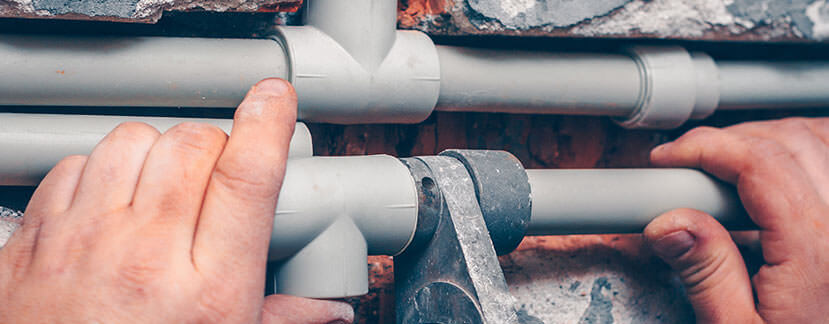
Hands working on PVC pipes during a commercial water line repair.

Hands working on PVC pipes during a commercial water line repair.Running a successful business is no easy task and the last thing you need is a plumbing disaster. Water line damage can lead to leaks that may lead to costly repairs, increased water bills, and potential disruptions to your daily business operations. Because of this, it is crucial to recognize the signs of commercial water line damage and have an experienced plumber address them promptly.

Signs of Commercial Water Line Damage:

  1. Higher water bills: If you notice a sudden spike in your water bills without any known change in water consumption, it could be a sign of a hidden leak in your water line.
  2. Visible signs of water damage: Water line leaks frequently result in visible signs of water damage such as stains on walls, ceilings, or floors, as well as warping or bubbling in these areas. The presence of wet spots or musty odors may also be a sign of water line issues.
  3. Pooling water in one or more areas: Puddles or pooling water in unexpected areas, both inside and outside your commercial property, can be a sign of a water line leak. If you notice these pools keep coming back or never leave, despite your best efforts to eliminate them, it’s time to have a plumber evaluate your water line.
  4. Banging, bubbling, or whistling sounds: Unusual sounds coming from your plumbing system, such as banging, bubbling, or whistling may be a sign of water line damage. These sounds often result from water pressure irregularities caused by leaks or other issues within the water line.

Keep your eyes and ears peeled for signs of water line issues and address them as soon as they arise. In doing so, you will save your business from potential disruptions, unnecessary expenses, and long-term damage to your property. If you are uncertain about your commercial water line, contact Second Opinion Plumbing.

2 Home Slab Leak Repair Options

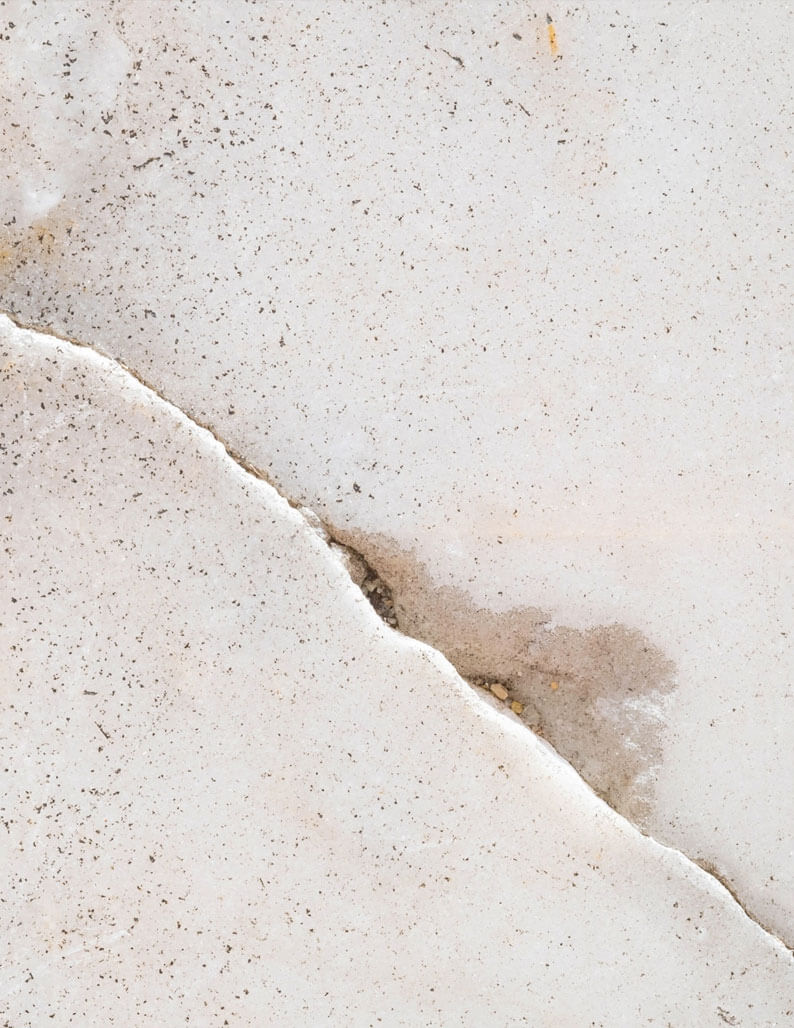
Cracked concrete slab with visible water seepage, illustrating potential slab leak issues related to plumbing problems.

Cracked concrete slab with visible water seepage, illustrating potential slab leak issues related to plumbing problems.Simple plumbing leaks are a headache but discovering a slab leak in your home can be a homeowner’s worst nightmare. The damage caused by hidden leaks beneath your home’s foundation can be significant and need to be treated as soon as possible to avoid extremely costly repairs. It is important to know the signs of slab leaks so that, if you notice any, you can hire a professional plumber to discuss slab leak repair options and address the issue quickly. 

Common Slab Leak Indicators:

  1. Increase in your water bill: A sudden, unexplained spike in your water bill could be a sign of a hidden leak beneath your foundation.
  2. Signs of mold and mildew: If you see or smell signs of mold it is a sign that there is excess moisture. There could be various reasons for this, but one potential reason is that it could be caused by a slab leak.
  3. The sound of continuously running water: If you hear the sound of water running even when all taps are turned off, it may be a sign of a slab leak.
  4. Discoloration in drywall: Stains or discoloration on your walls, especially near the baseboards, is a common sign of water damage caused by a hidden leak.
  5. Discoloration in flooring: Warped, discolored, or buckling flooring may be a result of water seeping up through a slab leak.
  6. Wet/spongy feeling in carpeting: If your carpet feels damp or spongy and you haven’t spilled anything, it could be from water seeping from a slab leak.
  7. Foundation cracks: Any visible cracks in your foundation walls or floors may be the result of a slab leak compromising the structural integrity of your home.

If you think you have a slab leak, it is essential that you contact an experienced plumber immediately. Once the issue has been identified, there are two common home slab leak repair options to discuss with your plumber.

2 Home Slab Leak Repair Options

  1. Demo the Concrete and Patch the Pipe
    • The slab leak repair option involves demolishing the concrete slab where the leak is located and patching the damaged pipe. While this may seem like a straightforward solution, it is not always the best choice because there are various potential complications. Because the damaged section of the pipe is repaired while the rest of the old pipe remains in place, there is a risk of the pipe developing more leaks in the future. Another reason homeowners may not choose this option is because demolishing the concrete slab can lead to collateral damage, requiring the repair or replacement of the flooring. Your home’s flooring material may have been discontinued which makes it challenging to find a match. 
  2. Reroute a New Line
    • The second slab leak repair option involves rerouting a new plumbing line to bypass the old, damaged pipe. This is often preferred because it reduces the odds of another leak occurring. With this method, the new pipe is run through alternative paths, such as walls, attics, or open ceilings, avoiding the need to disturb the concrete slab. By choosing to reroute the line, the damage is typically limited to the drywall. This makes repairs more manageable and less disruptive to your home. 


Why Is My Water Cloudy: Top Reasons & What To Do About It

Person filling a reusable water bottle at a kitchen sink, surrounded by fresh fruits and vegetables, emphasizing clean drinking water and healthy living.

Every homeowner deals with plumbing problems at some point. Some plumbing problems are straightforward – for example: if there is a leak, you turn off the water, find the source of the leak, and then have the leak repaired. But, other plumbing problems can be a bit more confusing. If you have noticed that you have cloudy water coming out of your faucets, you may be wondering what is happening and how to fix it.

Cloudy water, also known as “milky” or “white” water, can have a few different causes. For this reason, it is important that you contact an experienced plumber to assess the cause and ensure it is properly repaired.  

Most Common Reasons for Cloudy Water

  1. Air bubbles: Sometimes, water appears cloudy due to the presence of air bubbles. This often happens when there is a sudden change in water pressure, such as when you turn on a faucet or flush a toilet. Although this can be understandably concerning at first glance, it’s usually not harmful and will clear up on its own within a few minutes.
  2. Sediment: Another common cause of cloudy water is the presence of sediment in your water. This can happen when there is a buildup of minerals or other particles in your water supply. Over time, this buildup can accumulate in your pipes and eventually make its way to your faucet. To fix this issue, you likely need to have your pipes cleaned (or if pipes are damaged, they may need to be replaced). Additionally, installing a water filtration system may help.
  3. Water temperature: If you notice cloudy water only when you run hot water from your faucet, the issue may be related to your water heater. Over time, minerals build up in the bottom of your water heater if not routinely drained and this buildup can cause cloudy water. Flushing your water heater can help remove these minerals and improve the quality of your water (and as a bonus, it extends your water heater’s lifespan and improves its efficiency).
  4. Chemicals: It is rare, but in some cases, cloudy water can be caused by the presence of chemicals in your water supply. This can happen if there is a nearby chemical spill or if your water supply has been treated with chemicals. If you think this is the case, contact your local water authority for guidance.

How To Fix Cloudy Tap Water

If you’re experiencing cloudy water, it’s important to determine the cause so you can take the appropriate action. An experienced plumber can help you identify the problem and provide guidance on how to fix it. Remember, your water supply is one of the most important resources in your home, so it’s essential to keep it clean and safe.

The Benefits of Choosing an Electric Water Heater

Water heater in a maintenance setting, featuring pipes and valves, emphasizing importance of regular upkeep for optimal performance and longevity.

Water heater in a basement setting, showcasing plumbing connections and components, relevant to water heater repair and replacement services.Are you in the market for a new water heater? When you are investing in a new water heater, there is a lot to consider about the size and functionality of your water heater. Weighing the decision carefully is important because it will impact how much you spend, how energy efficient your home is, and ultimately, your overall experience with your water heater. Electric water heaters offer several benefits over traditional gas water heaters. While there are several types of water heaters available, an electric water heater is a popular choice for many households because they offer a number of benefits over other types of water heaters. 

Benefits of Choosing an Electric Water Heater

  • Energy Efficiency: Electric water heaters are more energy-efficient than gas water heaters. Gas heaters have to be vented to get rid of harmful gases and the venting process means they operate less efficiently than electric water heaters. This means that they are more environmentally friendly and can help you save money on your utility bills.
  • Durability: Electric water heaters tend to last longer than gas water heaters because they have fewer moving parts and are less prone to corrosion. Because of this, electric water heaters last for many years with minimal maintenance.
  • Safety: Electric water heaters do not produce any harmful gases, unlike gas water heaters, making them far safer to use in enclosed spaces, such as basements or utility rooms.
  • Convenience: Electric water heaters are easy to install and require less space than gas water heaters. 

Electric water heaters offer many benefits over gas water heaters. When choosing an electric water heater for your home, consider its size, energy efficiency, cost, and installation requirements. If you need help determining which type of water heater is best for your home, consult an experienced plumber that can evaluate your needs and budget and help you find the best water heater for your home.

Understanding the Slab Leak Detection & Repair Process

Cracked concrete slab with visible water seepage, illustrating potential slab leak issues related to plumbing problems.

Cracked concrete slab with visible water seepage, illustrating potential slab leak issues related to plumbing problems.Some plumbing leaks are easily detectable nuisance that involves a simple fix. But others, like slab leaks, are harder to detect and demand expert professional plumbing repair. Although slab leak detection can be tricky, there are some telltale signs that something may be wrong and needs to be investigated. If you notice a sudden increase in your water bill, signs of mold and mildew, discolored drywall, discolored flooring, foundation cracks, musty smells, the sound of water running, or a wet/spongy feeling in your carpeting, it could be the result of a slab leak. 

Detecting a slab leak can be tricky and an inexperienced plumber without adequate knowledge and sophisticated tools can wind up causing quite a bit of damage in the process of leak detection and repair. Digital water leak detection is a sophisticated modern technology that works by using an amplifier to hear sounds typically associated with a leak. This enables your plumber to more accurately pinpoint the location of leaks, minimizing digs and damage associated with detection and repair. 

Once the source of the leak has been detected, your plumber has two options for repair. One or both options may be covered by your insurance depending on your policy and the cause of the leak.

Slab Leak Repair Options:

  • Demo & Patch
    • One option is to demo the concrete at the source of the slab leak, patch the pipe, and repair the area. The trouble is that this option is not always a long-term solution as the pipe may develop more leaks and the damage caused to your flooring may necessitate flooring replacements and other cosmetic repairs. 
  • Reroute & Bypass Plumbing
    • With this option, your plumber will reroute a new line through your walls, attic, or open ceilings, depending on your home and preferences. This option bypasses the old pipe and only results in minor drywall repairs. 

Electric Water Heaters: Tank vs. Tankless

Water heater in a maintenance setting, featuring pipes and valves, emphasizing importance of regular upkeep for optimal performance and longevity.

Water heater in a maintenance setting, featuring pipes and valves, emphasizing importance of regular upkeep for optimal performance and longevity.Your home’s water heater is an essential appliance that is used every day. Without an effective and efficient water heater, you wouldn’t have hot water for things like bathing, washing dishes, doing laundry, and other daily household functions. When electric water heaters get old or in need of repair or replacement, homeowners often begin considering whether they should invest in a tank or tankless electric water heater. There are excellent options in both categories but the best option for your home will depend on a variety of factors.

What You Need to Know: Tank Electric Water Heaters

Storage tank water heaters are a more traditional water heater option that homeowners tend to be more familiar with. They come in varying capacities but essentially they store a number of gallons of hot water (typically between 20-60 gallons). Electric water heaters retain the heated water in the tank so that it is ready to be used on demand as needed. Because they have a limited capacity, they can run out of hot water if the demand at a given time is more than the capacity of the tank. Storage tank electric water heaters tend to be less expensive up-front. But, if your capacity is wrong for your household needs you may run out of hot water and have to wait for the tank to refill and heat the water. Tank water heaters also take up more space in your garage or other storage location and tend to be less energy-efficient than tankless water heaters. 

What You Need to Know: Tankless Electric Water Heaters

Tankless water heaters, sometimes called ‘on-demand’ water heaters, heat water at the moment that it is being used. Because tankless water heaters only heat water when you need it, they are more energy efficient than storage tank water heaters. Also, because they do not need to store heated water, tankless water heaters are much smaller and therefore take up significantly less space. Because they are more energy efficient and have a far lower risk of things like leaking, they have a longer lifespan than tank water heaters. But, if the initial purchase price is a concern, tankless water heaters do tend to be more expensive up-front. And, because they heat water on demand, there may be a slight lag time waiting for water to get hot. To discuss which option is best for your home, contact an experienced water heater installer.

Don’t Ignore These Common Signs of a Plumbing Leak

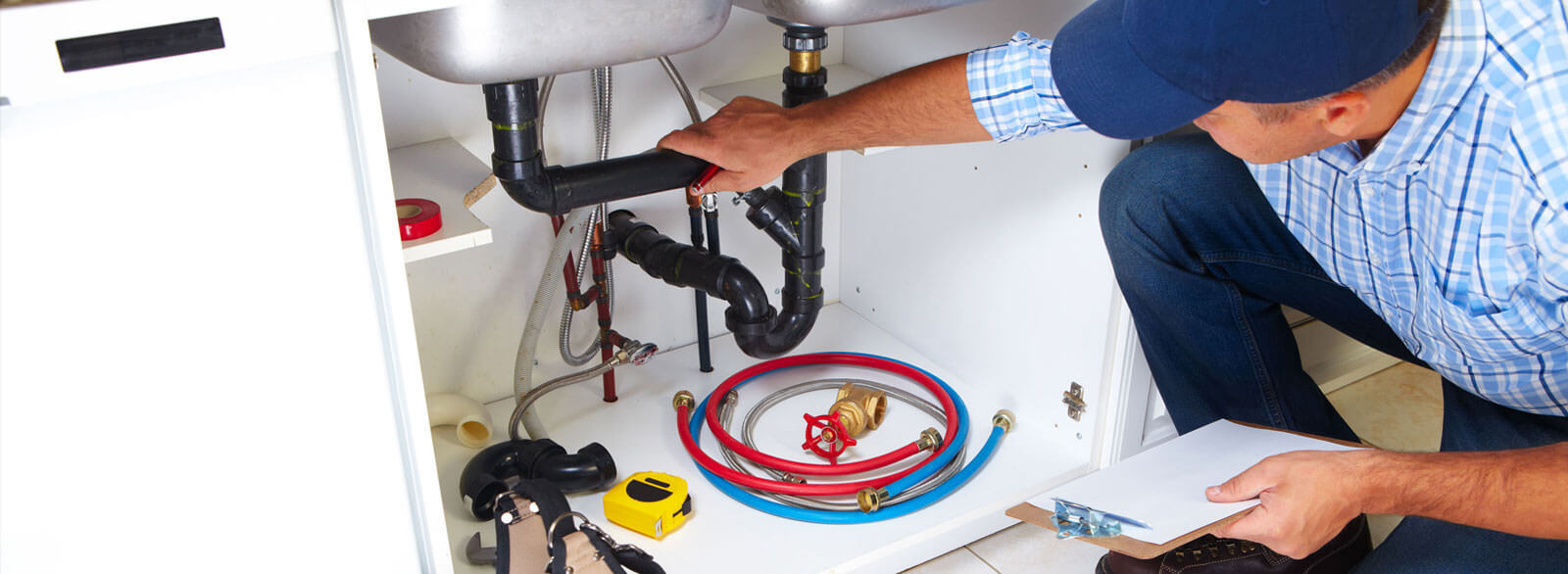
Plumber inspecting under sink plumbing with tools and hoses, emphasizing leak detection and repair services.

Every homeowner dreads finding a plumbing leak but many leaks go undetected for longer than they should, causing dangerous and costly damage. Some plumbing leaks are very obvious but others are more subtle. Often, homeowners may not notice tell-tale signs of a leak until it is too late and the damage is significant. Professional plumbers not only know the signs to look for, but they also have sophisticated professional tools that can help detect hard-to-find plumbing leaks such as leaks under your home’s slab.

Common Signs You Have a Plumbing Leak

High Water Bills

A higher-than-normal water bill is one of the most common signs you have an undetected leak. If you see a particularly high water bill or start to see that your water bills are consistently increasing, you may have a leak inside your walls or under your concrete slab.

Other common symptoms of a plumbing leak include:

  • signs of mold and mildew (small and/or visual)
  • hearing the sound of running water, discolored drywall and/or flooring
  • wet/spongy feeling carpet
  • foundation cracks.

When you notice any of these signs, it is important to find the source and repair it as quickly as possible. 

Slab Leak Repair Options

High-quality professional plumbers like Second Opinion Plumbing have special leak detection tools including line locators and digital sound locators. If something like a slab leak is detected, one repair option is demoing a portion of the concrete and patching the pipe, however, this is not an optimal repair because more leaks could develop over time. For an optimal, more long-lasting repair, rerouting a plumbing line is often recommended because it will cause minimal damage to your drywall and your homeowner’s insurance may even cover the costs.

Why Call a Professional Plumber?

If you are concerned you have a plumbing leak, don’t wait! Water damage rapidly grows and can cause costly and dangerous damage – speak to a professional plumber to learn more about leak detection and repair options for your home! Call Second Opinion today!

Common Plumbing Problems and How to Fix Them

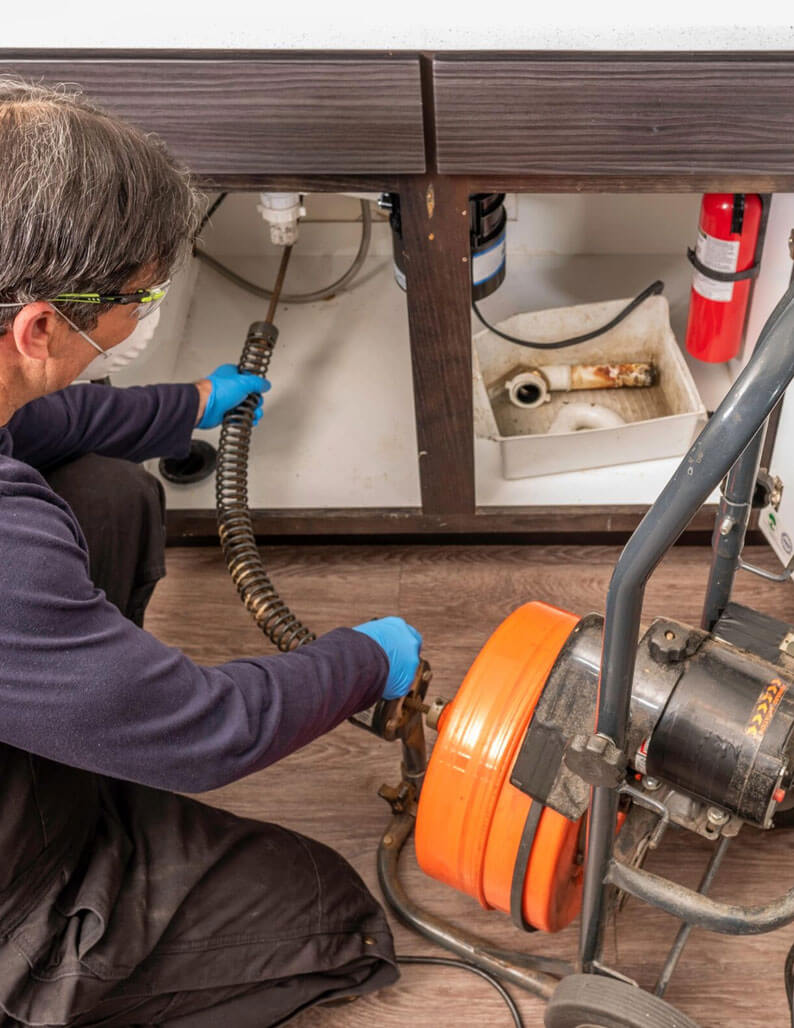
Plumber using a drain cleaning machine to clear a clogged sink under a kitchen countertop.

It’s easy to take for granted how efficiently water flows through a home for all kinds of uses without the homeowner having to think about it. When plumbing problems pop up, though, you tend to realize how inconvenienced you are when the water doesn’t go where it’s supposed to. Whether it’s a leaky water heater or a toilet that won’t stop flushing, when an issue emerges, you’ll need to decide whether you’re going to Do It Yourself or call in a plumber.

What Are Common Plumbing Problems?

A dripping faucet is extremely common and it can waste a lot of water. It can also cause your faucets to rust up and your counters to rot. The most common sources of leaking faucets are worn-out washers or gaskets, a loose O-ring or corrosion in the valve seat. A dripping faucet can usually be fixed simply by applying new O-rings.

A running toilet can waste dozens of gallons of water per day. Although it could be a leaking flapper or a worn-out stopper, both of which are pretty easy to fix, it’s sometimes a good idea to replace all the inner workings of the toilet, rather than just one. These parts tend to wear at similar rates and you can avoid more trouble with some preventative maintenance.

If you have a clogged toilet, chances are it’s not a plumbing issue – it’s an issue of too much stuffed into the toilet. A few quick plunges should solve it. If it’s a sewage backup, though, you’ll need to call a plumber.

Are All Plumbing Issues Fixable?

It is estimated that most people call a professional plumber about once every three years. Otherwise, except for a leaky faucet or some other easily fixable issue, your home’s plumbing system maintains its integrity. All plumbing issues are fixable if they’re caught in time and dealt with efficiently and with the right equipment. When the inevitable happens, though, a professional can offer you the most cost-effective and quickest way to get back to normal. Contact Second Opinion Plumbing today with any questions that you might have about your plumbing issues or for a free estimate.