
Tips for Choosing a Commercial Water Heater for Your Building

Modern commercial building exterior with glass facade, landscaped area featuring greenery and water feature, suitable for business operations and discussions about commercial water heaters.

Modern commercial building exterior with glass facade, landscaped area featuring greenery and water feature, suitable for business operations and discussions about commercial water heaters.Commercial water heaters play a crucial role in various industries by ensuring a steady supply of hot water for everyday operations. When problems arise with commercial water heaters, it can lead to inconveniences, dissatisfied customers, and costly production downtime. Whether you’re running a hotel, restaurant, or any other commercial establishment, there are a few important things to keep in mind when selecting a water heater. Below, we offer some professional tips to consider when choosing a commercial water heater for your building. 

Tips for Choosing a Commercial Water Heater for Your Building

  • Prioritize Quality and Reliability
    • Businesses don’t just need a water heater – they need one that is reliable. This is not a place to compromise on quality to save a few dollars because it often comes with consequences down the line. For example, a damaged thermostat can cause erratic temperature fluctuations, which could lead to burns for your employees and customers. To avoid liability issues and ensure everyone’s safety, choose a water heater that is known for its durability and reliability.
  • Consider Your Business Needs
    • Commercial buildings have varying water needs. Before choosing a water heater, carefully consider your business’s needs. Consider factors such as peak hours, the number of employees or guests, and the various tasks that require hot water. An experienced plumber can help you accurately calculate your hot water needs, ensuring you choose the right model and capacity to meet your specific business requirements.
  • Optimize Sanitization Processes
    • For businesses like restaurants and hotels, proper sanitization is critical. Without enough hot water, cleaning food prep utensils and surfaces is difficult and may even lead to health hazards. If sanitation is a concern for your building, choose a water heater with an adequate capacity to provide enough hot water for thorough and efficient cleaning.
  • Energy Efficiency Matters
    • Energy efficiency is not just good for the environment, it can also save you money. Upgrading to an energy-efficient water heater can save businesses up to 60% on heating costs. Look for energy provider incentives to offset the initial investment.

Carefully consider these tips when choosing a commercial water heater so that you can have peace of mind that it will be a reliable and efficient asset to your business. ContactSecond Opinion Plumbingtoday to explore the best water heater solutions tailored to your business’s unique needs.
 

Things to Consider When Choosing a Water Heater

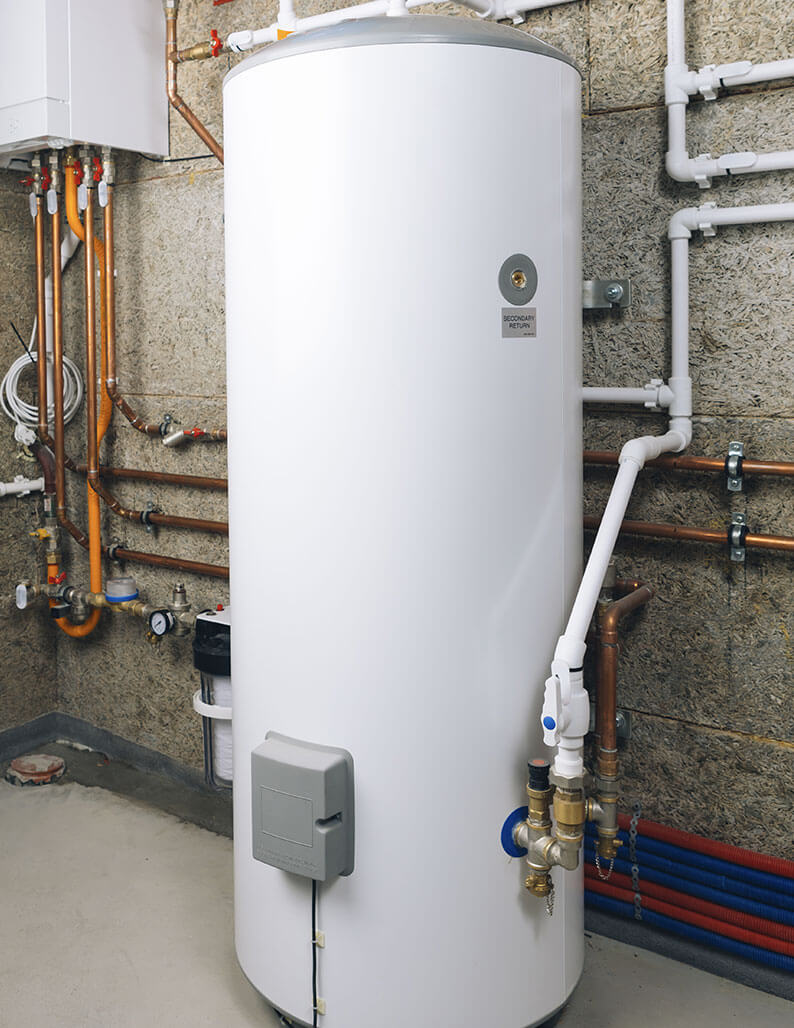
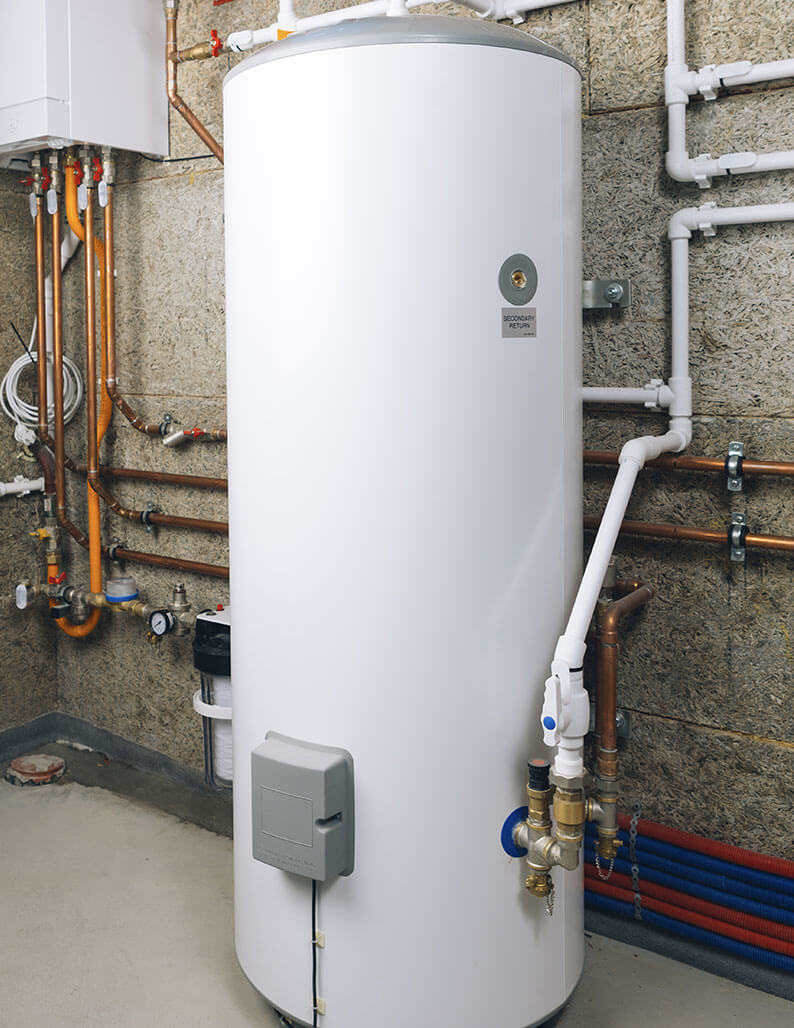
Water heater in a basement setting, showcasing plumbing connections and components, relevant to water heater repair and replacement services.

Water heater in a basement setting, showcasing plumbing connections and components, relevant to water heater repair and replacement services.Discovering that your one-reliable water heater has stopped working is never fun. After all, we depend on our water heaters for essential daily functions like warm showers and baths, dishwashing, and laundry. When it is time to replace your water heater, there are a lot of different models with unique features and different sizes, leaving you with a lot to consider. Below, we take a closer look at what you should consider when choosing a new water heater.

Things to Consider When Choosing a Water Heater

  1. Type of Water Heater Fuel: The thing you need to determine is what type of fuel powers your water heater. Determine whether you have a gas or electric water heater already and that will be the same type as what you choose for a replacement. 
    • Electric Water Heaters: These are popular for their ease of installation and relatively lower upfront costs. However, they may have higher operating costs compared to gas-powered models. 
    • Gas Water Heaters: Gas heaters are more energy-efficient, making them a cost-effective option. If your home already has a gas line, a gas water heater is a convenient choice.
  2. Tank or Tankless Water Heater: Next, you’ll need to choose whether you want a traditional tank water heater or a tankless one. Each type has its advantages and drawbacks, so consider your household’s hot water usage and energy efficiency preferences.
    • Tank Water Heaters: These traditional heaters store a continuous supply of hot water in a tank. They are a good choice for homes that need to use hot water in multiple fixtures at the same time. While they may have a lower upfront cost, they are less energy efficient than tankless models, so monthly utilities will be higher. 
    • Tankless Water Heaters: Tankless water heaters heat water on demand as needed so they do not waste energy maintaining a large tank of hot water continuously. Because of this, they are more energy-efficient, leading to lower utility bills. Though the initial investment is higher, tankless heaters generally have a longer lifespan and can save you money in the long term.
  3. Water Heater Tank Size: The water tank size is important for your household’s hot water needs. Factors like family size and usage patterns affect the right size. At Second Opinion Plumbing, our experts can help you find the perfect tank for you.

When replacing your water heater, consider the fuel type, size, and brand. Second Opinion Plumbing can help you choose the right one. Contact us for professional water heater installation, maintenance, and repair.

Repair or Replace Your Water Heater? How to Know

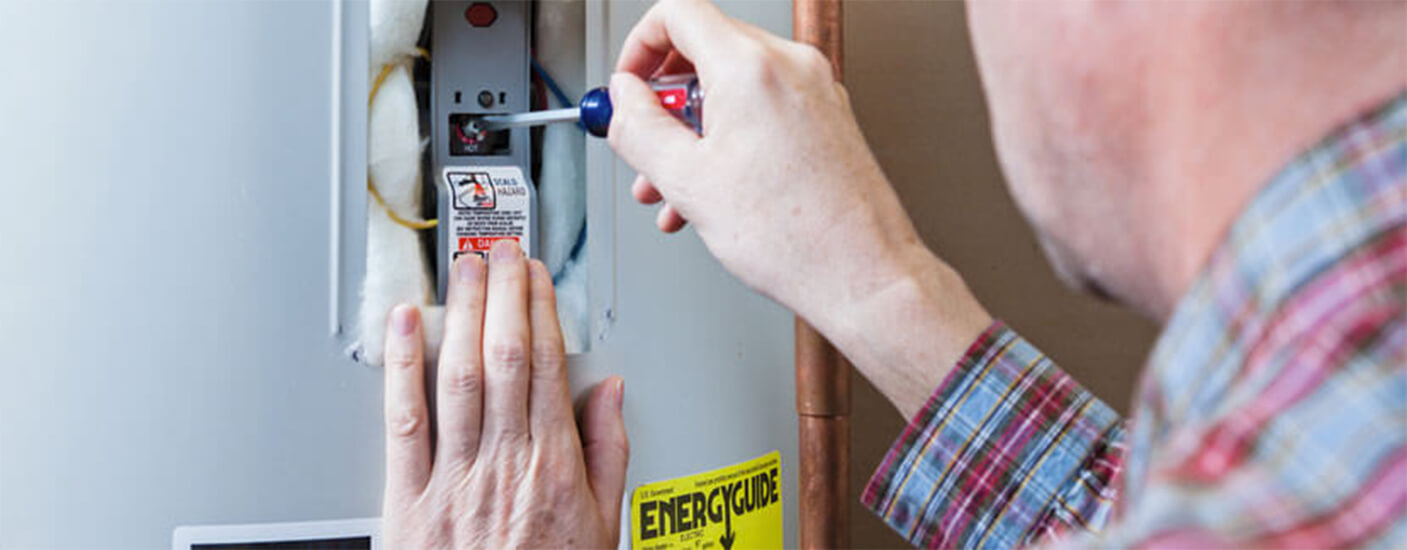
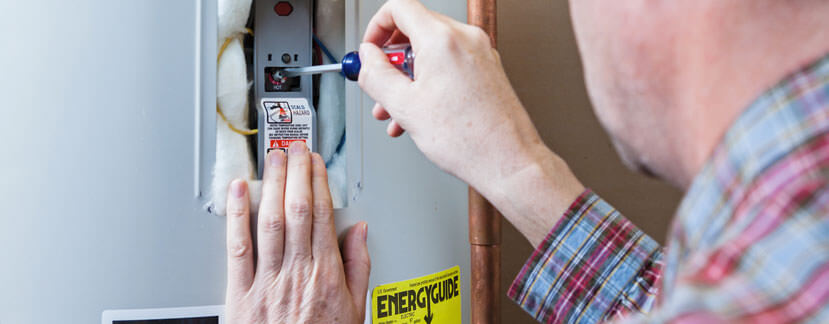
Technician adjusting settings on a water heater, emphasizing installation and maintenance for reliable hot water access in Phoenix, AZ.

Technician adjusting settings on a water heater, emphasizing installation and maintenance for reliable hot water access in Phoenix, AZ.Your water heater is one of the most important and frequently used appliances in your home. It provides you with hot water for showers, laundry, and dishwashing. However, like any other appliance, water heaters can experience issues over time. When a water heater malfunctions or shows signs that it may not be working properly, one of the most important decisions homeowners have to make is whether to repair it or replace it. It is a decision that needs to be made carefully and factors to consider include water heater cost, age, and efficiency. 

How to Know if You Should Repair or Replace Your Water Heater

  1. Age of Your Water Heater:The age of your water heater is one of the biggest factors to consider when deciding whether to repair or replace it. A well-maintained water heater typically lasts approximately 8 to 12 years. If your water heater is near or past this age range, it may be more cost-effective to replace it than to continue repairing it. Older water heaters are more likely to develop issues and their efficiency usually only continues to decline over time.     
  2. Cost of Repairs:When determining whether to repair or replace your water heater it is a good idea to consider the cost of repairs. Minor water heater repairs, such as replacing a faulty thermostat or a leaky valve, are generally affordable and can prolong the life of your unit. However, if your water heater requires major repairs, such as a replacement of the heating element or tank, the cost can be significant, making it a better choice to simply invest in a new heater. 
  3. Energy Efficiency: The energy efficiency of your water heater can have a big impact on your monthly utility bills. Older models are less energy-efficient than newer ones so if you heater is several years old, it may not meet current energy-efficient standards and is probably far less energy efficient than current models. Upgrading to a new water heater can provide you with significant energy savings. Look for water heaters with a high Energy Factor (EF) rating because they consume less energy to heat the same amount of water.
  4. Frequency of Repairs:If you find yourself frequently calling a plumber to fix issues with your water heater, it’s a sign that your heater might be nearing the end of its lifespan. Frequent breakdowns are frustrating and expensive. Replacing a water heater can save you money and give you peace of mind. Contact Second Opinion to schedule an appointment!

Why Is My Water Cloudy: Top Reasons & What To Do About It

Person filling a reusable water bottle at a kitchen sink, surrounded by fresh fruits and vegetables, emphasizing clean drinking water and healthy living.

Every homeowner deals with plumbing problems at some point. Some plumbing problems are straightforward – for example: if there is a leak, you turn off the water, find the source of the leak, and then have the leak repaired. But, other plumbing problems can be a bit more confusing. If you have noticed that you have cloudy water coming out of your faucets, you may be wondering what is happening and how to fix it.

Cloudy water, also known as “milky” or “white” water, can have a few different causes. For this reason, it is important that you contact an experienced plumber to assess the cause and ensure it is properly repaired.  

Most Common Reasons for Cloudy Water

  1. Air bubbles: Sometimes, water appears cloudy due to the presence of air bubbles. This often happens when there is a sudden change in water pressure, such as when you turn on a faucet or flush a toilet. Although this can be understandably concerning at first glance, it’s usually not harmful and will clear up on its own within a few minutes.
  2. Sediment: Another common cause of cloudy water is the presence of sediment in your water. This can happen when there is a buildup of minerals or other particles in your water supply. Over time, this buildup can accumulate in your pipes and eventually make its way to your faucet. To fix this issue, you likely need to have your pipes cleaned (or if pipes are damaged, they may need to be replaced). Additionally, installing a water filtration system may help.
  3. Water temperature: If you notice cloudy water only when you run hot water from your faucet, the issue may be related to your water heater. Over time, minerals build up in the bottom of your water heater if not routinely drained and this buildup can cause cloudy water. Flushing your water heater can help remove these minerals and improve the quality of your water (and as a bonus, it extends your water heater’s lifespan and improves its efficiency).
  4. Chemicals: It is rare, but in some cases, cloudy water can be caused by the presence of chemicals in your water supply. This can happen if there is a nearby chemical spill or if your water supply has been treated with chemicals. If you think this is the case, contact your local water authority for guidance.

How To Fix Cloudy Tap Water

If you’re experiencing cloudy water, it’s important to determine the cause so you can take the appropriate action. An experienced plumber can help you identify the problem and provide guidance on how to fix it. Remember, your water supply is one of the most important resources in your home, so it’s essential to keep it clean and safe.

The Benefits of Choosing an Electric Water Heater

Water heater in a maintenance setting, featuring pipes and valves, emphasizing importance of regular upkeep for optimal performance and longevity.

Water heater in a basement setting, showcasing plumbing connections and components, relevant to water heater repair and replacement services.Are you in the market for a new water heater? When you are investing in a new water heater, there is a lot to consider about the size and functionality of your water heater. Weighing the decision carefully is important because it will impact how much you spend, how energy efficient your home is, and ultimately, your overall experience with your water heater. Electric water heaters offer several benefits over traditional gas water heaters. While there are several types of water heaters available, an electric water heater is a popular choice for many households because they offer a number of benefits over other types of water heaters. 

Benefits of Choosing an Electric Water Heater

  • Energy Efficiency: Electric water heaters are more energy-efficient than gas water heaters. Gas heaters have to be vented to get rid of harmful gases and the venting process means they operate less efficiently than electric water heaters. This means that they are more environmentally friendly and can help you save money on your utility bills.
  • Durability: Electric water heaters tend to last longer than gas water heaters because they have fewer moving parts and are less prone to corrosion. Because of this, electric water heaters last for many years with minimal maintenance.
  • Safety: Electric water heaters do not produce any harmful gases, unlike gas water heaters, making them far safer to use in enclosed spaces, such as basements or utility rooms.
  • Convenience: Electric water heaters are easy to install and require less space than gas water heaters. 

Electric water heaters offer many benefits over gas water heaters. When choosing an electric water heater for your home, consider its size, energy efficiency, cost, and installation requirements. If you need help determining which type of water heater is best for your home, consult an experienced plumber that can evaluate your needs and budget and help you find the best water heater for your home.

How to Determine the Ideal Water Heater Size for Your Home

Water heater installation with plumbing pipes and connections in a residential setting, highlighting Second Opinion Plumbing's service offerings in Gilbert, Arizona.

A home’s water heater is one of the most important appliances, providing hot water for many different essential household activities including bathing, laundry, and washing dishes. Having the right water heater size a critical because, if sized incorrectly, you could run out of hot water when you need it most. If you’ve ever lived or stayed in a home where the hot water runs out while you are right in the middle of a shower, you know just how frustrating it can be. And, if your water heater is too large, it will not run efficiently and may lead to increased utility costs and a diminished water heater lifespan. 

Factors to Consider When Picking a Water Heater

Often, when homeowners are debating between water heater sizes, they are tempted to size up and may oversize their water heater in an attempt to avoid running out of hot water. And, though the instinct is certainly understandable, an oversized water heater is not necessarily ideal. Complicating matters further when choosing an ideal size is that sizing and efficiency differ between water heaters depending on whether they are gas or electric and whether they are tankless or have tanks. 

Additionally, how many people live in your home and your overall average hot water usage will be important factors in determining size. Bob Vilahas a helpful chart that breaks down average hot water usage based on the number of occupants in a home:

You can estimate the necessary tank capacity (in gallons) based on the number of people in the house:

  • 1 or 2 people—23 to 36 gallons
  • 2 to 4 people—36 to 46 gallons
  • 3 to 5 people—46 to 56 gallons
  • 5 or more people—over 56 gallons (add 10 gallons per additional person)

But, as aforementioned, the number of occupants in your home is not the only consideration, average use, and lifestyle should also be factored in. If your home’s occupants take a lot of showers every day, or you do a ton of laundry or dishes, you may need more hot water than the average. When determining an ideal water heater size for your home, consult an experienced plumber who can help guide you toward an ideal size that allows your home to remain energy efficient without ever running out of hot water.  

Electric Water Heaters: Tank vs. Tankless

Water heater in a maintenance setting, featuring pipes and valves, emphasizing importance of regular upkeep for optimal performance and longevity.

Water heater in a maintenance setting, featuring pipes and valves, emphasizing importance of regular upkeep for optimal performance and longevity.Your home’s water heater is an essential appliance that is used every day. Without an effective and efficient water heater, you wouldn’t have hot water for things like bathing, washing dishes, doing laundry, and other daily household functions. When electric water heaters get old or in need of repair or replacement, homeowners often begin considering whether they should invest in a tank or tankless electric water heater. There are excellent options in both categories but the best option for your home will depend on a variety of factors.

What You Need to Know: Tank Electric Water Heaters

Storage tank water heaters are a more traditional water heater option that homeowners tend to be more familiar with. They come in varying capacities but essentially they store a number of gallons of hot water (typically between 20-60 gallons). Electric water heaters retain the heated water in the tank so that it is ready to be used on demand as needed. Because they have a limited capacity, they can run out of hot water if the demand at a given time is more than the capacity of the tank. Storage tank electric water heaters tend to be less expensive up-front. But, if your capacity is wrong for your household needs you may run out of hot water and have to wait for the tank to refill and heat the water. Tank water heaters also take up more space in your garage or other storage location and tend to be less energy-efficient than tankless water heaters. 

What You Need to Know: Tankless Electric Water Heaters

Tankless water heaters, sometimes called ‘on-demand’ water heaters, heat water at the moment that it is being used. Because tankless water heaters only heat water when you need it, they are more energy efficient than storage tank water heaters. Also, because they do not need to store heated water, tankless water heaters are much smaller and therefore take up significantly less space. Because they are more energy efficient and have a far lower risk of things like leaking, they have a longer lifespan than tank water heaters. But, if the initial purchase price is a concern, tankless water heaters do tend to be more expensive up-front. And, because they heat water on demand, there may be a slight lag time waiting for water to get hot. To discuss which option is best for your home, contact an experienced water heater installer.

5 Signs You Need To Replace Your Water Heater

Water heater in a basement setting, showcasing plumbing connections and components, relevant to water heater repair and replacement services.

Water heaters provide the hot water that residents use for washing clothes, taking showers, and filling the sink to clean dishes. Both tankless water heaters and conventional heaters require service and replacement from time to time. Here are five signs that it is time to replace your water heater.

1. Less Hot Water Coming From the Tankless Water Heaters

There are many reasons why residents might notice a lack of hot water, such as a defective electrical element or the build-up of sentiment on the water lines. However, consistently less hot water with no other known cause may be a sign that you need to replace the entire unit.

2. Leaking Tanks in Heaters Containing Tanks

A water leak in a home is never a good sign, as leaks can contribute to costlier water bills and may damage belongings inside the house. If a homeowner sees that the water heater tank has a leak, it is a good idea to call a professional to have the unit repaired or replaced.

3. Strange Noises

Hearing strange noises coming from the water heater may indicate that the unit is about to break or give out completely. If it is an older unit in particular, strange noises might be a good indication that it is time to get a replacement.

4. Rust Colored Water

Seeing rusty water could mean that the water tank is corroded, which generally requires a replacement.

5. Old Age

Experts recommend that homeowners replace water heaters every so often to reduce the chances of needing a costly or inconvenient repair. Traditional water heaters last up to 10 years, while tankless water heaters generally last up to 20 years.

Need To Replace Tankless Water Heaters?

Tankless water heaters require regular replacements to remain in good working order. Contact Second Opinion Plumbing for more details about repairs and replacements for a variety of water heaters.

Become More Energy Efficient With Tankless Water Heaters

Having hot water when you need it is a luxury of life that you enjoy. What you don’t like is spending lots of money to keep your water heated. With traditional water heaters, this is sometimes a way of life. Fortunately, tankless water heaters make it possible for you to become more energy efficient so that you can save money.

What Are Tankless Water Heaters?

Unlike traditional gas-fired water heaters that hold hot water in a storage tank, a tankless unit doesn’t keep water on reserve. Instead, it heats cold water instantly when you turn on the faucet and hot water is only heated as needed. This is the main difference between tankless and storage water heaters.

How Do Tankless Water Heaters Work?

To heat cold water, a tankless unit has a heat exchanger that uses natural gas, electricity or propane warmer to increase the temperature of the water as it flows through. This eliminates the need for a storage tank and hot water is always available.

Unlike traditional gas-fired heaters that people install themselves, there are many factors involved in the installation of a tankless heater. These include:

  • Climate
  • Safety issues
  • Type of fuel
  • Building Codes

For this reason, it’s best to hire a professional plumber such as Second Opinion Plumbing to install this type of water heater in your home for you.

How Are Tankless Water Heaters Energy Efficient?

The upfront expense of a tankless heater is much more than the cost of a traditional one. In the long run, however, if your home’s daily hot water usage is 41 gallons or less, the energy efficiency of the tankless unit is up to 34% more than the storage tank heater. They also last longer and cost less to operate.

Ask About Tankless Water Heaters

Tankless water heaters are convenient, energy-efficient and a great investment for your home. They also have a long life span that will benefit you for years to come. If you are considering the purchase of a new tankless unit or need one installed, we can help you so contact us today.

Make Sure to Check Your Water Heater Before Winter Months Start

Person using a screwdriver to adjust settings on a water heater, emphasizing repair and maintenance tasks related to water heater efficiency and functionality.

When you go to cozy up in your house during a winter snow or ice storm, the last thing you want to happen is to have to fix your broken heater. Making sure your water heaters are working ahead of cold months can help you and anyone else in your house stay safe.

Water Heaters Work Harder During the Wintertime

The colder the air gets around your home, the harder your heater has to work to get the water in your tank hot. When you are taking a shower or using tap water, you will likely rely on the warmth of water heaters in many important situations. If they break suddenly, it could lead to more consequences than it would during the hotter months of the year.

Keep Your Peace of Mind

If you have not checked the health of your water heaters for a while, you may extend their lives by fixing any issues you find with it. Going without hot water for even a few days during a winter storm may leave you feeling worried and exhausted.

Let Your Water Heaters Keep You Warm

Doing routine checks and thinking about any residue that may build up can help you prepare for extreme weather. Contact Second Opinion Plumbing for any fixes or installments of water heaters.