Why Is My Water Cloudy: Top Reasons & What To Do About It

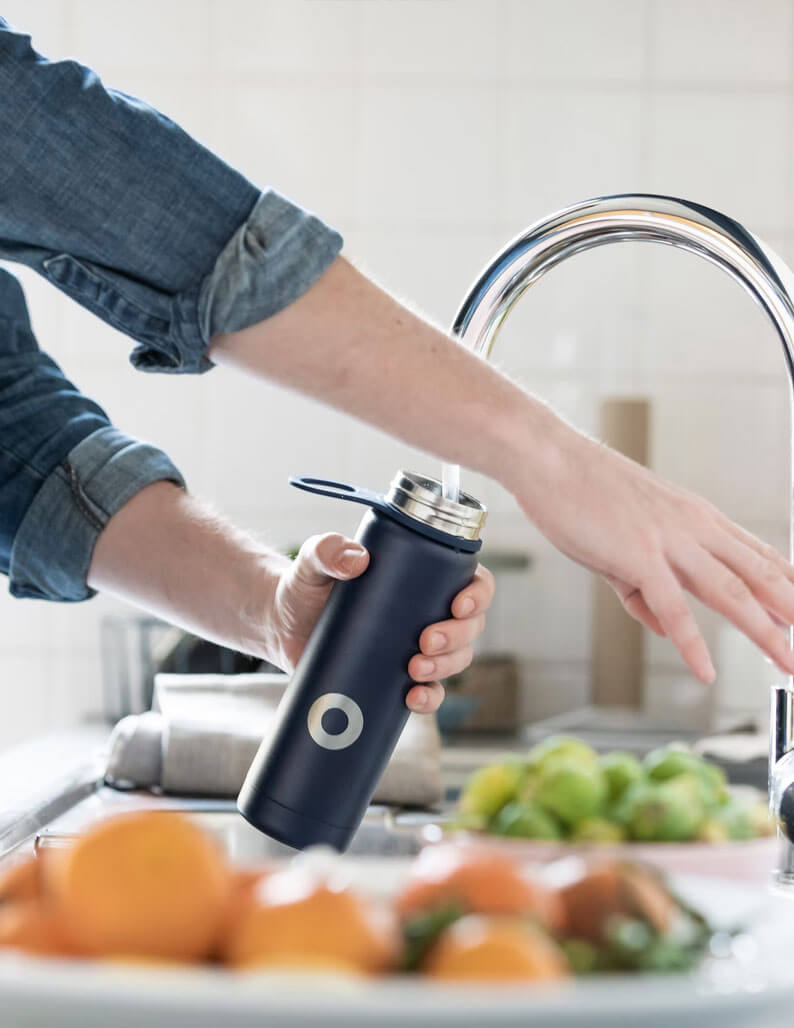
Person filling a reusable water bottle at a kitchen sink, surrounded by fresh fruits and vegetables, emphasizing clean drinking water and healthy living.

Every homeowner deals with plumbing problems at some point. Some plumbing problems are straightforward – for example: if there is a leak, you turn off the water, find the source of the leak, and then have the leak repaired. But, other plumbing problems can be a bit more confusing. If you have noticed that you have cloudy water coming out of your faucets, you may be wondering what is happening and how to fix it.

Cloudy water, also known as “milky” or “white” water, can have a few different causes. For this reason, it is important that you contact an experienced plumber to assess the cause and ensure it is properly repaired.  

Most Common Reasons for Cloudy Water

  1. Air bubbles: Sometimes, water appears cloudy due to the presence of air bubbles. This often happens when there is a sudden change in water pressure, such as when you turn on a faucet or flush a toilet. Although this can be understandably concerning at first glance, it’s usually not harmful and will clear up on its own within a few minutes.
  2. Sediment: Another common cause of cloudy water is the presence of sediment in your water. This can happen when there is a buildup of minerals or other particles in your water supply. Over time, this buildup can accumulate in your pipes and eventually make its way to your faucet. To fix this issue, you likely need to have your pipes cleaned (or if pipes are damaged, they may need to be replaced). Additionally, installing a water filtration system may help.
  3. Water temperature: If you notice cloudy water only when you run hot water from your faucet, the issue may be related to your water heater. Over time, minerals build up in the bottom of your water heater if not routinely drained and this buildup can cause cloudy water. Flushing your water heater can help remove these minerals and improve the quality of your water (and as a bonus, it extends your water heater’s lifespan and improves its efficiency).
  4. Chemicals: It is rare, but in some cases, cloudy water can be caused by the presence of chemicals in your water supply. This can happen if there is a nearby chemical spill or if your water supply has been treated with chemicals. If you think this is the case, contact your local water authority for guidance.

How To Fix Cloudy Tap Water

If you’re experiencing cloudy water, it’s important to determine the cause so you can take the appropriate action. An experienced plumber can help you identify the problem and provide guidance on how to fix it. Remember, your water supply is one of the most important resources in your home, so it’s essential to keep it clean and safe.
Digital Water Leak Detection: A Valuable Tool for Homeowners & Plumbers

slab leaks

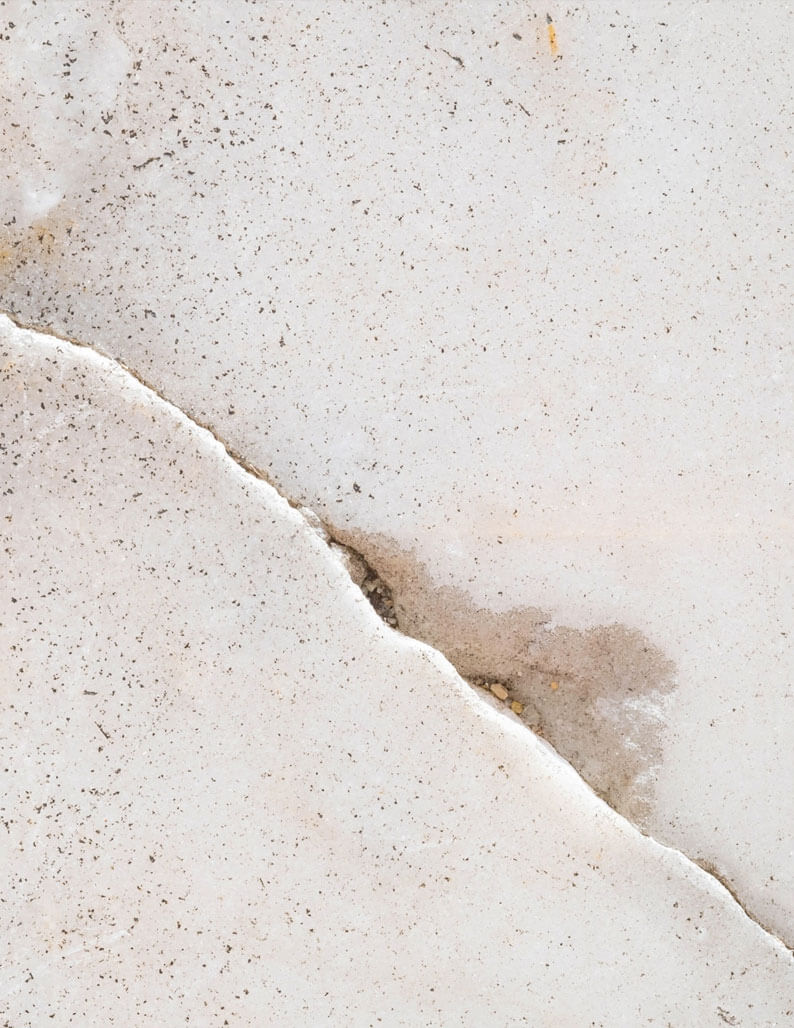
digital water leak detectionEvery homeowner dreads the idea of discovering a water leak. Although when some small leaks are caught quickly the damage is minimal and a simple repair is all that is necessary. But, it can be hard to detect many leaks, particularly when they are under the slab of your home. When left undetected and untreated, water leaks can lead to costly repairs, extensive property damage, and even health hazards. Fortunately, modern technology has made it easier than ever to detect leaks early on, before they cause significant damage. Plumbers can use digital water leak detection to locate the source of slab leaks and repair them as quickly as possible to minimize damage.


What is Digital Water Leak Detection?

Some leaks are obvious but concealed plumbing leaks can be tricky to locate. Digital water leak detection is a technology that uses an amplifier to hear sounds that are typically associated with a leak. When a leak is detected, the sensors alert the plumber to the precise location of the leak, so that it can be fixed before it causes significant damage.


Why is Digital Water Leak Detection a Beneficial Tool for Plumbers & Homeowners?

Digital water leak detection is a valuable tool for plumbers because it allows them to detect leaks early on before they cause structural damage to the home. This ultimately saves the homeowner time and money. Additionally, digital water leak detection is a non-invasive and accurate way to detect leaks. Traditional leak detection methods, such as digging up floors or walls, can be expensive and time-consuming. Digital water leak detection is highly effective and accurate so plumbers can detect leaks without causing any damage to the home. If you are concerned about water leaks in your home or have noticed common signs of a leak but can’t determine the source, contact a reliable plumber who can use digital water leak detection to quickly identify and repair the source of the leak.

The Benefits of Choosing an Electric Water Heater

Electric Water Heater

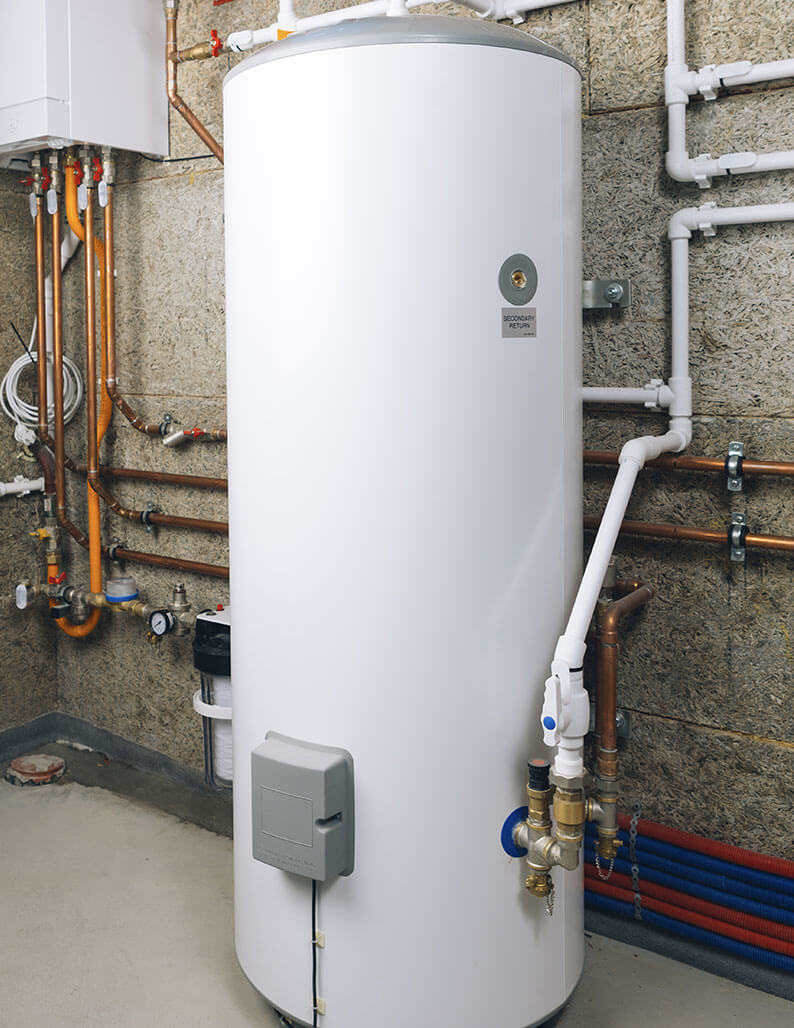
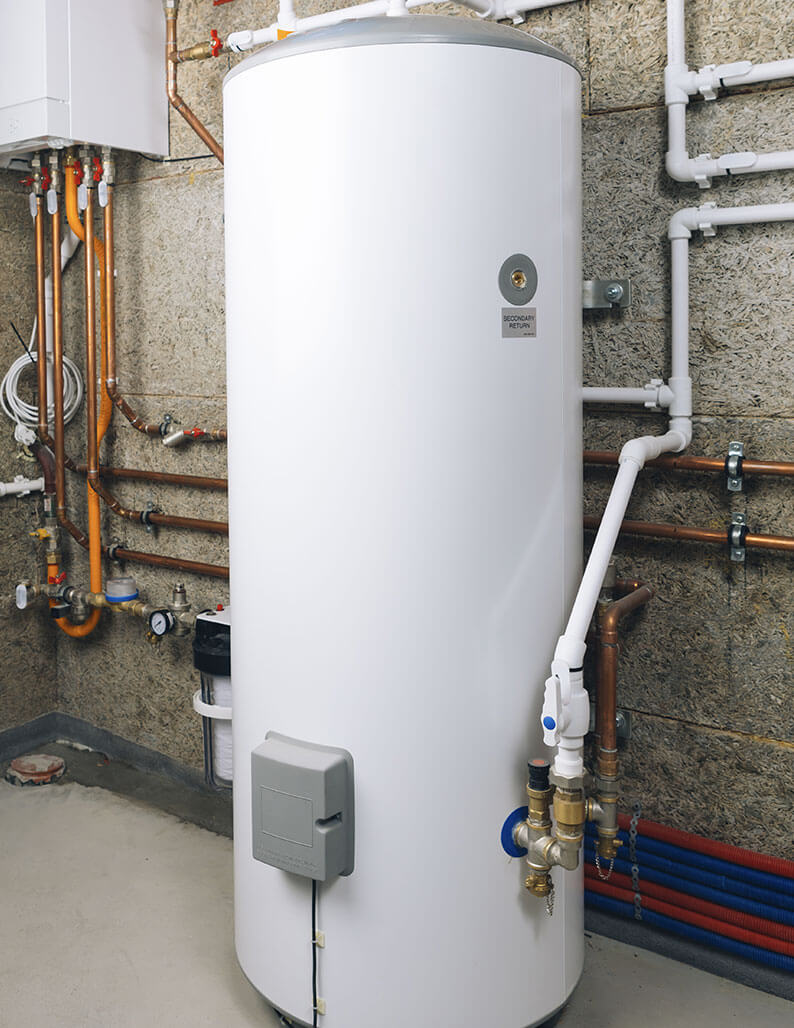
water heaterAre you in the market for a new water heater? When you are investing in a new water heater, there is a lot to consider about the size and functionality of your water heater. Weighing the decision carefully is important because it will impact how much you spend, how energy efficient your home is, and ultimately, your overall experience with your water heater. Electric water heaters offer several benefits over traditional gas water heaters. While there are several types of water heaters available, an electric water heater is a popular choice for many households because they offer a number of benefits over other types of water heaters. 

Benefits of Choosing an Electric Water Heater

  • Energy Efficiency: Electric water heaters are more energy-efficient than gas water heaters. Gas heaters have to be vented to get rid of harmful gases and the venting process means they operate less efficiently than electric water heaters. This means that they are more environmentally friendly and can help you save money on your utility bills.
  • Durability: Electric water heaters tend to last longer than gas water heaters because they have fewer moving parts and are less prone to corrosion. Because of this, electric water heaters last for many years with minimal maintenance.
  • Safety: Electric water heaters do not produce any harmful gases, unlike gas water heaters, making them far safer to use in enclosed spaces, such as basements or utility rooms.
  • Convenience: Electric water heaters are easy to install and require less space than gas water heaters. 

Electric water heaters offer many benefits over gas water heaters. When choosing an electric water heater for your home, consider its size, energy efficiency, cost, and installation requirements. If you need help determining which type of water heater is best for your home, consult an experienced plumber that can evaluate your needs and budget and help you find the best water heater for your home.

How to Determine the Ideal Water Heater Size for Your Home

water heater size

A home’s water heater is one of the most important appliances, providing hot water for many different essential household activities including bathing, laundry, and washing dishes. Having the right water heater size a critical because, if sized incorrectly, you could run out of hot water when you need it most. If you’ve ever lived or stayed in a home where the hot water runs out while you are right in the middle of a shower, you know just how frustrating it can be. And, if your water heater is too large, it will not run efficiently and may lead to increased utility costs and a diminished water heater lifespan. 

Factors to Consider When Picking a Water Heater

Often, when homeowners are debating between water heater sizes, they are tempted to size up and may oversize their water heater in an attempt to avoid running out of hot water. And, though the instinct is certainly understandable, an oversized water heater is not necessarily ideal. Complicating matters further when choosing an ideal size is that sizing and efficiency differ between water heaters depending on whether they are gas or electric and whether they are tankless or have tanks. 

Additionally, how many people live in your home and your overall average hot water usage will be important factors in determining size. Bob Vilahas a helpful chart that breaks down average hot water usage based on the number of occupants in a home:

You can estimate the necessary tank capacity (in gallons) based on the number of people in the house:

  • 1 or 2 people—23 to 36 gallons
  • 2 to 4 people—36 to 46 gallons
  • 3 to 5 people—46 to 56 gallons
  • 5 or more people—over 56 gallons (add 10 gallons per additional person)

But, as aforementioned, the number of occupants in your home is not the only consideration, average use, and lifestyle should also be factored in. If your home’s occupants take a lot of showers every day, or you do a ton of laundry or dishes, you may need more hot water than the average. When determining an ideal water heater size for your home, consult an experienced plumber who can help guide you toward an ideal size that allows your home to remain energy efficient without ever running out of hot water.  

Understanding the Slab Leak Detection & Repair Process

slab leaks

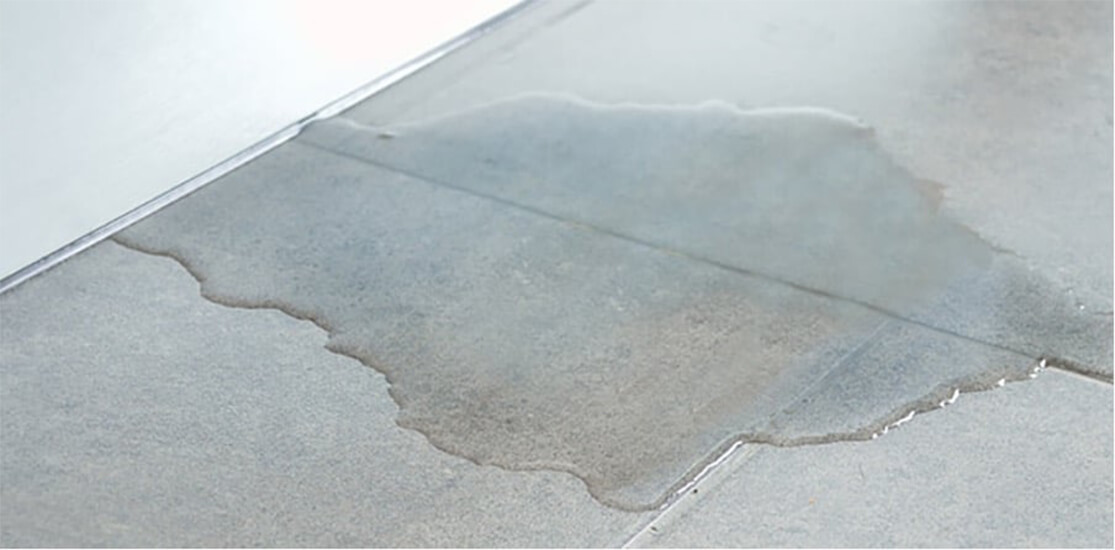
slab leak detectionSome plumbing leaks are easily detectable nuisance that involves a simple fix. But others, like slab leaks, are harder to detect and demand expert professional plumbing repair. Although slab leak detection can be tricky, there are some telltale signs that something may be wrong and needs to be investigated. If you notice a sudden increase in your water bill, signs of mold and mildew, discolored drywall, discolored flooring, foundation cracks, musty smells, the sound of water running, or a wet/spongy feeling in your carpeting, it could be the result of a slab leak. 

Detecting a slab leak can be tricky and an inexperienced plumber without adequate knowledge and sophisticated tools can wind up causing quite a bit of damage in the process of leak detection and repair. Digital water leak detection is a sophisticated modern technology that works by using an amplifier to hear sounds typically associated with a leak. This enables your plumber to more accurately pinpoint the location of leaks, minimizing digs and damage associated with detection and repair. 

Once the source of the leak has been detected, your plumber has two options for repair. One or both options may be covered by your insurance depending on your policy and the cause of the leak.

Slab Leak Repair Options:

  • Demo & Patch
    • One option is to demo the concrete at the source of the slab leak, patch the pipe, and repair the area. The trouble is that this option is not always a long-term solution as the pipe may develop more leaks and the damage caused to your flooring may necessitate flooring replacements and other cosmetic repairs. 
  • Reroute & Bypass Plumbing
    • With this option, your plumber will reroute a new line through your walls, attic, or open ceilings, depending on your home and preferences. This option bypasses the old pipe and only results in minor drywall repairs. 

Electric Water Heaters: Tank vs. Tankless

Electric Water Heater

Electric Water HeatersYour home’s water heater is an essential appliance that is used every day. Without an effective and efficient water heater, you wouldn’t have hot water for things like bathing, washing dishes, doing laundry, and other daily household functions. When electric water heaters get old or in need of repair or replacement, homeowners often begin considering whether they should invest in a tank or tankless electric water heater. There are excellent options in both categories but the best option for your home will depend on a variety of factors.

What You Need to Know: Tank Electric Water Heaters

Storage tank water heaters are a more traditional water heater option that homeowners tend to be more familiar with. They come in varying capacities but essentially they store a number of gallons of hot water (typically between 20-60 gallons). Electric water heaters retain the heated water in the tank so that it is ready to be used on demand as needed. Because they have a limited capacity, they can run out of hot water if the demand at a given time is more than the capacity of the tank. Storage tank electric water heaters tend to be less expensive up-front. But, if your capacity is wrong for your household needs you may run out of hot water and have to wait for the tank to refill and heat the water. Tank water heaters also take up more space in your garage or other storage location and tend to be less energy-efficient than tankless water heaters. 

What You Need to Know: Tankless Electric Water Heaters

Tankless water heaters, sometimes called ‘on-demand’ water heaters, heat water at the moment that it is being used. Because tankless water heaters only heat water when you need it, they are more energy efficient than storage tank water heaters. Also, because they do not need to store heated water, tankless water heaters are much smaller and therefore take up significantly less space. Because they are more energy efficient and have a far lower risk of things like leaking, they have a longer lifespan than tank water heaters. But, if the initial purchase price is a concern, tankless water heaters do tend to be more expensive up-front. And, because they heat water on demand, there may be a slight lag time waiting for water to get hot. To discuss which option is best for your home, contact an experienced water heater installer.

Don’t Ignore These Common Signs of a Plumbing Leak

plumbing leak

Every homeowner dreads finding a plumbing leak but many leaks go undetected for longer than they should, causing dangerous and costly damage. Some plumbing leaks are very obvious but others are more subtle. Often, homeowners may not notice tell-tale signs of a leak until it is too late and the damage is significant. Professional plumbers not only know the signs to look for, but they also have sophisticated professional tools that can help detect hard-to-find plumbing leaks such as leaks under your home’s slab.

Common Signs You Have a Plumbing Leak

High Water Bills

A higher-than-normal water bill is one of the most common signs you have an undetected leak. If you see a particularly high water bill or start to see that your water bills are consistently increasing, you may have a leak inside your walls or under your concrete slab.

Other common symptoms of a plumbing leak include:

  • signs of mold and mildew (small and/or visual)
  • hearing the sound of running water, discolored drywall and/or flooring
  • wet/spongy feeling carpet
  • foundation cracks.

When you notice any of these signs, it is important to find the source and repair it as quickly as possible. 

Slab Leak Repair Options

High-quality professional plumbers like Second Opinion Plumbing have special leak detection tools including line locators and digital sound locators. If something like a slab leak is detected, one repair option is demoing a portion of the concrete and patching the pipe, however, this is not an optimal repair because more leaks could develop over time. For an optimal, more long-lasting repair, rerouting a plumbing line is often recommended because it will cause minimal damage to your drywall and your homeowner’s insurance may even cover the costs.

Why Call a Professional Plumber?

If you are concerned you have a plumbing leak, don’t wait! Water damage rapidly grows and can cause costly and dangerous damage – speak to a professional plumber to learn more about leak detection and repair options for your home! Call Second Opinion today!

6 Tips to Hiring Good Plumbers for Your House

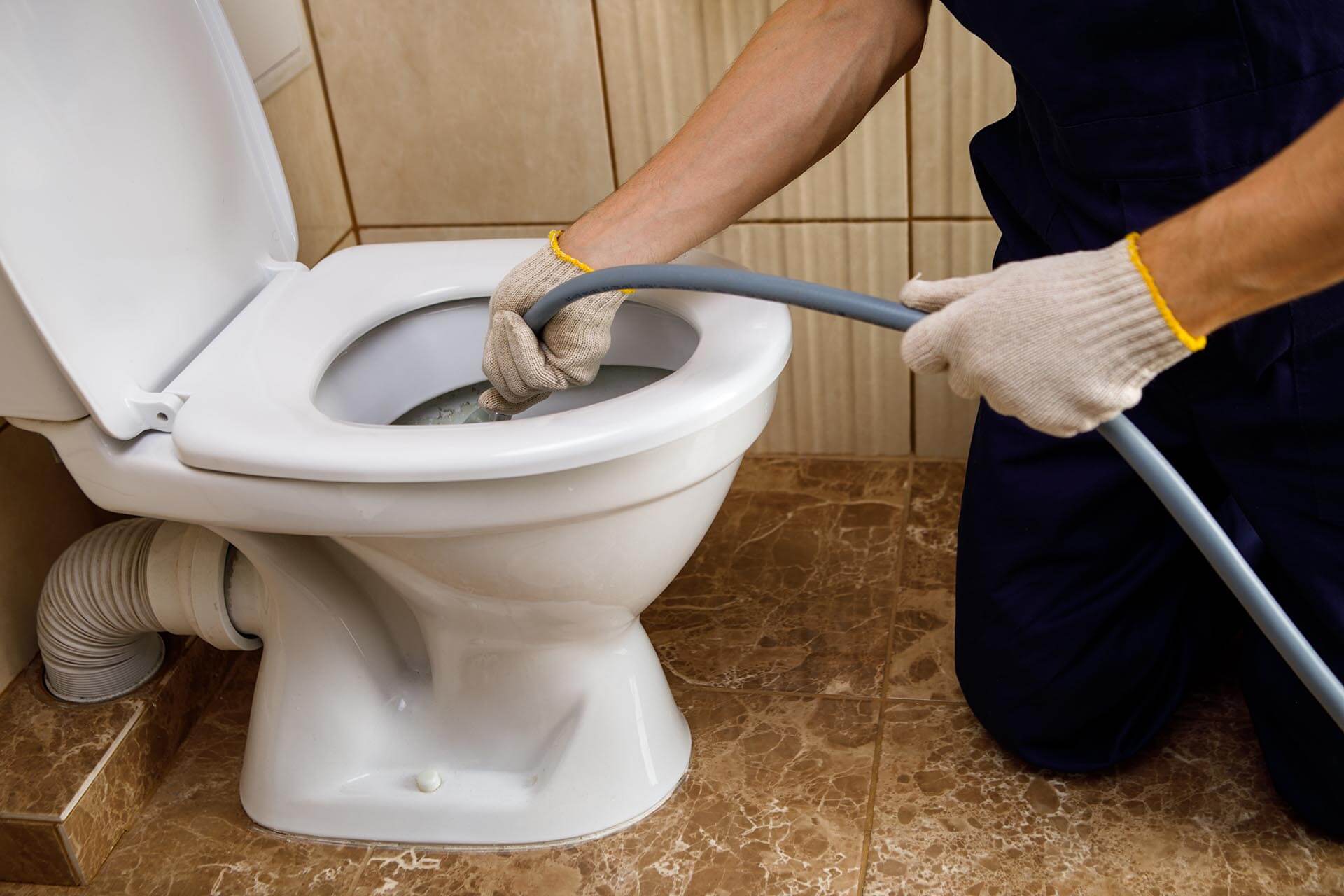
hydrojetting toilet

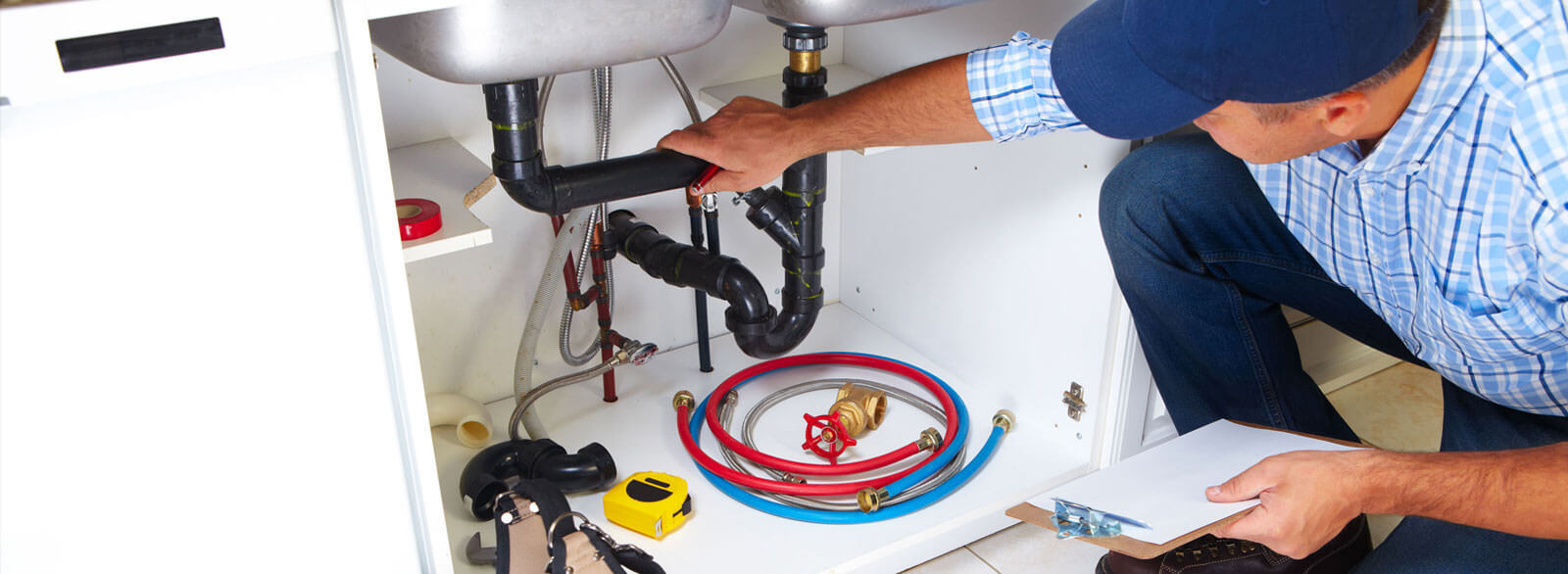
Plumbing systems are vital for every household. It distributes fresh water throughout the premises and removes wastewater. Therefore, any problems in the plumbing system will lead to disastrous consequences. In such situations, people need to hire experienced plumbers instead of performing DIY repairs. These professionals will resolve plumbing issues as quickly as possible to avoid any risks of expensive damages. However, finding good plumbers is not an easy task due to an overwhelming number of options. Ideally, homeowners can consider a few factors to choose a reliable plumber for their needs.

What are the benefits of hiring professional plumbers? 

People should always opt for plumbers when they are experiencing trouble. Most DIY repairs often result in disastrous outcomes. People end up spending more money on the repairs than they can afford. Furthermore, some jobs should be handled by professionals to provide the best possible outcomes.

Equipment 

Plumbers are equipped with the latest tools and materials. They know how to use the equipment and finish the job with minimum effort. These top-notch tools make the repairs more efficient. They also have the skills to resolve complex problems with ease. This is the most important reason to hire plumbers.

Advice 

Most homeowners are not properly knowledgeable in piping networks. Professional plumbers undergo training to specialize in these systems. This makes them the better candidate for these repairs. Intensive training is essential to fix the plumbing issue with precision and even provide suggestions for countermeasures.

Experience 

In addition to theoretical knowledge, experience is another reason to hire plumbers. The years of expertise and successful track record can resolve even the toughest of problems. This makes choosing professionals the best option to save money. They even avoid spending much money in the long run.

Professionalism 

Reliable plumbers follow all ethical codes towards solving the problem. They have a high completion rate for each task. This service gives peace of mind for homeowners, as it helps to protect their valuable investment. Therefore, people can focus on other commitments than worrying about plumbing repairs.

Surety 

All reputed plumbing services offer guarantees for their works. This avoids the need to spend on any repairs in the future. Plumbers solve the issue without charging any extra money for a given period of time. The guarantee also ensures that the repairs will last for many years without any issues.

What are the tips for hiring plumbers? 

Since hiring a plumber is an important decision, one should focus on getting the best value for the money. Failure to hire a highly experienced professional may result in costly repairs or problems in the future. People should consider the following tips to hire a highly qualified plumber for their home.

  1. License 

Every state requires a plumber to get the license. Working with unlicensed professionals is considered an offense in some states. Moreover, people could end up with shady plumbers who are not qualified or experienced. Hence, people should check the licensure of the plumber.

  1. Insurance 

All plumbers should be insured in every situation. Insurance will protect the homeowner from any expensive bills in case of injuries or accidents. People can ask about insurance details from a prospective plumber. If they fail to produce any details or hesitate to respond, it is essential to steer clear of that option.

  1. Pricing 

Plumbers will evaluate the piping system and provide estimates for homeowners. People should get at least three estimates from different providers. It is essential to compare the estimates. Make sure to opt for the reasonably priced quote to avoid spending excessively on repairs.

  1. Warranty 

Homeowners should avoid working with plumbers who fail to provide warranties. Reputed plumbers should provide guarantees for their works and the parts they restore. Many warranties provide coverage for more than a year. This is vital to avoid any expensive bills in the later stages of the component lifetime.

  1. References 

Experienced plumbers should be able to provide lots of references. Homeowners can contact these references and ask about the quality of their repairs. References are also essential to know about their communication demeanor and response time. If an agency fails to provide references, people should consider other options.

  1. Length of time 

Homeowners should consider how long the plumber has been in business. A larger company will have many years of experience. They employ any trained plumbers for the job. Businesses reputed for several years will have a proven record of quality work. These plumbers offer the best value for the money.

Things to Know Before Starting a Plumbing Project

The home’s plumbing is essential to maintain living standards with the ideal level of comfort. When the distribution of water is interrupted, it will lead to many disastrous problems that may stay for a long time. People won’t be able to shower or wash their clothes when there is no running water. Especially in reconstruction, plumbing systems are responsible for many activities. A well-installed plumbing system will provide water of the precise temperature and pressure with just the press of a button. As a homeowner, one should have a basic understanding of these plumbing systems.

What are the different components of a plumbing system?

Each household plumbing system will consist of different components. Each of them serves a definite functionality to supply water to the household. Any problems in these components will result in a costly breakdown.

Pipes 

The pipes form the skeleton system of household plumbing. Pipes transport water from the mainline throughout the home. They may also connect individual parts to the main fittings. Plumbers will change the angles of each fitting to ensure the best use of the space. In smaller houses, maneuvering the fittings helps to keep the project within the budget. Fittings also enable plumbers to change the pipes to fit the walls, ceilings, and floors. Every plumbing system will consist of pipes and fittings. In some houses, they have two sets for hot and cold-water supply. These pipes are made using copper, brass, or PVC materials.

Fixtures 

As pipes distribute water throughout the home, fixtures enable people to access water with ease. It includes kitchen sinks, showers, water heaters, dishwashers, or bathroom sinks. These fixtures are available in different varieties. People can choose fixtures for their homes based on the price or material type. In addition to buying factors, there is also a need to consider handle type and placement. Some fixtures will provide water with the turn of the handle. Others have a button that needs to be pressed for water. Based on convenience, homeowners can choose between any of these systems.

Drainage 

Since water travels throughout the house, it needs a place to go outside. This is why the plumber installs a drainage system. Without proper drainage in place, the wastewater would flood the house within minutes. Each fixture needs to have its own drain and each of them is connected to the sewer line. Otherwise, the problem would be messy and smelly to deal with. There are other complex systems in place. Based on the size of the property, the size of drainage lines will also vary. Plumbers will provide suggestions to homeowners based on their needs and ensure the optimal flow of water.

What are things to consider about plumbing systems?

Bathroom renovations 

Upgrading or remodeling a bathroom is an extensive task. People should find out whether the existing systems can handle changes or additions. It could become a problem when they fail to apply for permits. Plumbers will help to avoid such issues by addressing zonal regulations. Hot water is essential for every home and the existing heater application should handle the capacity of new plumbing fixtures. Moreover, homeowners should consider water pressure before starting a renovation project. Plumbers will perform the necessary calculations and decide the optimal supply of hot water required.

Kitchen remodeling 

The kitchen space also needs an adequate supply of water as well. From dishwashers to water dispensers, plumbing systems are crucial for a fully functional kitchen. When redesigning, homeowners may consider relocating the dishwasher or sink based on their convenience. For renovation projects, people should check for wear and tear in their pipes and replace them properly. Inspecting the conditions of the fixture connections is also essential to avoid any problems in the future. Values and other plumbing components further require replacement. New appliances may need a new connection as well. Homeowners must consider this before buying a new dishwasher or refrigerator.

Laundry room 

Lastly, most homeowners overlook the significance of laundry rooms in plumbing projects. A well laid-out laundry room avoids any unwanted hassles. If homeowners are converting old rooms into a new laundry room, they should hire experienced plumbers for the space. In addition to plumbing necessities, people must address the drainage lines that are laid out in the previous space. Fixing them requires an experienced professional plumber. This step is vital to avoid any costly repairs or changes. Moreover, their assistance will ensure successful project completion.

6 Important Tips for Handling a Plumbing Emergency

slab leak

Almost every individual would have experienced a plumbing emergency at some point in their life. It is an overwhelming task to handle these problems. Emergencies will even lead to disastrous outcomes when not handled properly. Hence, residential plumbing services are the best option to protect against home damage and manage the situation properly. However, homeowners need knowledge about the best measures to handle plumbing emergencies to mitigate the damage to their houses. These tips will safeguard their investments for many years.

What are the common plumbing emergencies? 

Here are different types of accidents and mishaps that are categorized as plumbing emergencies. Some of them are quite common around urban households, so understanding them could prove to be a life-saver.

  • Water temperature 

Everyone loves a warm shower, but they may not prefer getting burned. When the water coming from the sink or showerhead is steaming hot, then people got themselves a water heater issue. The obvious solution in this situation is to turn off the heater and call a technician to assess the situation.

  • Dripping faucets 

Leaks from faucets are quite daunting. Even a small drip could turn into a full-blown leak when not repaired promptly. People can use wrenches to break valves and stick them into a positive. When this is not the case, they should turn off the water. Once turned off, assess the faucet for any gaps or damages in the inner workings. As always, make sure to call an emergency plumber when the problem is severe.

  • Frozen pipes 

It is quite common for pipes to get frozen during winter climates. The cold-water damages in plumbing networks can lead to expensive repairs and replacements. One way of avoiding frozen pipes is using a thermostat to control the temperature. An insulation coating around the exterior pipe network will also help to maintain temperature values.

  • Disposals 

Blockages in garbage disposals are an emergency situation that will bring many harms to a house. People can easily reset their disposal when they identify trouble by pressing the large red button located at its base. Then, use an Allen Wrench to move the disposal blades and remove any elements that are causing the blockage.

What are the tips to handle plumbing emergencies? 

Some of the common plumbing emergencies are the result of long-term abuse or improper DIY repairs. Handling such situations requires patience and a thorough understanding of the environment.

Tips 1 : First, people should learn the type of system they are dealing with and minimize the damage with necessary tools. If they know the location of the main water value, homeowners can shut it down to prevent any further leaks. Knowledge of the systems will keep their home protected from extensive damages.

Tips 2 : When repairs get complex, it is essential to call a professional plumber. In most cases, improper DIY repairs will end up costing thousands in the long run. Their experience and knowledge are vital to diagnose the problem and have it fixed in the right manner without any delay.

Tips 3 : One effective way of preventing plumbing emergencies is avoiding dumping any garbage on the drains. The plumbing trains are designed to handle only specific types of wastes. So, they may struggle against household wastes. Even hair and small bottle caps could block the entire drain system. To avoid this, make sure not to dump any wastes.

Tips 4 : Plumbing components wear out over time. The metal parts are susceptible to rust and corrosion that could cause significant damage to a home. If people find any old components in their house, they should replace them as quickly as possible to prevent the risk of flooding.

Tips 5 : The market is filled with many leak detection devices that will alarm the owners. These are designed to alert the residents of a specific types of problems in the pipe network. Similarly, people can also invest in drain cleaners that help to remove clogs in the pipes. These devices come in handy to safeguard from plumbing emergencies.

Tips 6 : People should avoid using chemicals for all types of plumbing problems. Some of the chemicals will only exacerbate the problem because they tend to expand in certain conditions. Hence, use only the recommended type of cleaning chemical in the recommended level to remove blocks as soon as possible.

Summing up 

People can take a variety of measures to ensure safety in their homes. Preventing plumbing emergencies is a wise choice that will save time and money. Moreover, it provides peace of mind knowing that all systems are working properly.